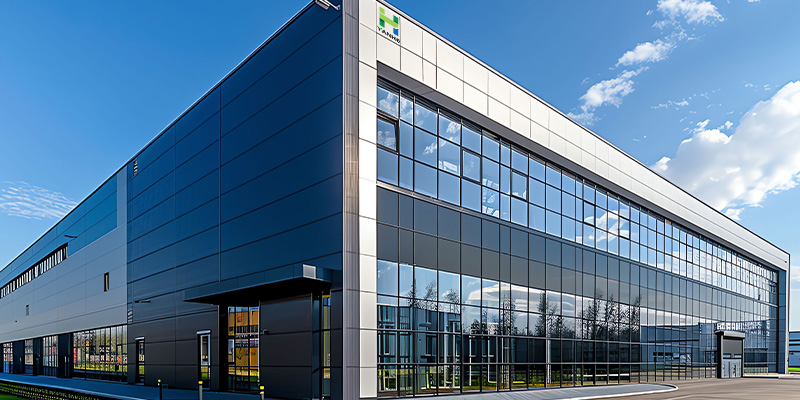
Founded in 2012, Anhui Yanhe New Material Co., Ltd. is located on a 17-acre site in Guangde Economic Development Zone West. The Company mainly develops and manufactures specialty labeling materials, functional tapes for the electronics industry, adhesive products for various functional film materials, and is able to fully meet the technical requirements of its customers' products by applying corresponding surface coatings based on the functional requirements of the customers' different surfaces.
Laser engraving film is a versatile material used to create precise markings and decorative designs on a wide range of surfaces. Its high resolution, ease of use, and adaptability make it ideal for applications in electronics, jewelry, and decorative industries. By selecting the right type of laser engraving film, manufacturers and designers can achieve intricate patterns, high-contrast markings, and durable results.
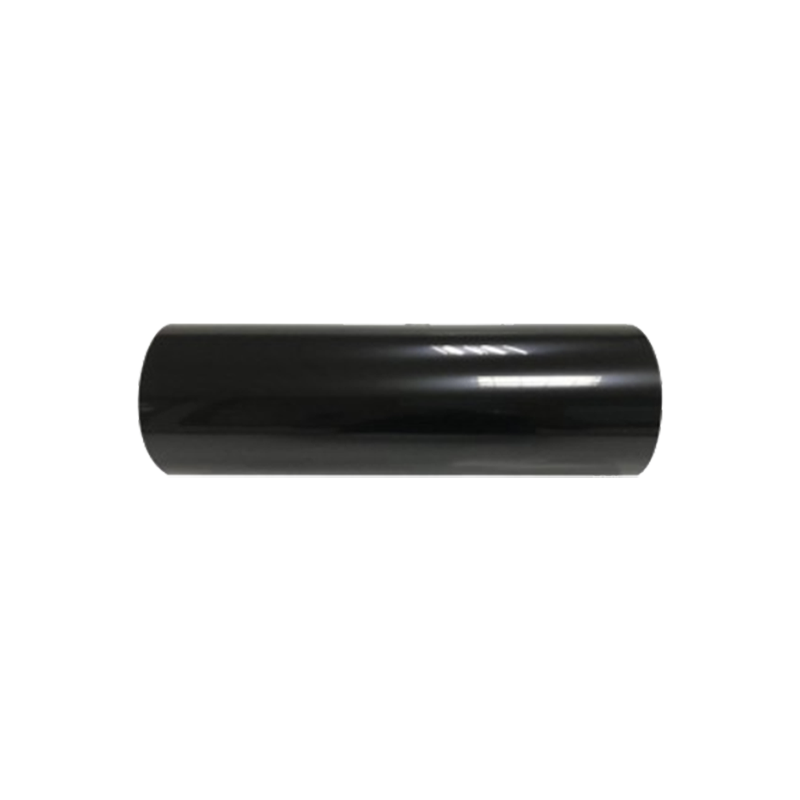
Materials and Properties of Laser Engraving Film
Understanding the materials and properties of laser engraving film is essential to achieve optimal results. Most films are designed for compatibility with CO2 and fiber laser systems and offer various thicknesses, coatings, and colors.
High Resolution: Ensures precise lines and fine detail for electronics and jewelry applications.
Thermal Resistance: Can withstand the heat generated by laser engraving without deformation.
Adhesive Backing: Provides easy placement and prevents shifting during engraving.
Durable Coatings: Protects the surface from scratches and enhances the contrast of engraved patterns.
Variety of Colors and Finishes: Offers black, white, metallic, and transparent options for creative and functional applications.
Applications in Electronics
In electronics, laser engraving film is widely used for marking components, panels, and labels. The precision and high contrast achievable with laser engraving help improve readability and compliance with industry standards.
Component Marking: Engraving serial numbers, logos, and identification codes directly on circuit boards or housings.
Panel Labels: Durable, high-contrast labels for switches, buttons, and control panels.
Traceability: Ensures permanent markings for regulatory compliance and product tracking.
Minimal Damage: The laser process avoids contact, preventing wear and contamination of sensitive electronic surfaces.
Applications in Jewelry
Laser engraving film enables jewelers to create intricate designs, logos, and inscriptions on metals, precious stones, and accessories without causing damage to delicate surfaces.
Custom Designs: Engrave personalized names, patterns, and logos on rings, bracelets, and pendants.
High Detail: Achieve intricate patterns on small surfaces with consistent results.
Non-Contact Process: Protects the integrity of precious metals and stones during engraving.
Consistency and Repeatability: Ideal for batch production of jewelry pieces requiring identical markings.
Applications in Decorative Industries
Beyond electronics and jewelry, laser engraving film is widely used in decorative applications for furniture, signage, awards, and promotional products.
Decorative Panels: Create patterns on wood, acrylic, glass, and metal surfaces for interior design.
Custom Awards and Plaques: Produce durable, high-contrast engravings for corporate gifts and recognition items.
Signage and Branding: Add logos and designs to promotional products and retail displays with precision.
Textured and Layered Effects: Combine engraving with colored or metallic films to achieve unique visual effects.
Selecting the Right Laser Engraving Film
Choosing the right film involves evaluating material properties, compatibility with your laser system, and the intended application. Consider factors such as thickness, adhesion, contrast, and substrate type.
Film Thickness: Thicker films offer more durability, while thinner films allow fine detail engraving.
Adhesion Type: Select films with appropriate adhesive strength for the substrate to prevent peeling or misalignment.
Laser Compatibility: Ensure the film is suitable for CO2, fiber, or other laser types used in your setup.
Surface Finish and Color: Match the film finish and color to the design requirements for optimal visibility and contrast.
Durability Requirements: Consider environmental exposure such as heat, moisture, or abrasion that may affect the engraved surface.
Maintenance and Storage of Laser Engraving Films
Proper handling and storage of laser engraving films ensure consistent performance and prevent damage before use.
Temperature Control: Store films in a cool, dry environment to prevent warping or adhesive degradation.
Dust-Free Storage: Protect films from dust and debris that can interfere with engraving quality.
Handling: Avoid touching the film surface directly to prevent fingerprints and contamination.
Inventory Management: Use first-in, first-out (FIFO) practices to maintain film quality over time.
Conclusion
Laser engraving films provide precision, versatility, and durability for electronics, jewelry, and decorative applications. By selecting the appropriate film type and maintaining proper storage and handling practices, manufacturers and designers can achieve high-quality, consistent results. These films are an essential tool for creating intricate, durable, and visually appealing designs across multiple industries.
Self-adhesive labels consist of three main layers: the face stock, the adhesive, and the liner. Each component serves a distinct purpose and varies depending on the intended use of the label...
1. Introduction
1.1 Introduction to Thermal Paper and Printer PaperThermal paper and printer paper are both common types of paper used for printing, but they operate on fundamentally differe...
Understanding PVC Adhesive Film
PVC Adhesive Film, short for Polyvinyl Chloride Adhesive Film, is a versatile and widely adopted material that combines the robust mechanical properties of PV...