
 English
 русский
 Español
 عربى
عربى




Industry Knowledge
Laser Wavelength Determines What the Film Can Actually Do
Not every laser interacts with Laser Engraving Film the same way, and wavelength is the variable that decides the outcome. CO2 lasers, operating in the far-infrared range, are the workhorse choice for cutting and engraving most plastic films and are widely used for membrane switch overlays and technical film converting because they interact readily with organic polymer surfaces.
Shorter-wavelength UV lasers, typically around 355nm, and green lasers around 532nm, produce a different result on the same base material — finer detail with less thermal spread into the surrounding film. Because these shorter wavelengths transfer less heat into material outside the immediate mark area, they're the better choice when a design calls for small text, fine barcodes, or dense graphics that would blur or scorch under a higher-heat CO2 pass. Choosing the wrong wavelength for the detail level required is one of the more common reasons a first production run doesn't match the design proof.
Backlit Icon Windows Can Be Etched Rather Than Assembled
Membrane switch and control panel designers commonly need certain icons or zones to glow when an LED sits behind them, and the traditional approach involves separate light-diffusing components layered into the assembly. Laser engraving offers a more direct alternative: a clear or translucent film can be micro-textured with the laser at precisely the icon location, scattering LED light evenly across that zone without adding a physical layer to the stack-up.
This etched-texture approach reduces both part count and assembly steps compared to laminating a separate diffusion film, and it allows icon-specific light zones to be positioned with the same precision as printed graphics — useful when a design has multiple independently lit icons that would otherwise each need their own diffuser cutout.
Polycarbonate and Polyester Engrave Differently Under the Same Laser
The two most common base substrates for laser-engravable overlay film — polycarbonate and polyester — respond to the same laser settings in noticeably different ways, which is why a specification tuned for one doesn't transfer cleanly to the other.
| Property | Polycarbonate | Polyester (PET) |
|---|---|---|
| Cost | Lower | Higher |
| Chemical and heat resistance | Moderate | Superior |
| Typical thickness range | 0.005" – 0.030" | 0.001" – 0.010" |
| Best suited for | Cost-sensitive, moderate-use overlays | High-use, harsh-environment applications |
For equipment that will see frequent handling, exposure to cleaning chemicals, or wide temperature swings, the higher cost of a polyester-based laser engraving film is usually justified by service life; polycarbonate remains a strong choice where budget and moderate-use conditions align better with its properties.
Foamed Marks and Ablated Marks Aren't the Same Effect
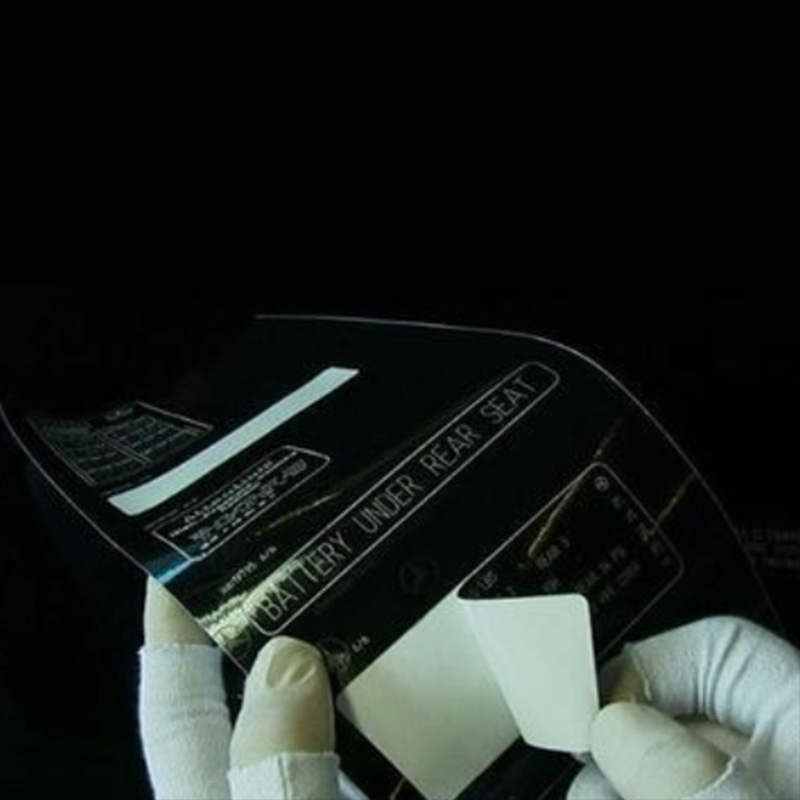
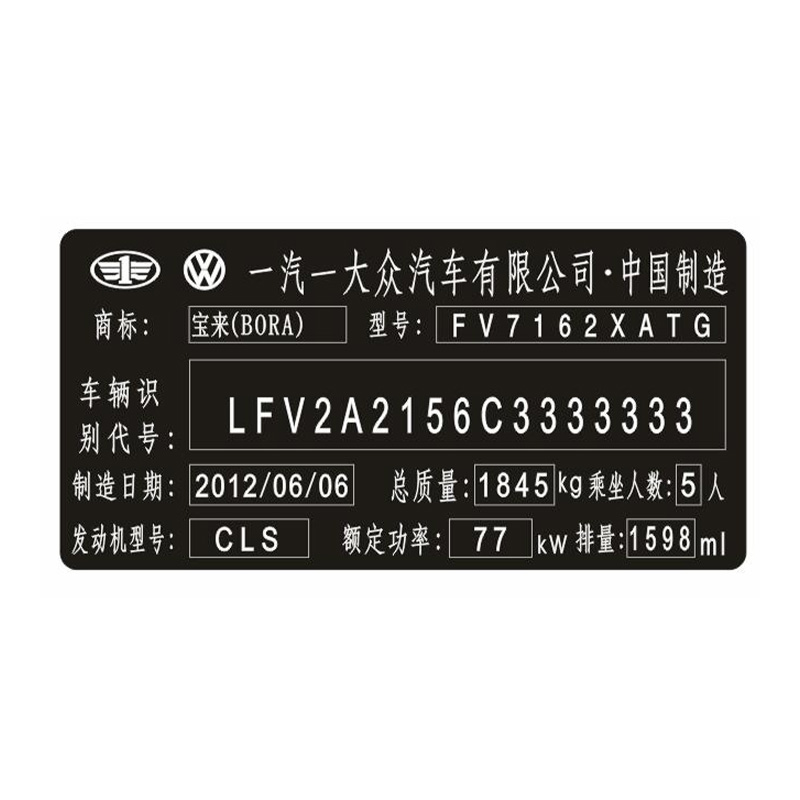
Two design outcomes get lumped together as "laser marking" even though the underlying mechanism differs. Ablation removes a top layer to expose contrasting color or material beneath, producing a flat, flush mark. Foaming, by contrast, heats certain plastics enough to release trapped gas, causing the material to bubble and reform slightly raised above the surrounding surface — a subtly tactile, lighter-colored mark rather than a flat contrast mark.
The choice between these effects isn't purely cosmetic. A raised foamed mark can provide a faint tactile cue useful on control panels operated without looking down at them, while a flush ablated mark keeps a completely smooth surface preferred for wipeable or sanitized equipment interfaces. Specifying which effect a design needs — rather than leaving it to whatever the laser defaults to — avoids a mismatch between the panel's intended feel and what gets produced.
Sealed-Edge Cutting Avoids a Common Multilayer Failure Point
When laser engraving film is also laser-cut to its final shape, the same heat that ablates the surface layer simultaneously fuses the cut edge closed. For multilayer film constructions — where separate layers are laminated together with adhesive — this sealed edge matters more than it might appear. Mechanical die-cutting can leave a layer boundary exposed at the cut line, giving moisture or solvents an entry point that leads to gradual edge delamination over months of service.
Why this matters for washdown and outdoor applications
Equipment interfaces subject to regular washdown, high humidity, or outdoor exposure benefit directly from laser-sealed edges, since there's no open layer boundary for moisture to migrate into. This is one reason laser cutting is frequently specified alongside laser engraving for the same part, even when a mechanical cutting process would be faster or cheaper.
Coating and Layer Structure Are Built Around Each Customer's Laser Equipment
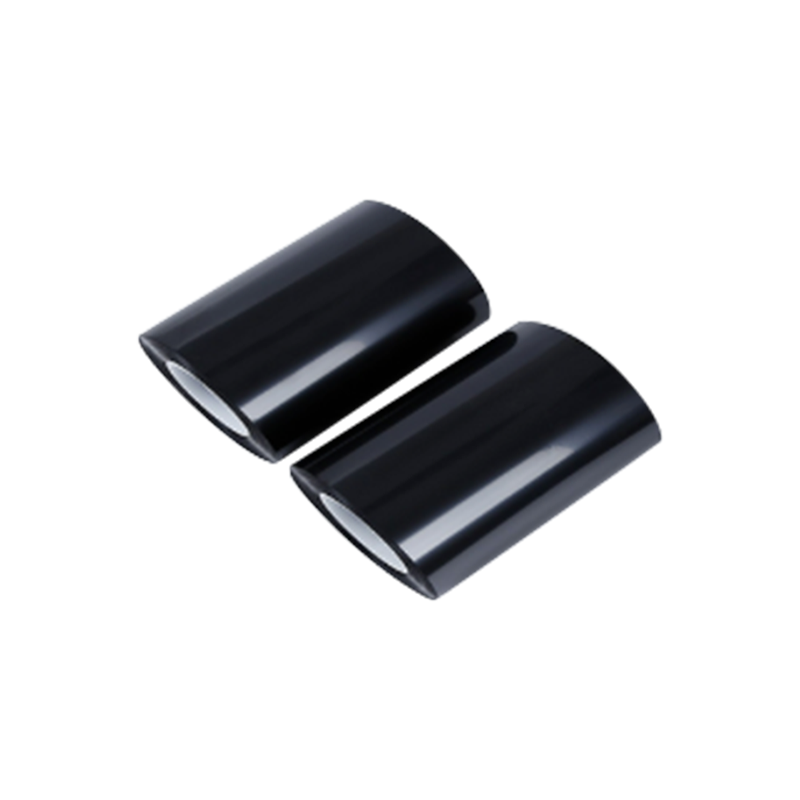
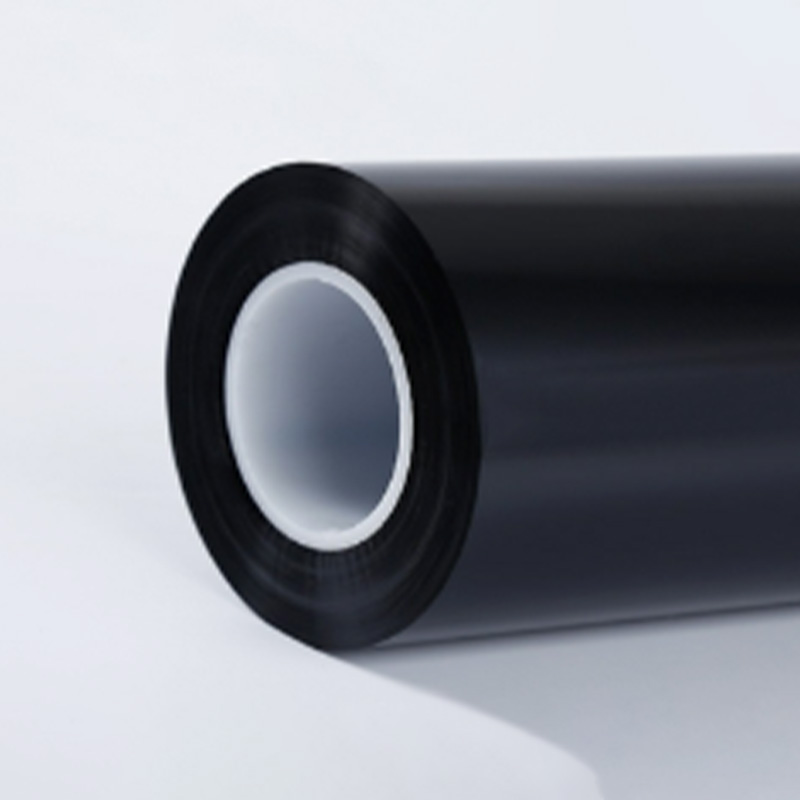
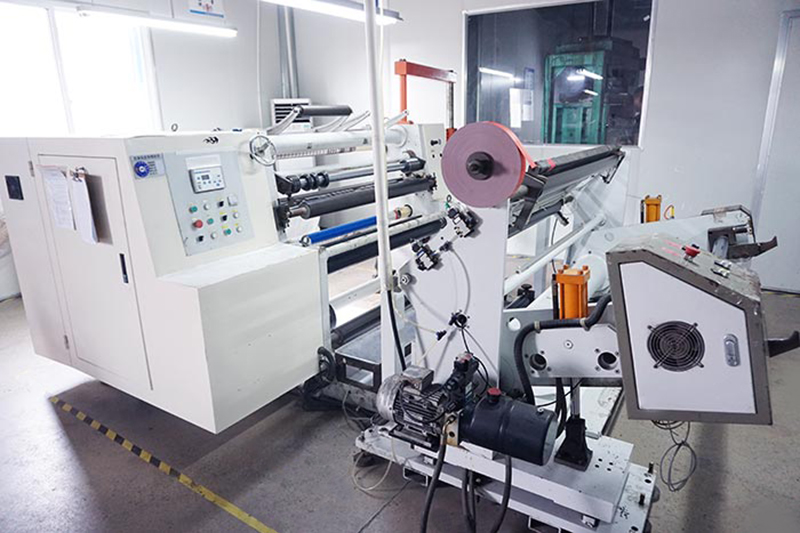
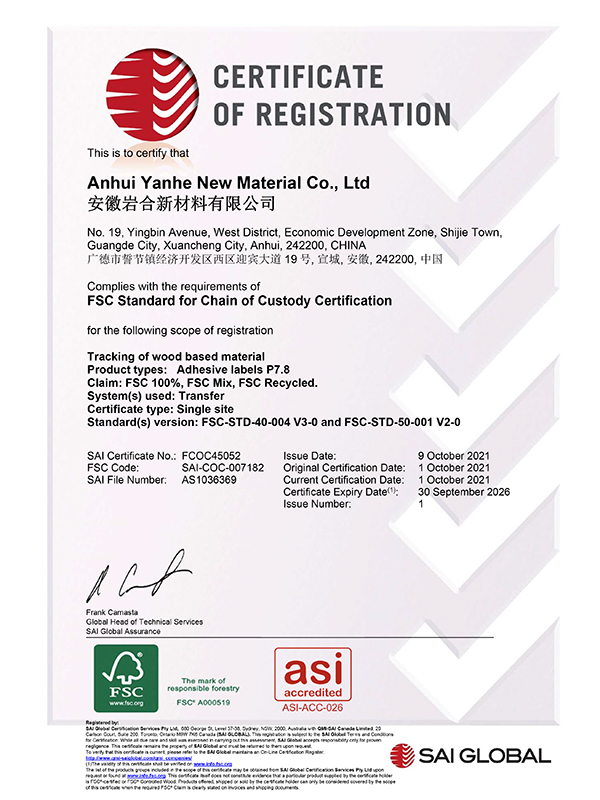
Anhui Yanhe New Material Co., Ltd., founded in 2012 and operating from a 17-acre site in Guangde Economic Development Zone West, develops Laser Engraving Film as part of its broader specialty labeling and functional tape manufacturing for the electronics industry. Because laser marking results depend heavily on how a film's coating and layer structure interact with a specific laser type and wavelength, the company applies corresponding surface coatings based on each customer's functional requirements rather than offering one universal construction across every application.
For customers requiring Custom Laser Engraving Film, that typically means adjusting top-layer thickness and base color combinations for the intended contrast effect, tuning substrate choice between polycarbonate and polyester based on the end-use environment, and validating adhesive systems for the panel or enclosure surface the film will be applied to. With ongoing collaboration with universities and research institutions on new material development, the company is able to adjust film construction for laser systems and applications that fall outside a standard catalog specification rather than requiring customers to work around a fixed product line.
