
 English
 русский
 Español
 عربى
عربى



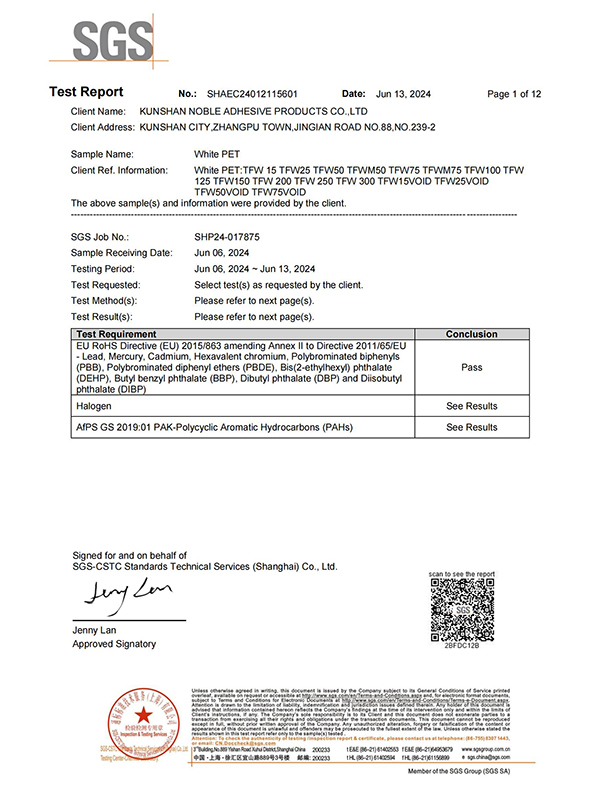
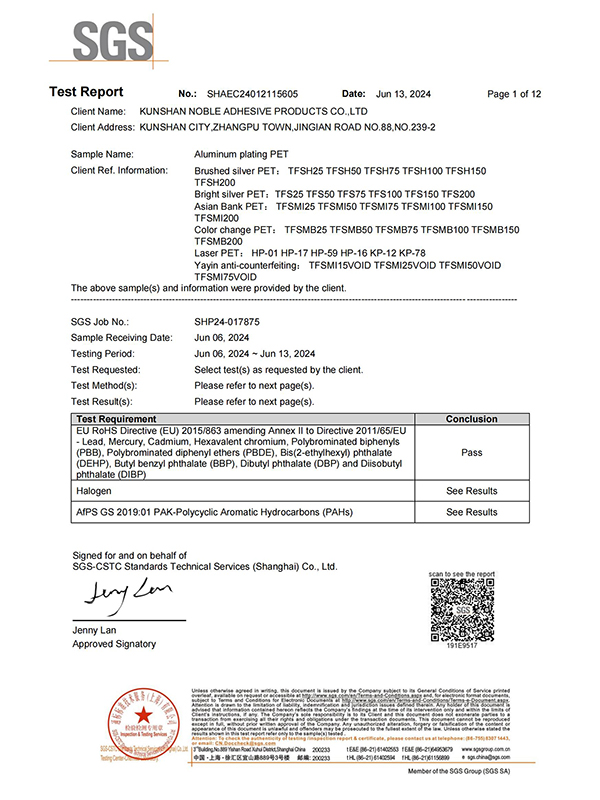
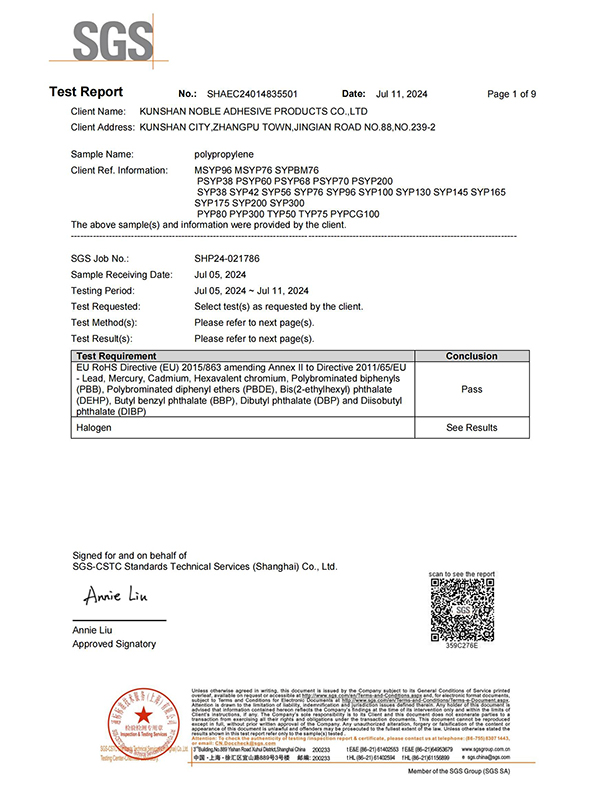
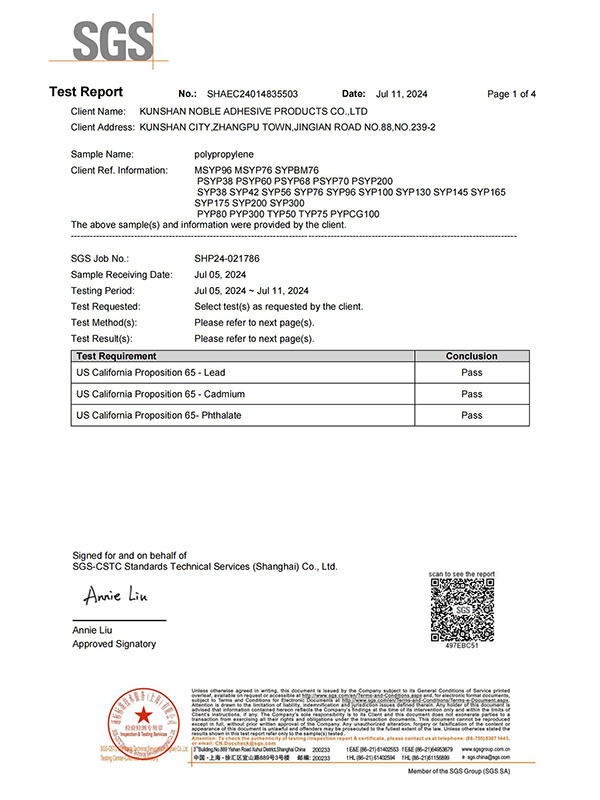
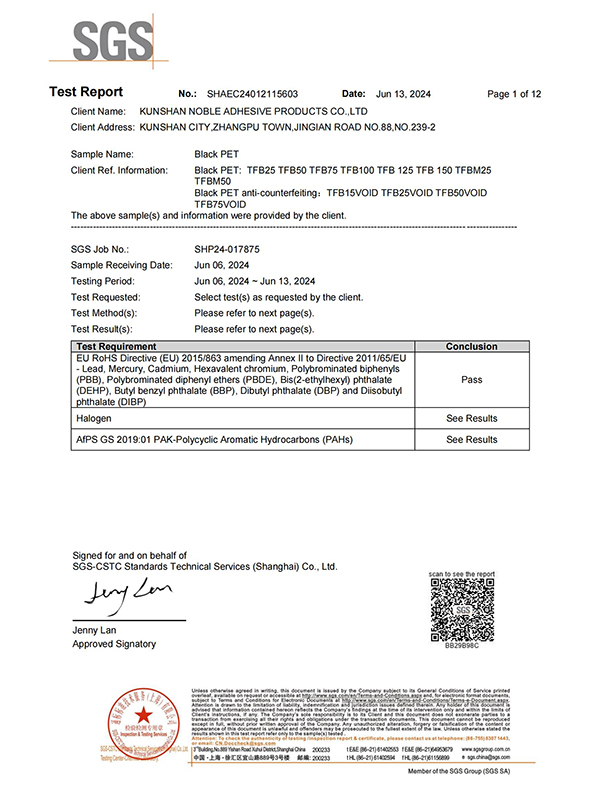
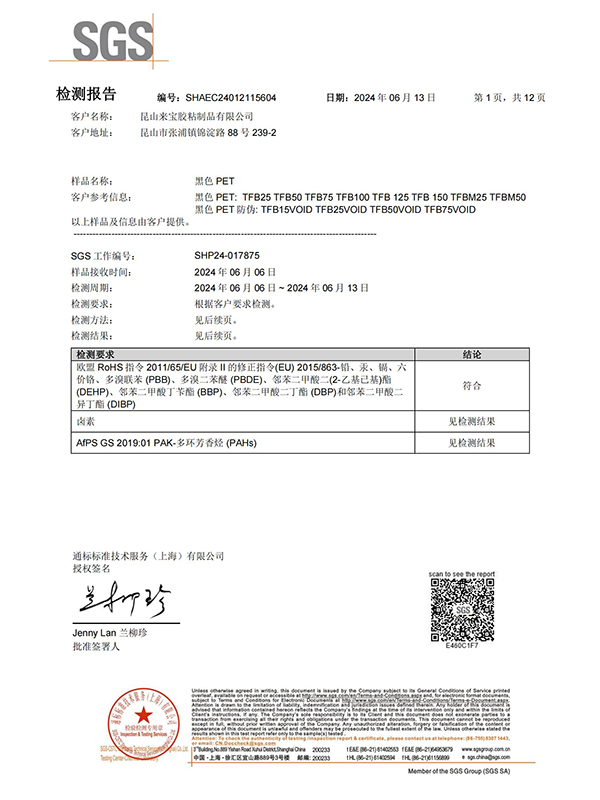

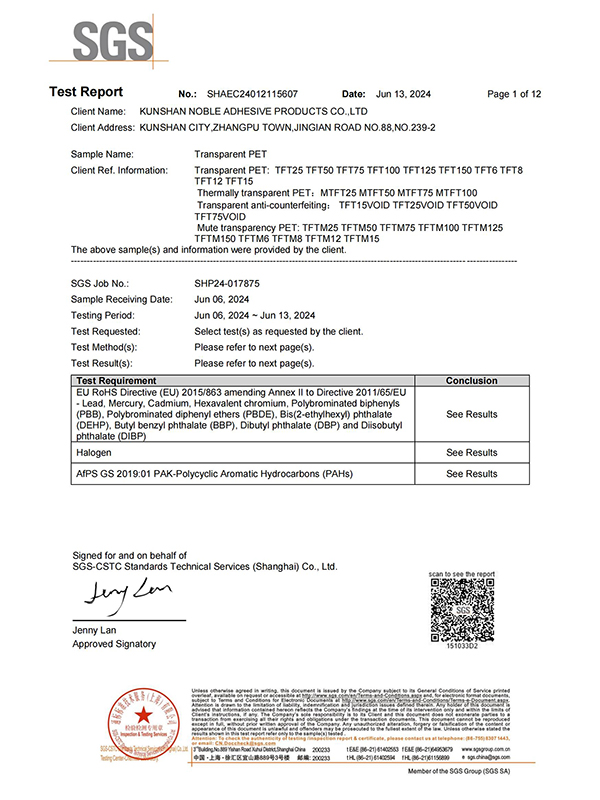
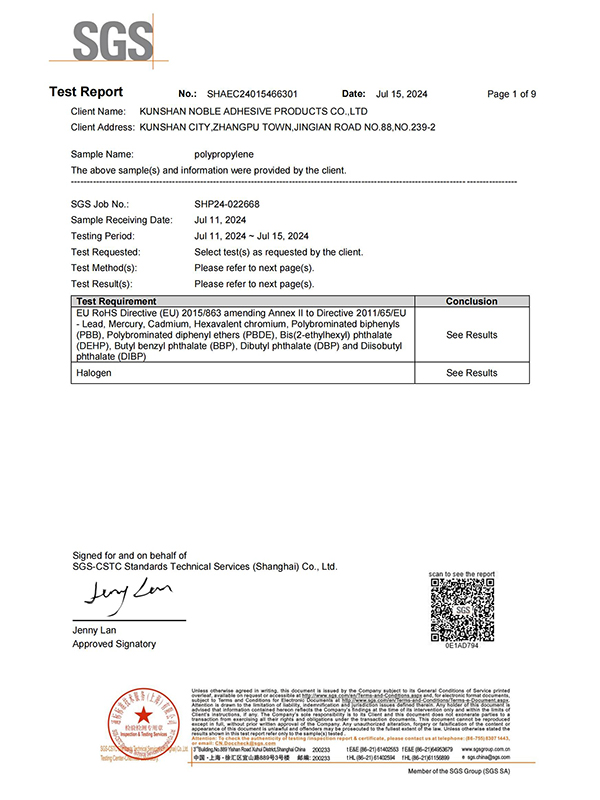
Custom Surface Coating Technologies and Material Integration
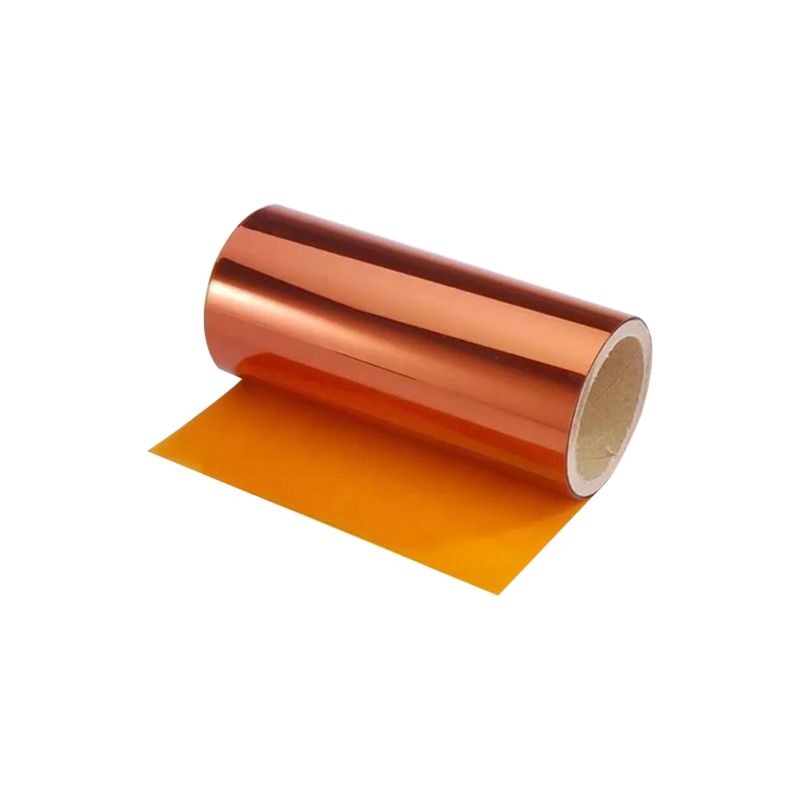
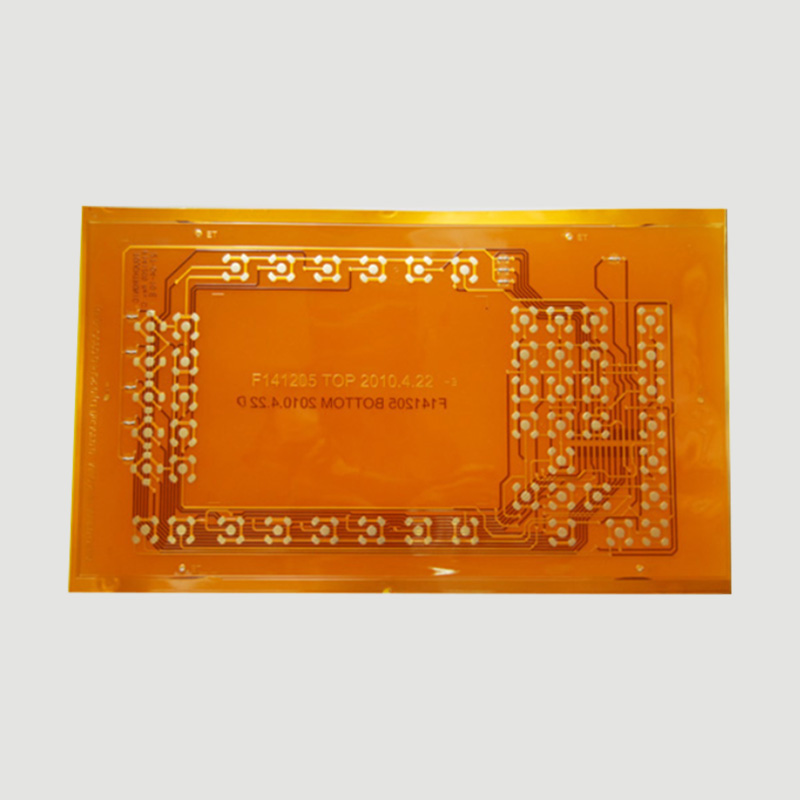
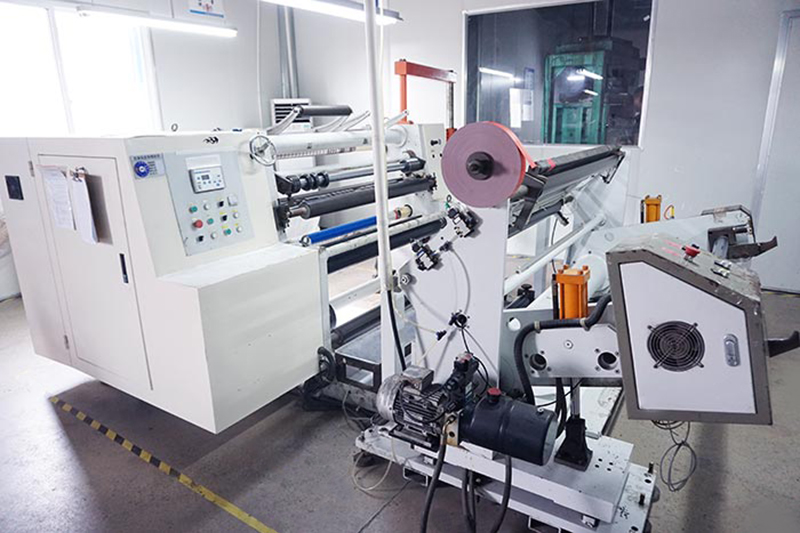
Anhui Yanhe New Material Co., Ltd. mainly develops and manufactures specialty labeling materials, functional tapes for the electronics industry, and adhesive products for various functional film materials. The company is able to fully meet the technical requirements of its customers' products by applying corresponding surface coatings based on the functional requirements of different surfaces. With advanced new material research and development technologies, customized manufacturing capabilities, and the ability to collaborate with universities and scientific research institutions at home and abroad, the company is committed to providing integrated solutions for functional materials. Specifically, they offer custom PI Thermosetting Film, which acts as a high-performance copper-clad layer in Flexible Printed Circuits (FPCs) alongside FPC Copper Foil. Known for its heat resistance and electrical insulation properties, this material provides high mechanical strength and wear resistance, offering effective protection against high temperatures and mechanical damage. Furthermore, the PI thermosetting film exhibits strong resistance to chemical corrosion and environmental aging, ensuring long-term stability in electronic devices and industrial equipment.
Chemical Resistance and Environmental Aging Mechanisms in FPCs
The operational environment of flexible circuits often exposes them to harsh chemicals and fluctuating temperatures during both manufacturing and end-use. The PI Thermosetting Film exhibits strong resistance to chemical corrosion and environmental aging, which is crucial for maintaining the structural and electrical integrity of the underlying FPC Copper Foil. This resistance is achieved through the dense molecular structure of the polyimide matrix, which prevents the penetration of acidic or alkaline etchants used during printed circuit board manufacturing. By mitigating chemical degradation, the film ensures that the copper traces remain intact and free from oxidative defects over the product's lifecycle.
Critical Chemical Exposure Factors in Manufacturing
- Resistance to flux residues and aggressive cleaning solvents, preventing the delamination of the FPC Copper Foil during the high-temperature soldering process.
- Stability against oxidative degradation when exposed to extreme thermal cycling, ensuring long-term durability and signal integrity in automotive and aerospace electronics.
- Protection against moisture ingress, which actively mitigates the risk of electrochemical migration and micro-short circuits in high-humidity operational environments.
Mechanical Strength Optimization During Circuit Board Lamination
While the PI Thermosetting Film offers inherent high mechanical strength and wear resistance, improper handling during the lamination and etching processes can compromise its protective capabilities. Manufacturers must optimize the peel strength between the PI film and the FPC Copper Foil to prevent micro-tears and circuit breakage. This requires precise control of lamination temperatures and pressures, ensuring that the thermosetting properties of the film are fully activated without inducing residual stress that could lead to board warping. Proper mechanical optimization ensures that the final flexible circuit can withstand repeated bending without the copper layer fracturing or the protective film peeling away.
| Mechanical Property | Standard Uncoated PI Film | Custom Coated PI Thermosetting Film |
| Peel Strength with FPC Copper Foil (N/mm) | 0.8 - 1.2 | 1.5 - 2.0 |
| Tensile Strength (MPa) | 110 - 130 | 140 - 160 |
| Thermal Dimensional Stability | Moderate | Excellent |
| Surface Wear Resistance | Standard | Enhanced |
