
 English
 русский
 Español
 عربى
عربى





Industry Knowledge
The Coating Stack Is What Makes Ink-Free Printing Possible
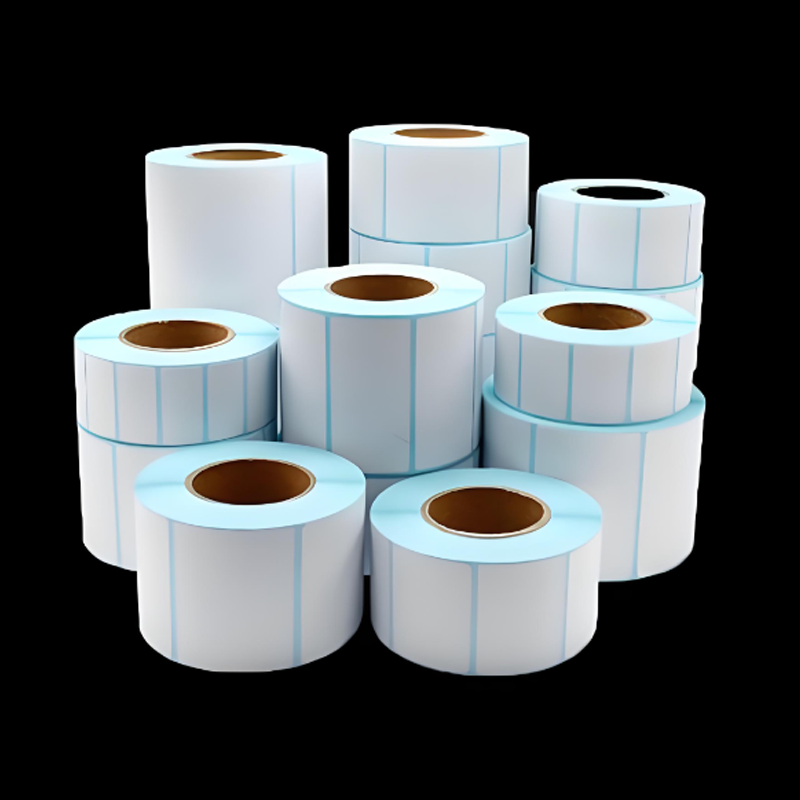
A sheet of Thermal Printer Paper produces an image through chemistry, not mechanics, and that chemistry is built in layers rather than mixed into a single coat. A precoat sits closest to the base paper, filling the microscopic gaps between fibers to create a smooth printing surface and cushioning the thermal layer above it. On top of that sits the thermal coat itself, which typically contains a dozen or more compounds — leuco dyes, an acidic developer, and sensitizers — engineered to react only within a narrow, controlled temperature window.
When the printhead touches down, localized heat melts the leuco dye crystals and the developer simultaneously, and the two compounds react to form a visible dark mark within milliseconds. Sensitizers exist purely to control the melting point of this reaction, keeping the activation threshold consistent so the same printer settings produce the same print density across an entire roll, batch after batch.
Topcoat Formulation Protects the Printhead as Much as the Print
A thermal printhead is a precision component, and cheap paper wears it down faster than most buyers realize. A well-formulated topcoat does two jobs at once: it shields the thermal-sensitive layer beneath from UV exposure, moisture, and abrasion after printing, and it improves slip between the paper surface and the printhead during the printing pass itself. Without sufficient slip additives in the topcoat, friction against the head increases, leading to premature head wear, uneven print density, and in some cases visible striping on high-speed print runs.
What this means for high-volume printing environments
Retail POS terminals, logistics label printers, and kitchen order printers all run at different speeds and duty cycles, and topcoat formulation should be matched accordingly. A paper optimized for occasional low-speed receipt printing can cause noticeably faster head degradation when deployed on a high-throughput label printer running continuously through a shift.
Developer Chemistry Is Shifting Away from Bisphenols
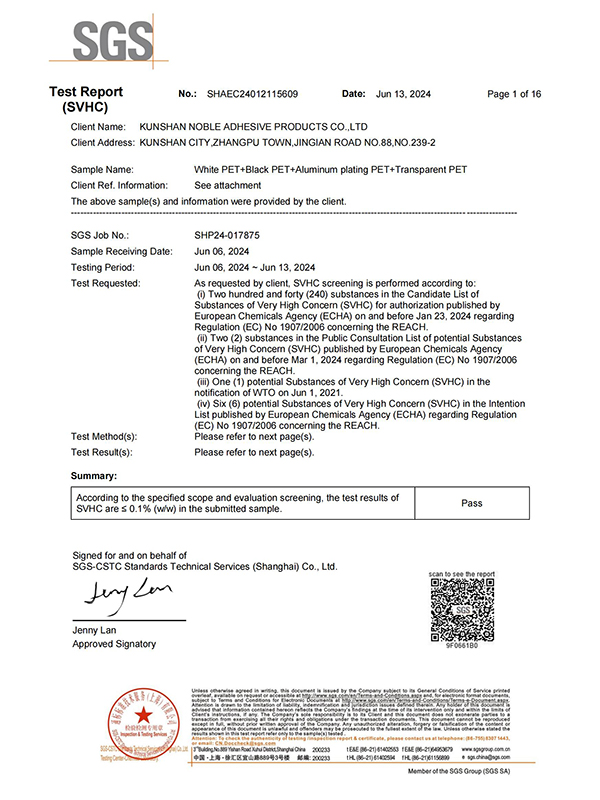
For decades, Bisphenol A served as the standard developer compound in most thermal coatings. As health and environmental concerns around BPA mounted, much of the industry shifted to Bisphenol S as a substitute — but BPS shares a similar molecular structure to BPA and has drawn its own regulatory scrutiny in several markets. The current shift is toward phenol-free developer systems that avoid both compounds entirely, using alternative acidic chemistries such as urea-based or diphenylurea-derivative developers to trigger the same color-forming reaction without phenolic compounds in the coating.
| Developer Type | Regulatory Status | Common Use Case |
|---|---|---|
| BPA-based | Restricted or banned in multiple regions | Legacy stock, declining use |
| BPS-based | Under increasing scrutiny | Common "BPA-free" labeling |
| Phenol-free | Generally accepted, fewer restrictions | Healthcare, food service, retail |
Buyers should confirm which developer category a supplier's paper actually uses rather than relying on "BPA-free" labeling alone, since that claim can still permit a BPS-based formulation with a similar chemical profile.
Image Longevity Depends on Storage, Not Just Coating Quality
Even a well-formulated thermal print will fade if the finished document is stored improperly. Heat, direct sunlight, and prolonged contact with plasticizers — including PVC sleeves, some laminate pouches, and certain adhesive tapes — can reactivate or degrade the printed image over time, causing text to blur or disappear entirely. This matters directly for records that need to remain legible for months or years, such as compliance labels, warranty receipts, or shipping documentation.
- Store printed rolls and finished prints away from direct light and heat sources
- Avoid direct contact between printed thermal surfaces and PVC-based materials during storage
- For long-term record retention, specify a topcoat formulation rated for extended image stability rather than standard receipt-grade paper
Print durability requirements should be specified upfront based on how long the document actually needs to stay legible, since standard receipt paper and long-life label-grade thermal paper are formulated to very different fade-resistance standards.
Functional Coatings Turn Standard Thermal Stock into Application-Specific Material
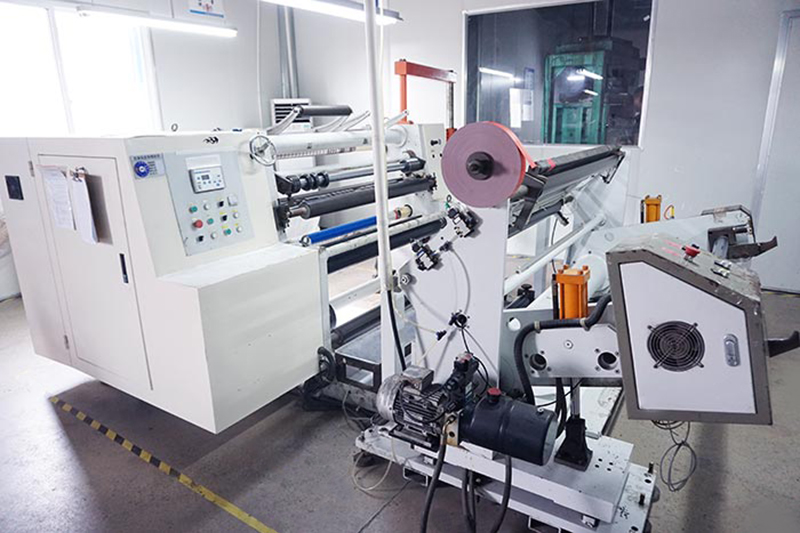
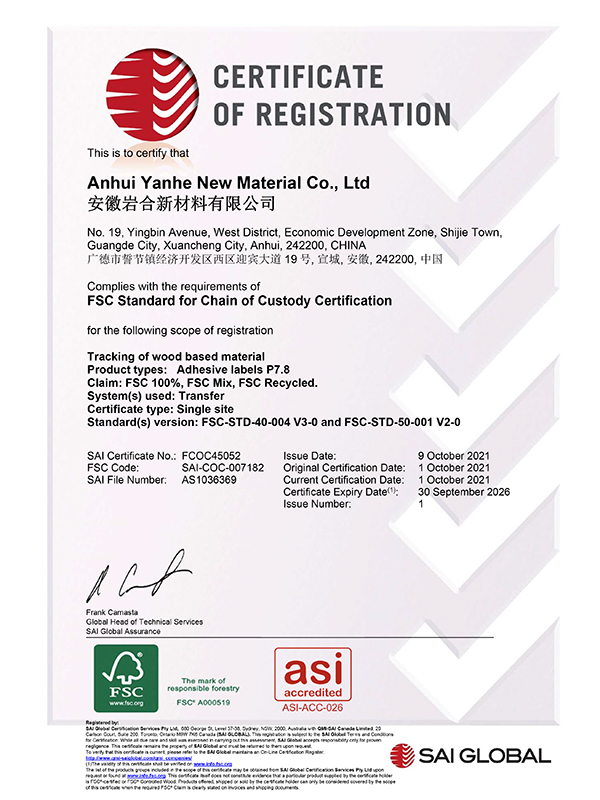
Anhui Yanhe New Material Co., Ltd., founded in 2012 and operating from a 17-acre facility in Guangde Economic Development Zone West, approaches thermal paper as a functional material platform rather than a single fixed product. As a manufacturer of specialty labeling materials and functional tapes for the electronics industry, the company applies coating adjustments based on each customer's technical requirements, rather than supplying one uniform thermal grade across every application.
For customers requiring Custom Thermal Paper, that typically means adjusting developer chemistry to meet regional regulatory requirements, tuning topcoat formulation for the print speed and printhead type in use, or integrating adhesive backing for direct-application label formats used in electronics component tracking and asset identification. Because the company collaborates with universities and research institutions on new material development, coating adjustments outside a standard catalog specification remain achievable rather than requiring the customer to accept a generic off-the-shelf grade.
Matching Thermal Sensitivity Grade to the Printing Environment
Not all thermal paper activates at the same temperature, and mismatching sensitivity grade to printer hardware is a common source of faint or inconsistent prints. High-sensitivity grades are formulated to activate at lower printhead energy, which suits high-speed printers running continuous label or ticket production where the paper spends less time under the head per print cycle. Standard-sensitivity grades require slightly more thermal energy but tend to offer better resistance to accidental activation from ambient heat or friction during handling and transport.
Printer manufacturers typically publish a recommended sensitivity range for their hardware, and running paper outside that range doesn't just affect print quality — it can accelerate printhead wear or cause the printer's auto-density settings to compensate in ways that shorten paper shelf life before printing even occurs. Confirming sensitivity grade against printer specifications during procurement avoids a mismatch that often gets misdiagnosed as a printer hardware fault rather than a paper selection issue.
