
 English
 русский
 Español
 عربى
عربى





Industry Knowledge
Toner Fusion Is What Makes the Print Survive Laundering
Print applied to Washable Laser Film doesn't just sit on the surface the way ink from an inkjet printer does. A laser printer's fuser assembly heats the toner to a point where it melts and bonds into the film's top coating, embedding the pigment rather than depositing it as a surface layer. That fusion step is the entire reason a laser-printed care label survives dozens of wash and dry cycles while an inkjet-printed equivalent would blur or wash away within the first laundering.
This also explains why not every laser-compatible film performs the same way after printing. The top coating has to be formulated to accept and hold molten toner at typical fuser temperatures — usually in the 180°C to 200°C range — without scorching, curling, or releasing the toner layer during repeated flexing as the fabric moves through washing and drying.
What Wash-Cycle Ratings Actually Measure
Suppliers commonly advertise a film as rated for "30+ washes," but that number depends heavily on the test protocol behind it, and buyers should ask what conditions the rating was based on before treating it as a universal figure. A meaningful wash durability test typically evaluates the applied label across repeated cycles under defined variables:
- Water temperature, since hot-water cycles degrade adhesive and coating faster than cold-water cycles
- Detergent type, as enzyme-based and bleach-containing formulas stress the coating differently than standard detergent
- Dryer heat exposure, which can be more damaging to adhesive bond strength than the wash cycle itself
- Fabric type and flex frequency during the cycle, since stiffer garments create more mechanical stress on label edges
A rating generated under mild home-laundry conditions won't necessarily hold up in commercial or industrial laundering, where hotter water and stronger detergents are standard. Any wash-durability claim worth relying on should specify the test parameters, not just the cycle count.
Adhesive Tack Has to Account for Fabric Movement, Not Just Initial Bond
Adhering a label to a rigid surface is a fundamentally different engineering problem than adhering one to fabric that stretches, folds, and agitates continuously during washing. A general-purpose permanent adhesive that bonds well to plastic or metal often fails on textile substrates because fabric doesn't provide a flat, stable bonding surface — the adhesive needs enough initial tack to grip a woven or knit texture and enough flexibility to move with the fabric without the bond line cracking.
High-tack acrylic adhesive systems formulated specifically for textile bonding tend to outperform standard label adhesives in this application, since they maintain contact across an uneven fiber surface rather than bridging over the texture the way a stiffer adhesive would. This is a key reason garment care label failures often show up as corner lifting rather than complete detachment — the bond line simply couldn't keep pace with the fabric's movement at the label's edges.
Edge Sealing Prevents the Most Common Failure Mode
Most washable laser film failures don't start in the middle of the label — they start at the cut edge, where repeated agitation and water exposure can cause delamination between the film layer and the coating, or fraying if the film itself isn't cut cleanly. Die-cutting quality matters more for fabric-applied film than for most other label applications, since a ragged or micro-torn edge gives water and detergent a direct entry point into the laminate structure.
Rounded corners reduce mechanical stress
Square-cut corners concentrate stress during fabric flexing and are statistically more prone to lifting than rounded corners, which distribute that same mechanical load across a wider edge. This is a small design detail, but it consistently shows up in wash-test comparisons between otherwise identical label constructions.
Skin-Contact Compliance Is a Separate Requirement from Wash Durability
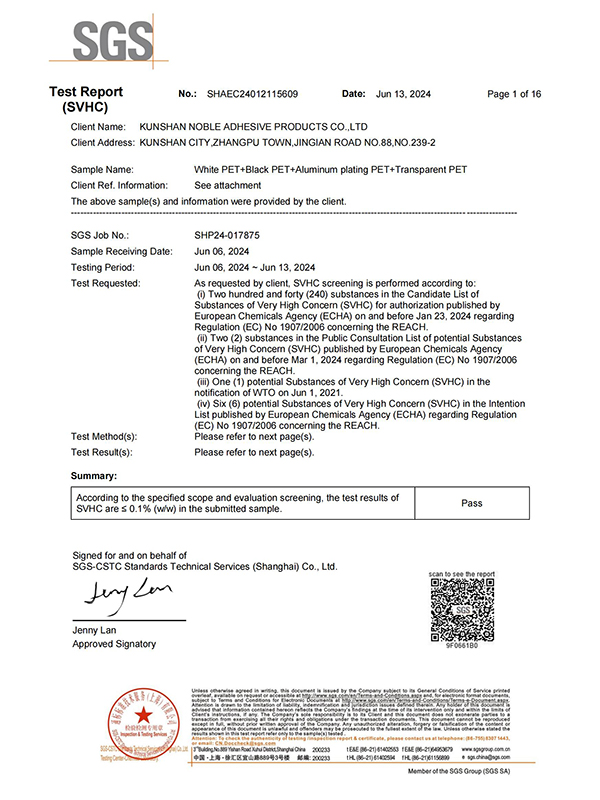
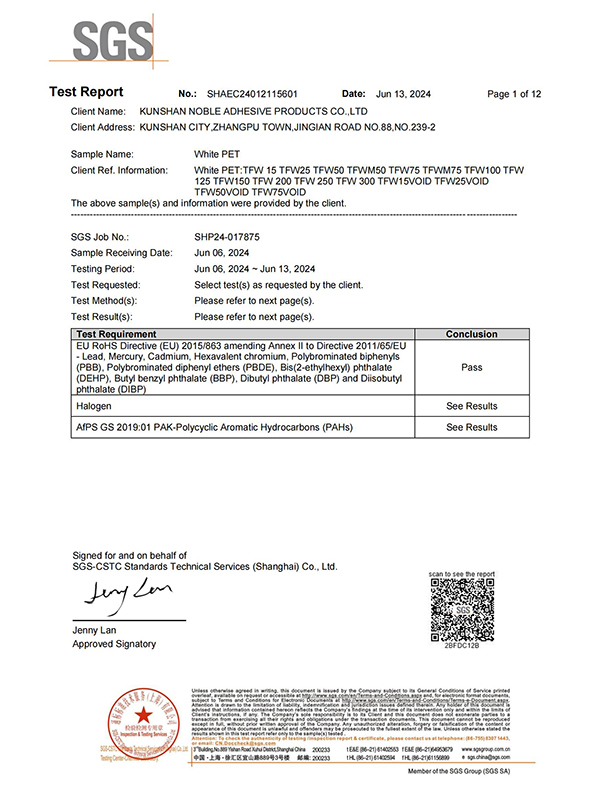
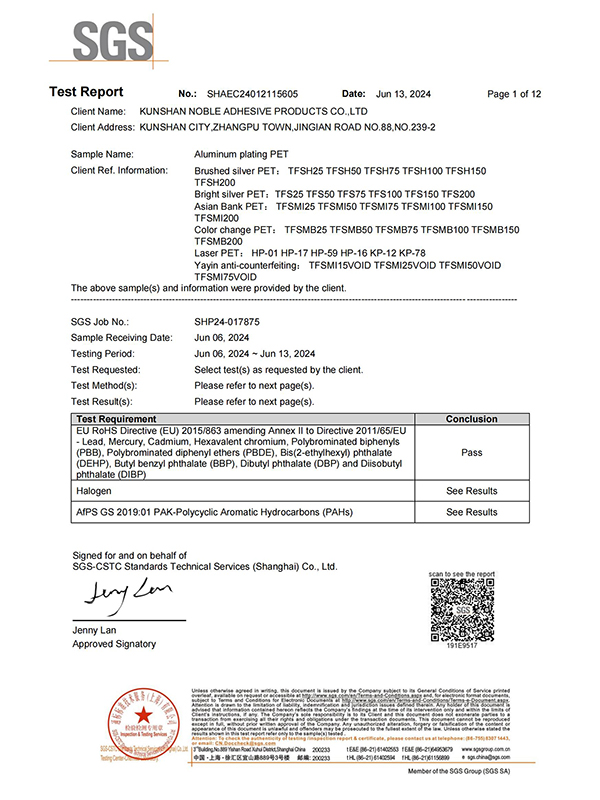
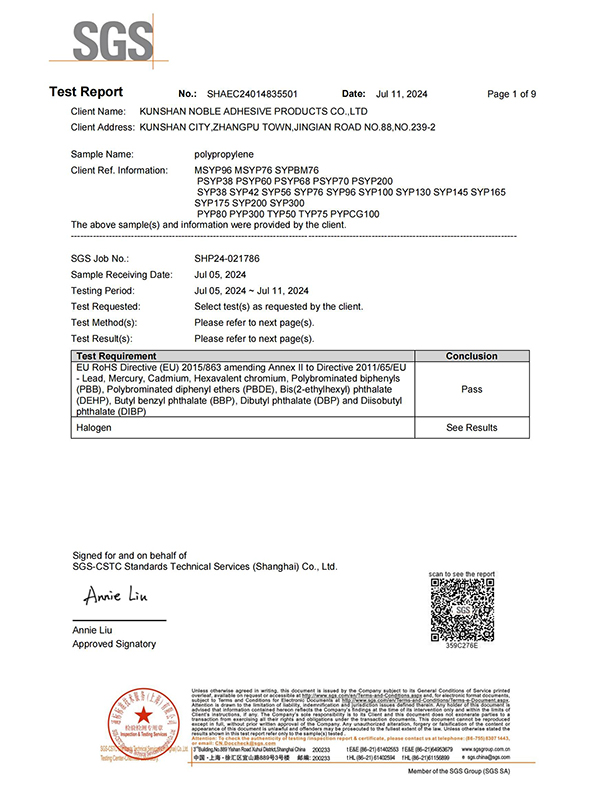
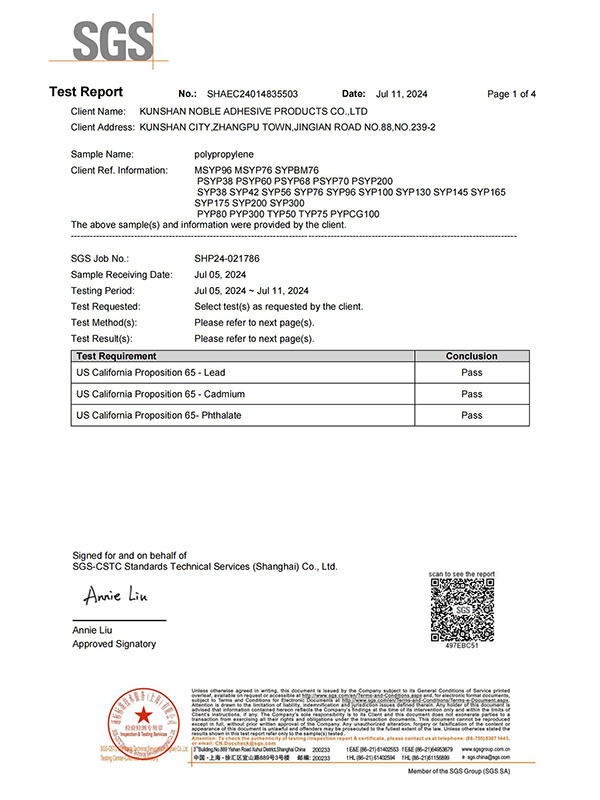
A film that survives 40 wash cycles isn't automatically suitable for garment applications if it lacks the safety documentation buyers in apparel, childcare, and healthcare markets are required to check. Because washable laser film is typically applied inside a garment where it sits directly against skin, compliance testing needs to confirm the film and adhesive won't leach restricted substances during normal wear and repeated washing.
| Certification | Primary Focus |
|---|---|
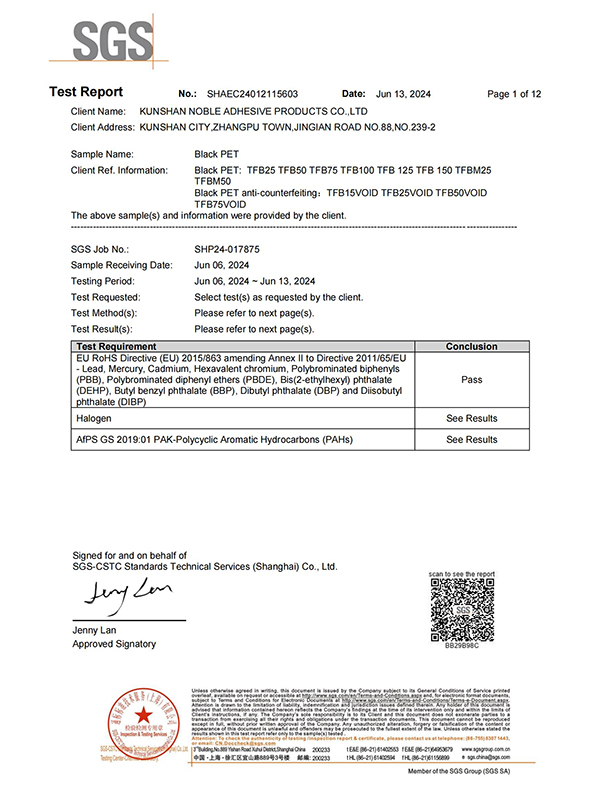
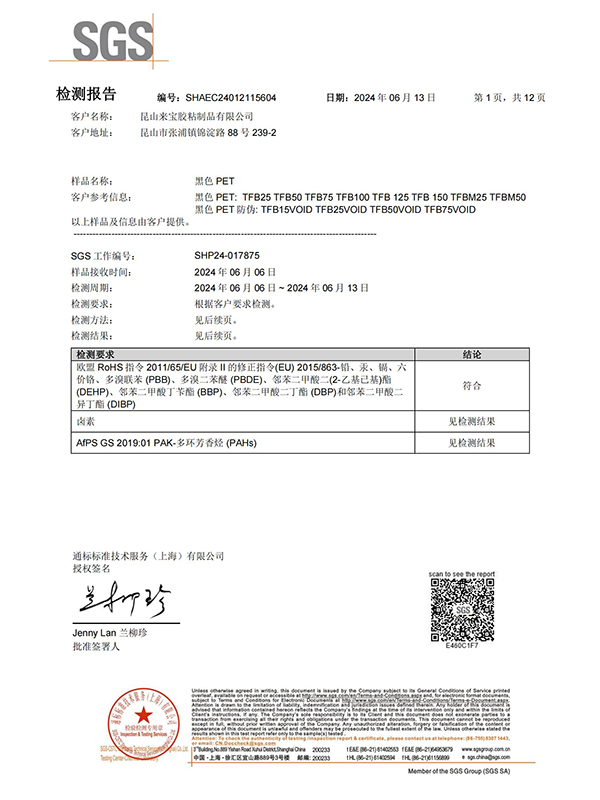
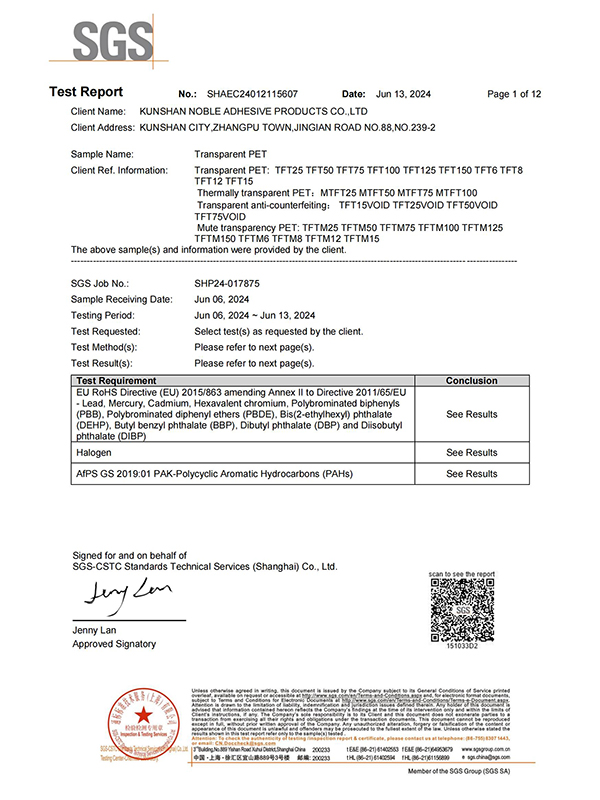
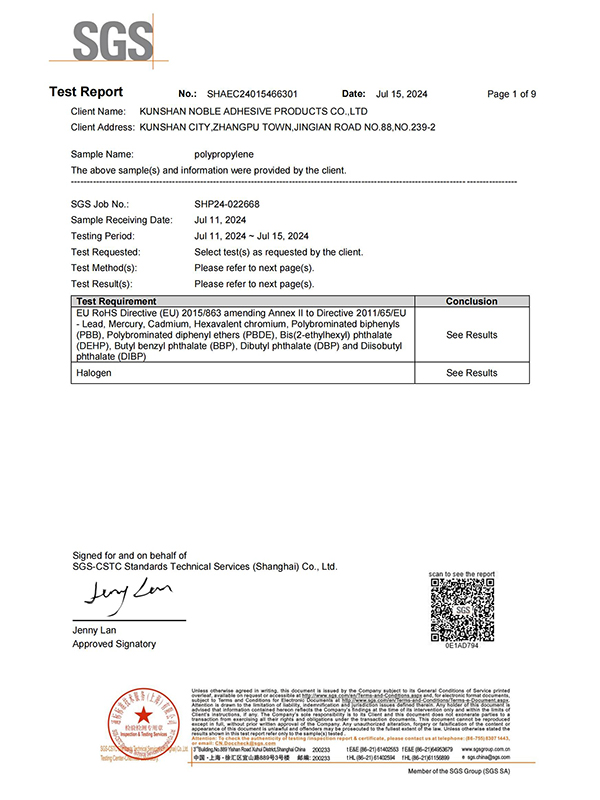
| REACH | Restriction of hazardous chemical substances (EU) |
| RoHS | Restriction of hazardous substances in materials and components |
| CPC (Children's Product Certificate) | Safety compliance for children's product applications (US) |
Buyers sourcing for regulated apparel categories should request current certification documentation directly rather than assuming a supplier's general product line automatically covers every regional requirement.
Applications Extend Beyond Apparel into Industrial and Electronics Labeling
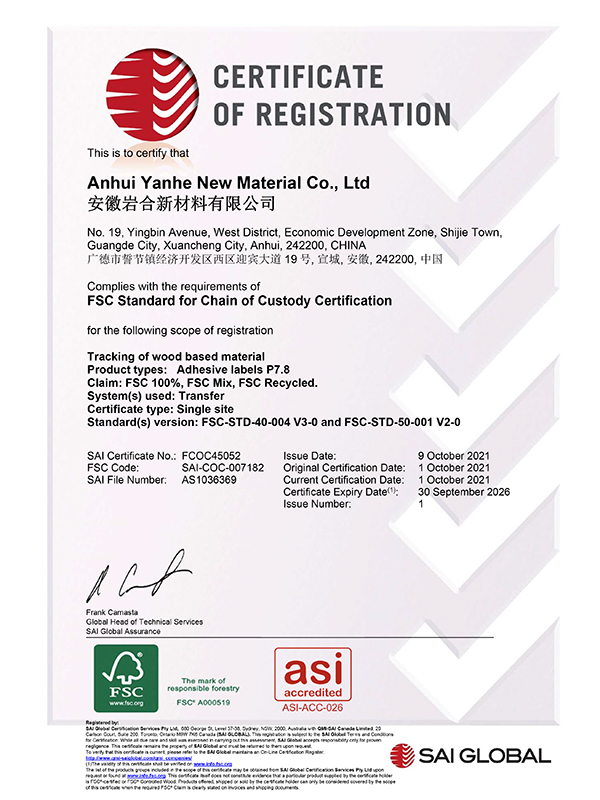
Anhui Yanhe New Material Co., Ltd., founded in 2012 and based on a 17-acre site in Guangde Economic Development Zone West, develops washable laser film formulations that extend past standard garment care labeling. As a manufacturer of specialty labeling materials and functional tapes for the electronics industry, the company applies surface coatings tailored to each customer's functional requirement — a capability that carries over directly to applications where labels need to survive not just laundering, but repeated cleaning cycles, mild solvent contact, or high-humidity environments in industrial and electronics settings.
For customers requiring Custom Washable Laser Film, that typically involves adjusting adhesive chemistry for the target substrate, tuning the top coating for a specific laser printer's fuser temperature range, and validating performance against the customer's actual cleaning or wash protocol rather than a generic industry benchmark. Because Anhui Yanhe collaborates with universities and research institutions on material development, formulation changes for non-standard applications remain achievable without forcing a customer's product into an existing catalog specification.
