
 English
 русский
 Español
 عربى
عربى




Industry Knowledge
The Emissivity Factor: Maximizing Reflective Thermal Performance
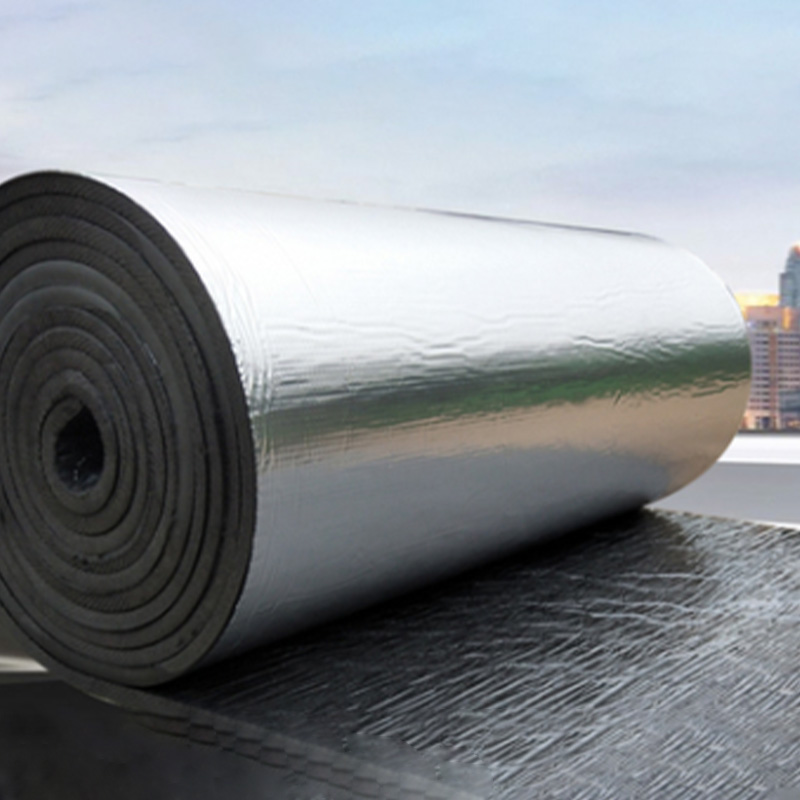
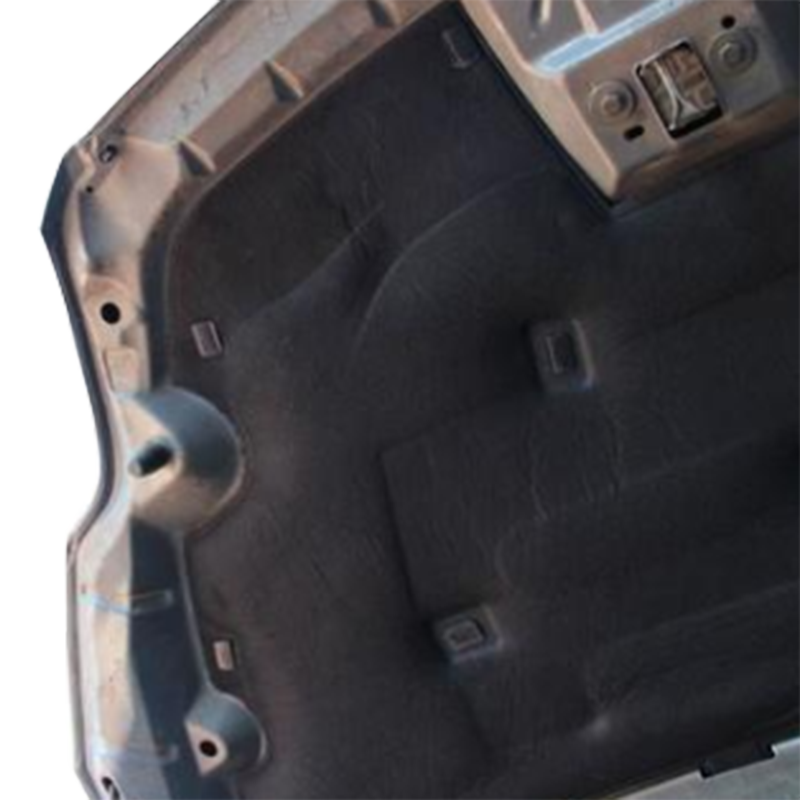
The thermal insulation capacity of Aluminum Foil Fiberglass Felt relies heavily on the low emissivity of its metallic facing. While many assume thickness alone determines heat blockage, the reality is that over 90% of radiant heat transfer can be reflected by a clean, unoxidized aluminum surface with an emissivity rating below 0.05. At Anhui Yanhe New Material Co., Ltd., the aluminum foil layer is processed to maintain a mirror-like finish that minimizes the absorption of infrared radiation. This reflective performance becomes critically important in applications like automotive firewall barriers, where the temperature gradient can exceed 200°C between the engine bay and the cabin interior. If the foil surface accumulates dust or oil during installation, its emissivity can skyrocket to 0.5 or higher, effectively destroying its ability to block heat transfer. The manufacturing approach at the Guangde Economic Development Zone West facility ensures the foil is laminated under tension without micro-wrinkles that trap contaminants, preserving the low-emissivity surface required for consistent thermal management in harsh environmental conditions.
Noise Reduction Mechanisms: Dissipating Acoustic Energy Through Viscoelastic Damping
The soundproofing capability of fiberglass-based composite materials extends far beyond simple mass loading. When Aluminum Foil Fiberglass Felt is deployed as a sound-dampening layer, the fibrous core converts acoustic kinetic energy into negligible heat through fiber-to-fiber friction. Unlike closed-cell foams that merely reflect airborne noise, the open, porous structure of the fiberglass felt traps sound waves within a tortuous labyrinth, forcing them to scatter and lose energy. The aluminum foil facing adds a constrained-layer damping effect; as the structure vibrates, the foil resists the bending motion of the underlying fiberglass, creating shear strain at the interface. This synergy between the reflective aluminum and the absorptive felt provides a broad-frequency noise reduction solution. In industrial equipment compressors, this dual-action treatment reduces both high-frequency hiss and low-frequency rumble, ensuring that the material delivers efficient and reliable acoustic attenuation without the bulkiness associated with traditional mass-loaded vinyl barriers.
Thermal Break Analysis: Edge Sealing Against Convective Heat Loss
A common installation failure involving Aluminum Foil Fiberglass Felt is the neglect of edge treatment. If the cut edges of the felt remain exposed, hot air can bypass the reflective surface and enter the fibrous core through convection, creating a thermal short circuit that undermines high temperature resistance. As a specialized processor of functional film materials, Anhui Yanhe New Material Co., Ltd. offers customized manufacturing capabilities that include edge-sealing with high-temperature pressure-sensitive adhesives. This detail is crucial when the material is used as a thermal insulation component around exhaust ducting in heavy machinery. The adhesive seals the exposed glass fibers, preventing them from wicking moisture or oil, which would degrade the material's wear resistance. Furthermore, a properly sealed edge ensures that the temperature drop occurs across the thickness of the felt rather than around it, stabilizing the thermal gradient and protecting adjacent sensitive electronic controls from slow heat soak damage caused by bypass convection currents.
Technical Specification Comparison of Heat Insulation Composite Layers
The selection of the correct grade of composite felt involves balancing thickness, density, and facing material against the specific thermal threat. The table below outlines how different construction parameters of Aluminum Foil Fiberglass Felt align with distinct application demands in the automotive and industrial sectors. These metrics highlight how Anhui Yanhe engineers its specialty labeling materials and adhesive products to meet functional requirements without over-engineering the solution.
| Felt Density (kg/m³) | Foil Thickness (mm) | Optimal Use Case Profile |
| 60 - 80 | 0.007 | Door cavity sound dampening; lightweight construction prioritizes NRC over extreme temperature shielding. |
| 100 - 120 | 0.015 | Standard engine undertray insulation; balances wear resistance with moderate reflective performance. |
| 150+ | 0.025 - 0.050 | Heavy industrial exhaust wrapping; reinforced foil resists cracking under sustained 400°C radiant loads. |
Siloxane-Free Surfaces: Protecting Electronic Controls During Installation
In the electronics industry, a hidden danger with glass fiber insulation is the potential presence of silicone-based binders that volatilize under heat. When Aluminum Foil Fiberglass Felt is used near relays or ECUs, outgassed siloxanes can oxidize on electrical contacts, creating insulating quartz layers that cause intermittent connection failures. Recognizing this, Anhui Yanhe New Material Co., Ltd. formulates its binding agents to be completely free of migratory silicone. The advanced material research conducted on the 17-acre site in the Guangde Economic Development Zone West focuses on acrylic-thermoset hybrid binders that lock the glass fibers in place without generating harmful volatile compounds. This ensures that the thermal insulation material can be safely specified for battery compartment liners in electric vehicles, where long-term anti-corrosion properties and air quality are as critical as the heat blockage. The company's integrated solutions guarantee that the functional tapes and materials meet the strict Total Mass Loss standards required by automotive OEMs globally.
Fatigue Resistance Under Pulsating Thermal Loads
The durability of a composite insulation layer is tested not at a static maximum temperature, but by how it handles rapid thermal cycling. The aluminum foil facing expands and contracts at a rate roughly three times greater than the underlying fiberglass felt core. Without proper stress relief in the lamination layer, the foil can buckle and delaminate after a few hundred hours of exposure, compromising the anti-corrosion and reflective properties. The customized manufacturing approach at Anhui Yanhe New Material Co., Ltd. addresses this through a specialized surface coating applied to the felt that acts as a flexible thermal interface. This coating allows the foil to expand independently without debonding from the fibrous substrate. For equipment operating in the Arctic or desert climates, this microscopic slip-plane prevents the formation of permanent wrinkles that degrade both aesthetic appearance and the material's ability to effectively block the transfer of heat and noise over the warranty life of the machine.
Validation Protocols for Conformable Insulation in Complex Geometries
Wrapping irregular industrial valve bodies or stamped automotive floor pans requires the felt to conform without tearing or springing back. The mechanical performance of Aluminum Foil Fiberglass Felt under deformation is a key differentiator. The fibrous nature provides excellent dead-fold characteristics, meaning once compressed or shaped, it retains its form. However, stretching the material too far thins the density and creates hot spots. The engineering team at Anhui Yanhe recommends a strict validation protocol when utilizing this material for noise reduction and heat insulation to ensure the stability and durability of the installed shield. These practical checkpoints help fabricators avoid delamination during installation of custom adhesive products in tight engine compartments.
- Minimum Bend Radius Test: Validate that the composite can wrap around a mandrel twice its thickness without the aluminum foil cracking or detaching from the fiberglass substrate. Cracks allow corrosive fluids direct access to the absorbent core.
- Compression Creep Assessment: When clamped between a heat source and a cover plate, measure the thickness retention after 1,000 hours at 150°C. The material must maintain over 85% of its original thickness to ensure that the clamping pressure remains consistent on the vibration-dampened component.
- Surface Sweat Out Testing: Subject samples to 90°C and 95% relative humidity. The aluminum surface must remain free of oily condensate that would otherwise migrate and contaminate attached adhesive products for various functional film materials.
- Vertical Burn Propagation: Even though fiberglass is non-combustible, verify that residual binder does not support a flame front across the surface of the felt. The material should be self-extinguishing immediately upon removal of the ignition source.
- Acoustic Insertion Loss Measurement: Using an impedance tube per ASTM E1050, verify the sound absorption coefficient at the target frequency. For a 10mm thick felt, the NRC should typically fall between 0.65 and 0.80 for engine frequency ranges.
Combining Functional Tapes with Hybrid Insulation Blankets
Modern machinery often requires zoned insulation—areas needing high reflection and others needing extreme abrasion resistance. A single sheet of Aluminum Foil Fiberglass Felt can be selectively laminated with functional tapes to enhance its mechanical properties locally. For example, the edges near mounting bolts can be reinforced with a durable polymer film to prevent fretting wear, while the broad center area retains the pure reflective foil. As a supplier committed to providing integrated solutions for functional materials, Anhui Yanhe New Material Co., Ltd. leverages its capability to collaborate with universities and scientific research institutions to develop these hybrid constructions. By applying a high-temperature acrylic transfer tape to the back of the felt, the material becomes a self-adhesive "peel-and-stick" insulator, eliminating the need for mechanical fasteners that pierce the aluminum foil. This innovation in adhesive products significantly speeds up assembly line operations in the automotive and industrial equipment sectors, delivering a turnkey solution for soundproofing and heat insulation.
