
 English
 русский
 Español
 عربى
عربى


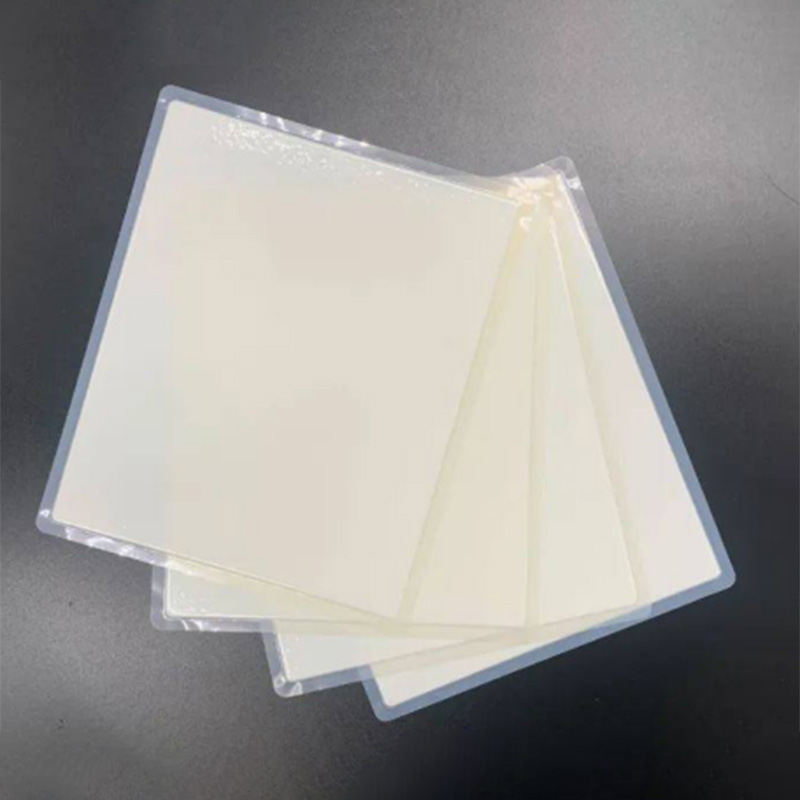
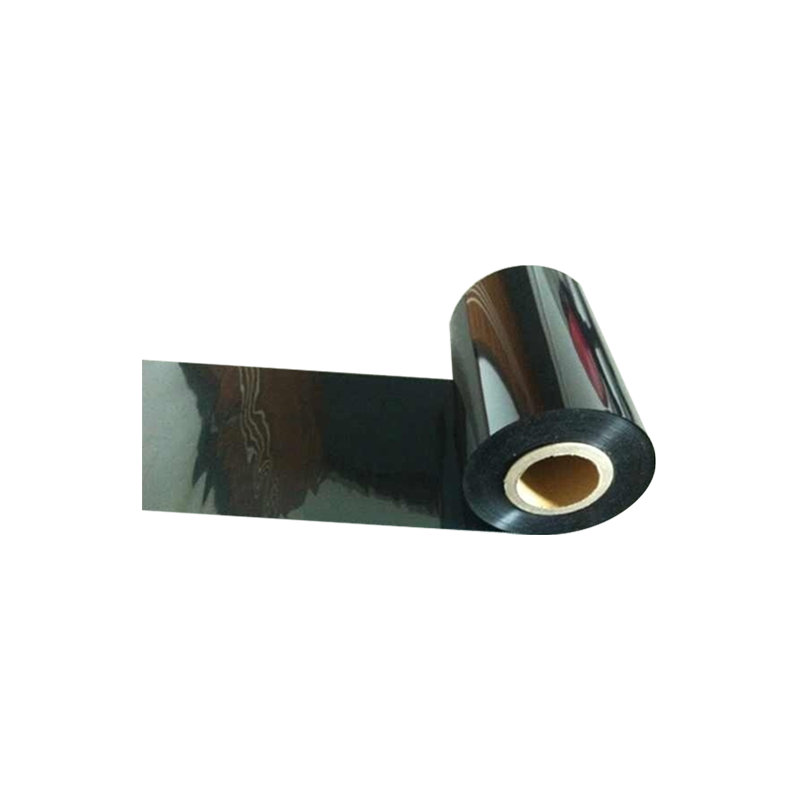



Why Surface Coating Compatibility Determines Functional Tape Performance in Battery Packs
The adhesion behavior of a functional tape is not simply a function of adhesive chemistry — it is the result of surface energy matching between the adhesive layer and the substrate it bonds to. Battery pack components commonly present surfaces made of aluminum alloy, stainless steel, PET film, and polypropylene separators, each carrying a different surface energy profile. A tape engineered for aluminum busbars may fail entirely on a polypropylene surface because its adhesive lacks the wettability to spread and bond effectively on low-energy substrates.
This is precisely where surface coating technology becomes the differentiating factor. By applying functional coatings — such as corona treatment enhancers, primer layers, or release-modifying overcoats — manufacturers can adjust the interface energy of both the tape substrate and the adhesive side to match the target surface. Anhui Yanhe New Material Co., Ltd., founded in 2012 and located in Guangde Economic Development Zone West, applies corresponding surface coatings based on the functional requirements of different customer surfaces. This customized coating approach allows a single tape platform to be adapted across divergent substrate types without compromising peel adhesion, shear resistance, or high-temperature retention.
Three coating-related parameters directly govern real-world bonding outcomes in new energy battery environments:
- Surface energy of the substrate, typically measured in mN/m — most metals sit above 40 mN/m while untreated polyolefins sit below 32 mN/m
- Open time of the adhesive, which governs how quickly the tape forms a mechanical bond before curing or cold-flow completes
- Thermal stability of the coating interface, as battery pack operating temperatures between 60°C and 120°C during fast-charge cycles can delaminate coatings not specifically formulated for thermal creep resistance
Understanding these interactions allows engineers to move beyond trial-and-error tape selection toward specification-driven procurement — a shift that reduces scrap rates and rework in automated cell assembly lines.
Dielectric Insulation Films: What the Numbers Actually Mean for Battery Safety
Dielectric breakdown voltage is frequently cited in product datasheets for New Energy Battery Supporting Materials, but the number alone can be misleading. A film rated at 10 kV/mm means it can resist 10,000 volts per millimeter of thickness before catastrophic electrical failure — but this figure is measured under ideal laboratory conditions using a uniform electric field. Inside a battery pack, field distribution is rarely uniform. Edges of busbars, sharp corners on cell cans, and protruding weld spatter all create local field concentrations that can initiate partial discharge at voltages well below the nominal dielectric rating.
This is why specification engineers increasingly pair dielectric breakdown voltage with a second metric: partial discharge inception voltage (PDIV). A film with a high bulk breakdown rating but low PDIV will degrade silently through repeated partial discharges long before catastrophic failure, generating ozone byproducts and causing progressive insulation loss. The practical implication is that films used for cell-to-cell isolation in high-voltage modules (above 400V pack voltage) should be qualified by PDIV testing, not just breakdown voltage alone.
Material choice significantly affects both parameters. The table below summarizes the key electrical and mechanical characteristics of the most common film substrates used in battery insulation applications:
| Film Type | Typical Thickness Range | Dielectric Strength | Max Continuous Temp | Typical Application |
| PET (Polyester) | 25–125 µm | ~180 kV/mm | 150°C | Cell wrapping, module insulation |
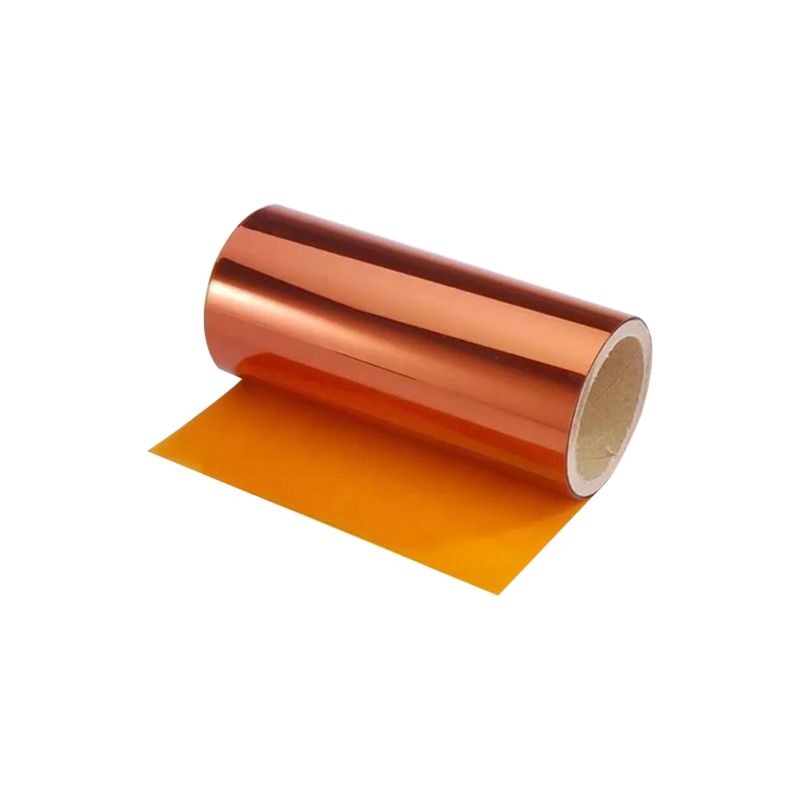
| PI (Polyimide / Kapton) | 12–75 µm | ~300 kV/mm | 260°C+ | Terminal sealing, high-temp zones |
| PP (Polypropylene) | 20–100 µm | ~160 kV/mm | 105°C | Cost-sensitive pouch cell wrapping |
| BOPP (Biaxially Oriented PP) | 18–50 µm | ~170 kV/mm | 100°C | Soft pack process protective films |
For double-layer constructions — where two film plies are laminated to create redundant insulation — the effective dielectric rating is not simply doubled. Lamination interfaces introduce adhesive layers that may have lower dielectric strength than the films themselves, a detail that is often overlooked during initial material qualification.
How Specialty Labeling Materials Support Traceability in EV Battery Manufacturing
Battery cell traceability is no longer optional. The European Battery Regulation, which introduced mandatory Digital Battery Passport requirements, mandates that each battery cell carry a unique identifier traceable through its entire lifecycle — from raw material extraction through end-of-life recycling. Meeting this requirement depends not just on data systems, but on the physical labeling materials that carry identifiers through harsh manufacturing and field environments.
The challenge is significant. A specialty label applied to a cylindrical cell before formation cycling must survive electrolyte exposure, temperature excursions during formation (typically 45°C–85°C over 12–72 hours), ultrasonic welding proximity, and automated optical inspection without delaminating, wrinkling, or losing barcode readability. Standard commercial labels fail multiple of these criteria. Anhui Yanhe New Material Co., Ltd. develops specialty labeling materials specifically engineered to meet these technical requirements, combining functional film substrates with adhesive systems that maintain bond integrity across the complete manufacturing process chain.
Key Performance Requirements for Battery Traceability Labels
- Chemical resistance: Label materials must resist LiPF₆-based electrolyte solvents including EC, DMC, and EMC, which aggressively attack many standard adhesive systems and cause delamination within hours of exposure
- Thermal dimensional stability: PET-based label substrates are preferred over paper for their low coefficient of thermal expansion, preventing barcode distortion during formation temperature cycling
- Scan reliability: 1D and 2D barcode contrast ratios must remain above ISO/IEC 15416 grade 1.5 or better after environmental exposure for automated line scanning at production speeds above 0.5 m/s
- Adhesive residue control: Labels applied during intermediate assembly steps must release cleanly without transferring adhesive to cell surfaces, which can interfere with subsequent welding or bonding operations
An emerging development is digital tape — a variant of termination tape where Arabic numerals or QR codes are printed directly onto the film substrate before adhesive coating, embedding the identifier into the tape itself rather than requiring a separate label application step. This integration reduces process steps and eliminates label-tape interface as a failure mode.
Thermal Runaway Mitigation: What Supporting Materials Can and Cannot Do
Thermal runaway in lithium-ion batteries is a self-sustaining exothermic chain reaction initiated when a cell's internal temperature exceeds approximately 130°C–150°C, triggering separator breakdown and electrolyte decomposition. Once a single cell enters thermal runaway, the primary engineering challenge is preventing propagation to adjacent cells — a failure mode that accounts for the most severe battery fire incidents in both stationary storage and EV applications.
Supporting materials play a defined but bounded role in thermal runaway mitigation. Functional tapes and films contribute to three specific mechanisms:
- Electrical isolation under thermal stress: Cell wrapping films maintain dielectric barrier function during the early thermal excursion phase, preventing the electrical short circuits that can initiate or accelerate runaway in neighboring cells
- Mechanical containment: High-tenacity wrapping films with puncture resistance above 15 N (per ASTM F1306) help contain cell swelling during gas generation phases, reducing the likelihood of venting directed toward adjacent cells
- Thermal barrier contribution: When combined with ceramic-coated or aerogel-based inter-cell materials, functional film layers in the cell-to-cell interface can extend thermal propagation delay by several minutes — sufficient time for vehicle safety systems to trigger isolation or venting protocols
However, no adhesive tape or labeling film alone can stop propagation once thermal runaway is fully established. The realistic role of these materials is to improve system-level response time, not to serve as primary thermal protection. This distinction matters for engineers specifying materials against fire safety standards such as GB 38031-2020 (China) or UN ECE R100 (Europe), both of which test for propagation delay rather than propagation prevention.
Customized Manufacturing Capabilities: Why One-Size Solutions Fail in Functional Film Applications
Battery pack geometries vary enormously across cell formats — cylindrical 18650, 21700, and 4680 cells, prismatic aluminum-cased cells, and pouch cells each impose different wrapping geometry requirements. A tape designed for flat-surface lamination on prismatic cells will buckle and trap air pockets when applied to the curved surface of a cylindrical cell unless its substrate has been specifically formulated with the required elongation-at-break and conformability characteristics.
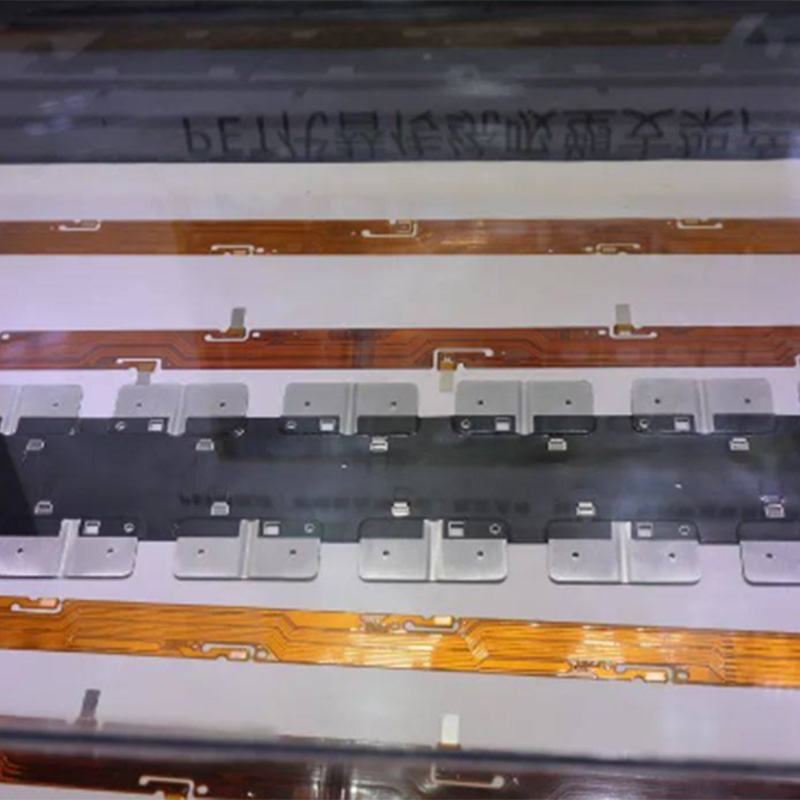
This geometry sensitivity extends to die-cutting tolerances. Functional film gaskets, insulating patches, and tab-covering pieces are frequently produced as precision die-cut components rather than continuous tape rolls, and dimensional tolerances of ±0.1 mm or tighter are routinely required to fit within the clearances of automated cell assembly jigs. Achieving this requires not just cutting precision, but dimensional stability in the base film — materials that change size with humidity or temperature will produce compliant-looking cuts that fail dimensional checks after transport or storage.
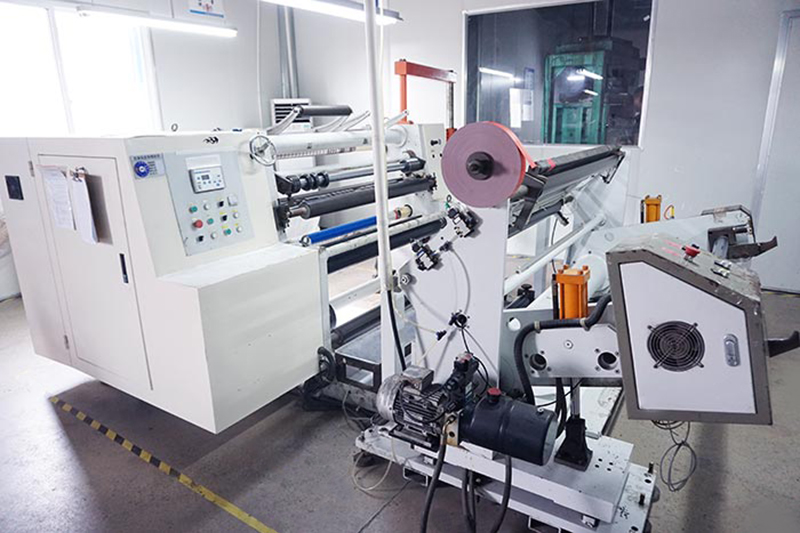
As a New Energy Battery Supporting Materials manufacturer and factory based in Guangde Economic Development Zone, Anhui Yanhe New Material Co., Ltd. brings customized manufacturing capabilities combined with collaborative R&D partnerships with universities and scientific research institutions. This combination enables the development of application-specific formulations — rather than catalog products — to address requirements that standard off-the-shelf materials cannot meet. For customers with unique surface chemistries, geometric constraints, or regulatory requirements, this collaborative approach compresses the qualification timeline by building technical understanding of the end-use environment into material development from the outset, rather than discovering incompatibilities during final validation.
Common Customization Parameters in Functional Tape Development
- Substrate thickness: from 12 µm (ultra-thin PI for high-energy density designs) to 250 µm (heavy-duty mechanical protection applications)
- Adhesive type: acrylic PSA for long-term aging stability, rubber-based for high-tack immediate bond, silicone for high-temperature zones above 200°C
- Release liner specification: siliconized PET or paper liners in various release force values (low-release for automated dispensing, high-release for manual peel-and-stick assembly)
- Color coding: blue, yellow, gray, and black films serve both functional purposes (color-coded insulation zones) and quality inspection purposes (visual contrast for camera-based verification systems)
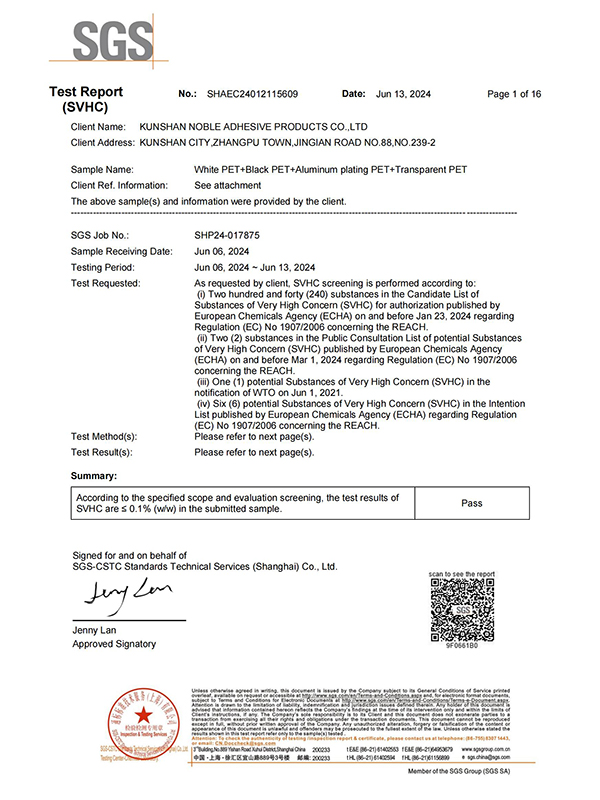
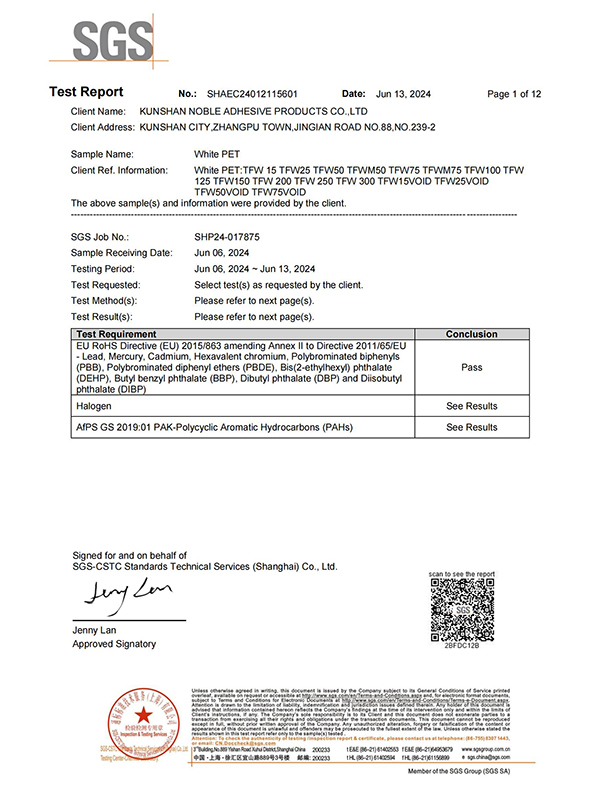
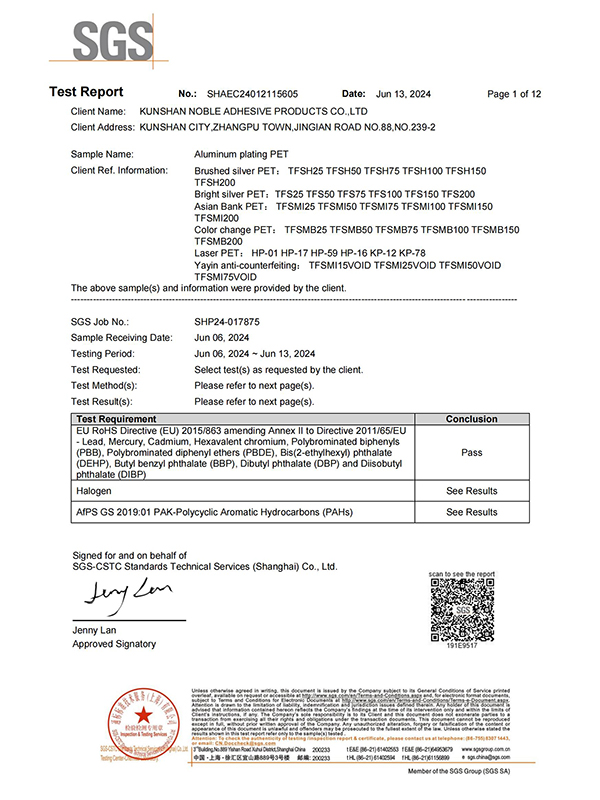
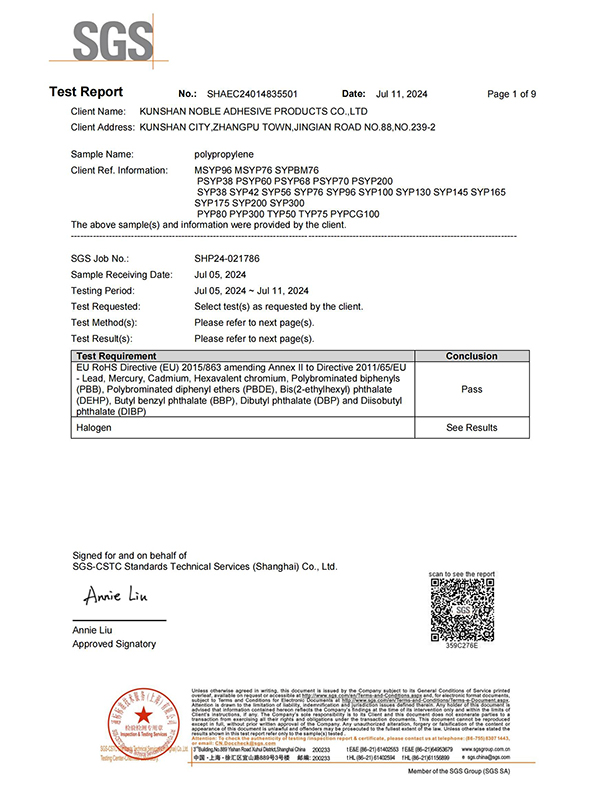
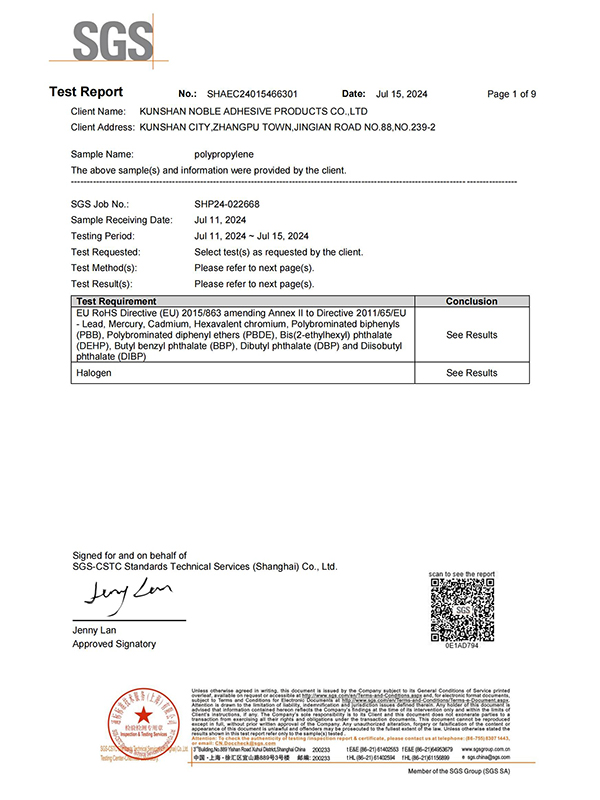
- Halogen-free certification: increasingly required by automotive OEMs to meet end-of-life vehicle directive compliance and to prevent halogenated gas generation in thermal event scenarios
Electrolyte Resistance Testing: What Qualifies a Functional Material for Battery Interior Use
Any tape, film, or adhesive product used inside a battery cell or in close proximity to electrolyte-wetted surfaces must pass electrolyte immersion testing before deployment. The standard protocol involves immersing coupon samples in a representative electrolyte solution — typically 1M LiPF₆ in a 1:1:1 EC/DMC/EMC mixture — at 60°C for 7 days, then measuring residual adhesion (peel force), tensile strength retention, and dimensional change. Materials that lose more than 20% of their initial peel force or show visible delamination, bubbling, or substrate dissolution are disqualified.
The failure modes seen in this testing reveal a clear pattern. Ester-based adhesive formulations are particularly vulnerable to transesterification reactions with carbonate solvents in the electrolyte, causing adhesive softening and cohesive failure. Water-based acrylic adhesives, while excellent in many other environments, can absorb trace moisture from electrolyte contact and lose shear resistance. Solvent-based acrylic systems with crosslinked polymer networks generally show the best combined electrolyte resistance and thermal aging performance for battery interior applications.
Beyond standard immersion testing, a more rigorous qualification considers the actual contact scenario. A termination tape at the end of an electrode winding is intermittently wetted as electrolyte fills the cell during production, then experiences long-term electrolyte vapor contact during operation. This is chemically different from continuous immersion, and materials that pass immersion testing may still fail under cyclic wet-dry conditions if their adhesive undergoes crystallization or phase separation during dry phases. Specifying materials that have been validated under application-representative conditions — rather than generic immersion protocols — is the more reliable qualification path for production programs.
