
 English
 русский
 Español
 عربى
عربى




Industry Knowledge
The Color Change Happens Through Layer Ablation, Not Ink
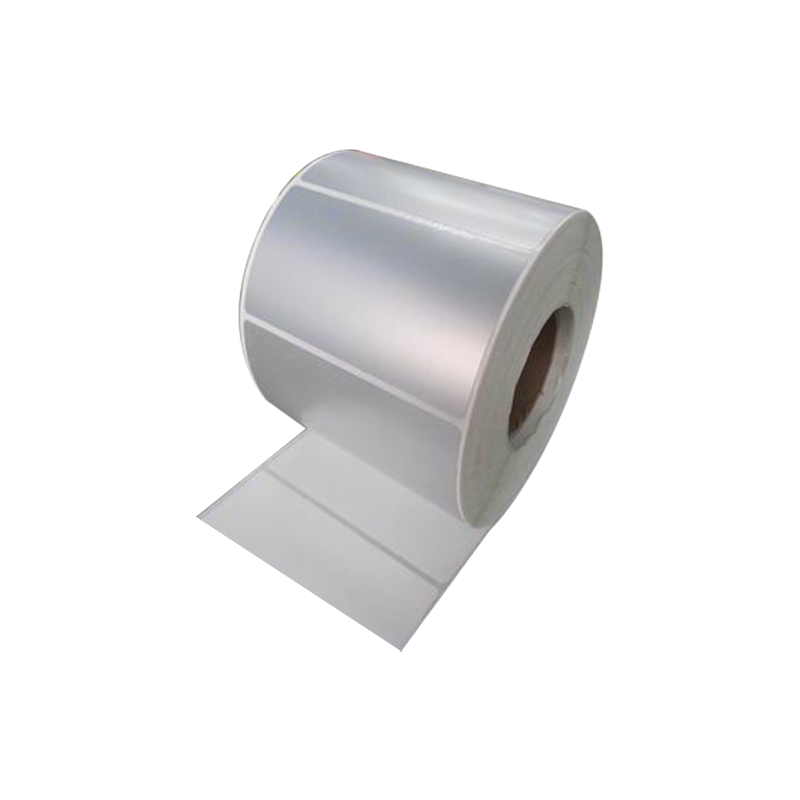
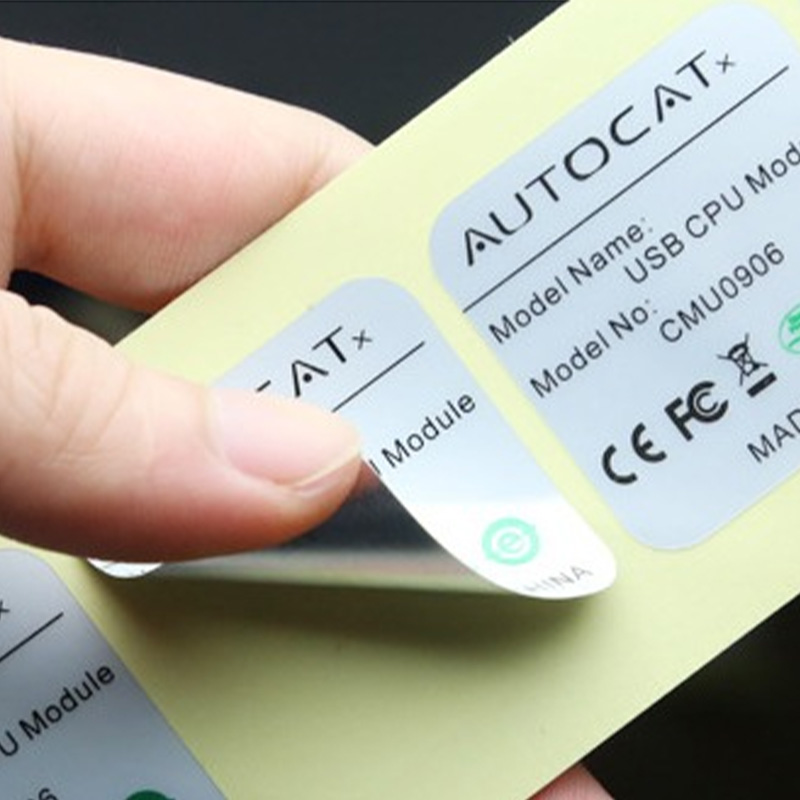
Matte Silver PET Film capable of color change relies on a laminated, multi-layer construction rather than a single-color surface. A matte silver top layer sits over a contrasting base color — most commonly black — and when a laser passes over the surface, it selectively ablates the silver layer at the point of contact, exposing the color underneath and creating high-contrast text, barcodes, or graphics without any ink, toner, or print head involved.
This is fundamentally different from printed labeling, since the mark is physically embedded within the film's layer structure rather than sitting on top of it. That structural difference is also why the resulting mark resists scratching, fading, and chemical wipe-off far better than a printed label — there's no surface ink layer for abrasion or solvents to remove.
Matte Texture Solves a Problem Glossy Metallic Film Can't
A high-gloss metallic surface looks striking under retail lighting but performs poorly on control panels, instrument faces, or outdoor equipment labels where reflection interferes with readability. Matte silver finishes scatter incoming light rather than reflecting it directly back at the viewer, which keeps printed or laser-marked text legible under overhead lighting, direct sun, or angled viewing that would wash out a glossy equivalent.
This makes matte finish a functional specification rather than a purely aesthetic one for applications like electrical panel labeling, appliance control interfaces, and outdoor equipment nameplates, where an operator needs to read a label quickly and from an angle, not just admire its finish in a showroom.
Laser Settings Determine Whether the Mark Reads Clean or Muddy
Getting a crisp color-change mark on layered film depends on matching laser power, pulse frequency, and speed to the specific thickness of the silver top layer. Too little energy leaves silver residue within the marked area, muddying the contrast against the base color. Too much energy can scorch or discolor the exposed base layer, or worse, damage the film's structural integrity at the mark site.
| Setting Condition | Typical Result |
|---|---|
| Power too low / speed too high | Incomplete layer removal, faint or streaky mark |
| Power too high / speed too low | Scorching, discoloration of base layer, edge distortion |
| Properly matched settings | Clean, high-contrast mark with sharp edges |
Because different laser marking systems and top-layer thicknesses respond differently, suppliers typically provide recommended parameter ranges alongside the film rather than a single fixed setting, and converters should run a test pattern before committing to a full production batch.
Adhesive Selection Depends on the Panel Substrate, Not Just the Film
Nameplates and control panel labels get applied to a wide range of substrates — powder-coated metal, textured plastic housings, brushed aluminum, and painted enclosures among them — and each surface presents a different bonding challenge. Powder-coated and textured surfaces in particular reduce actual contact area between the adhesive and substrate, which means a general-purpose adhesive that performs fine on smooth glass or acrylic can underperform badly once applied to a textured enclosure.
Why high-tack acrylic systems are the default choice
High-tack acrylic adhesives formulated for low-surface-energy and textured substrates maintain better initial grab and long-term bond strength across these uneven surfaces than standard permanent adhesives. For nameplates expected to remain legible and firmly attached for the full service life of the equipment, adhesive selection deserves the same attention as the film's marking layer itself.
Weathering and Chemical Exposure Change What "Durable" Actually Means
A label rated for indoor equipment doesn't automatically hold up outdoors, and the failure modes are different depending on the environment. Outdoor-exposed nameplates face UV degradation that can dull the silver layer's contrast over time, while indoor industrial applications more commonly face chemical exposure from cleaning agents, solvents, or oils that can attack the top coating or adhesive bond line long before UV becomes a factor.
- Outdoor equipment nameplates need UV-stabilized top coatings to prevent silver-layer dulling over multi-year service life
- Food processing and laboratory environments require resistance to caustic cleaning agents applied on a regular schedule
- Automotive and industrial equipment labels frequently need oil and solvent resistance beyond standard chemical resistance ratings
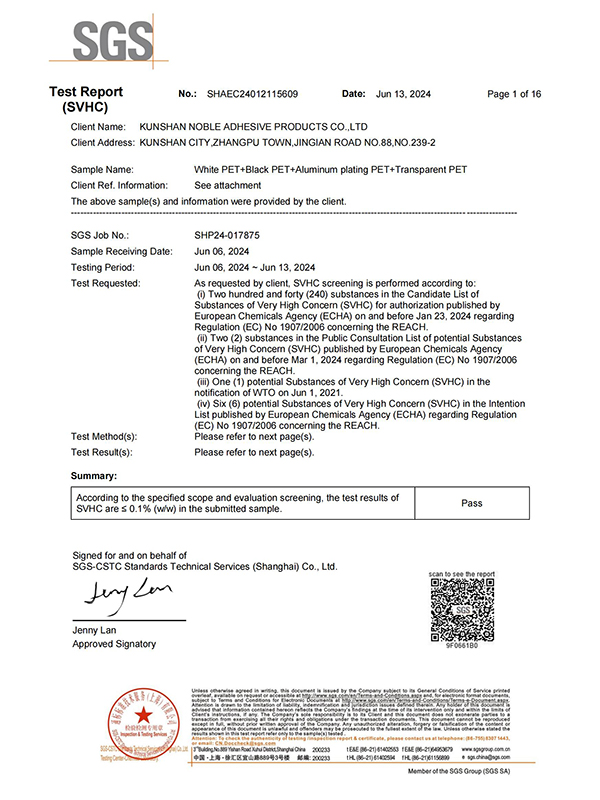
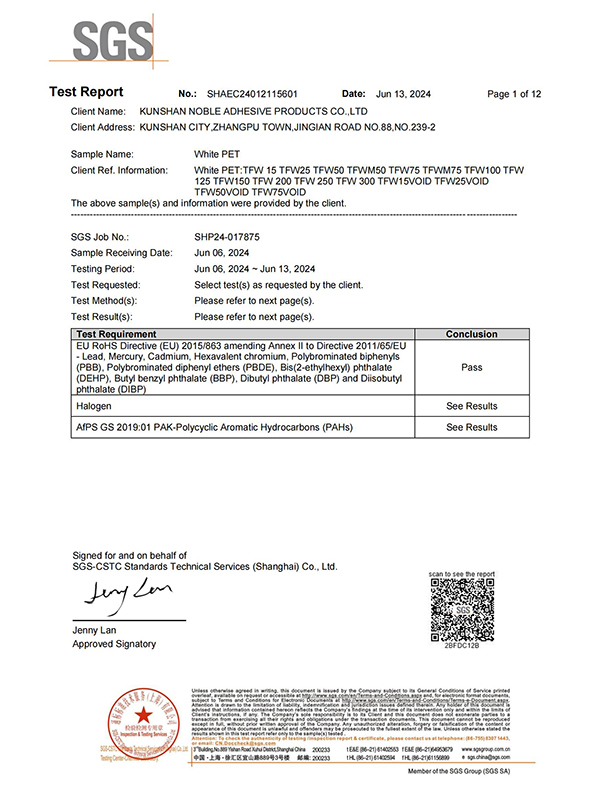
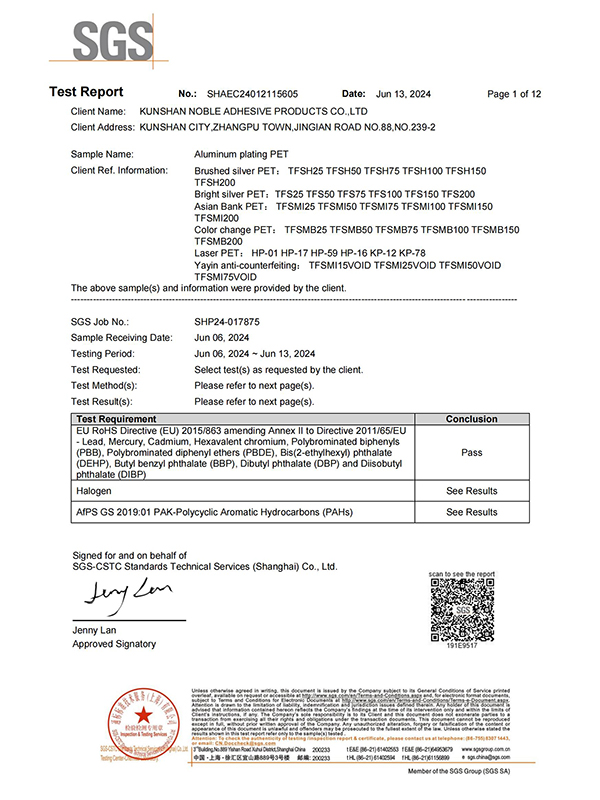
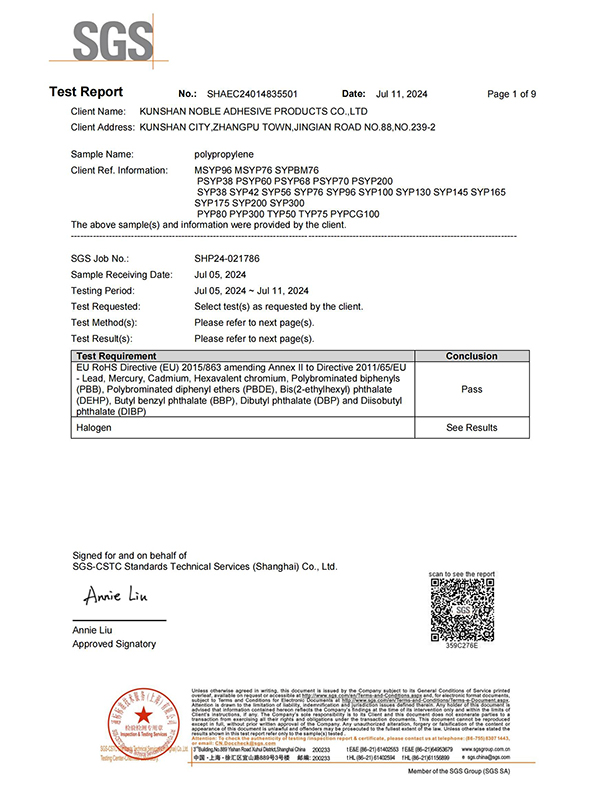
Specifying durability requirements against the actual environment a nameplate will face, rather than a generic durability claim, avoids premature failures that show up months after installation rather than during initial testing.
Coating Development Is Tailored to Each Customer's Marking Equipment and Surface
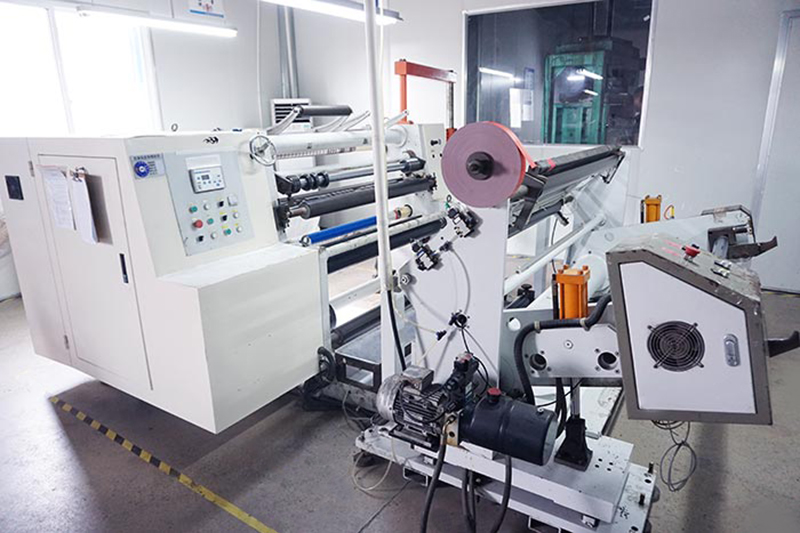
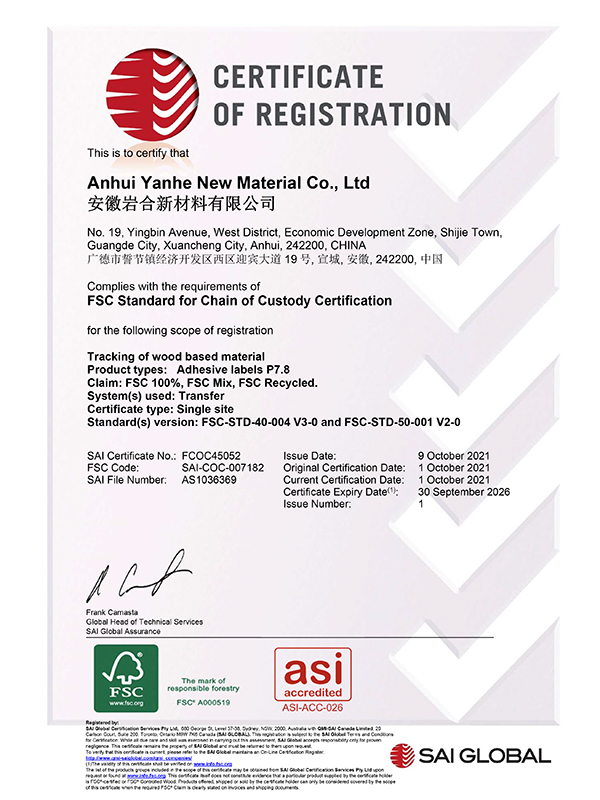
Anhui Yanhe New Material Co., Ltd., founded in 2012 and operating from a 17-acre production site in Guangde Economic Development Zone West, develops Matte Silver PET Film(Can Change Color) as part of its broader work in specialty labeling materials and functional tapes for the electronics industry. Rather than supplying a single fixed layer structure, the company applies corresponding surface coatings based on each customer's functional requirements — adjusting top-layer thickness, base color, matte texture level, and adhesive system according to the target substrate and the specific laser marking equipment the customer runs in production.
For customers requiring Custom Matte Silver PET Film(Can Change Color), this typically involves validating laser parameters against the customer's actual marking hardware before finalizing layer specifications, rather than shipping a generic film and leaving process tuning entirely to the customer's production floor. Because the company collaborates with universities and research institutions on new material development, layer structure and coating adjustments for non-standard nameplate or panel applications remain achievable outside a fixed catalog specification.
