
 English
 русский
 Español
 عربى
عربى


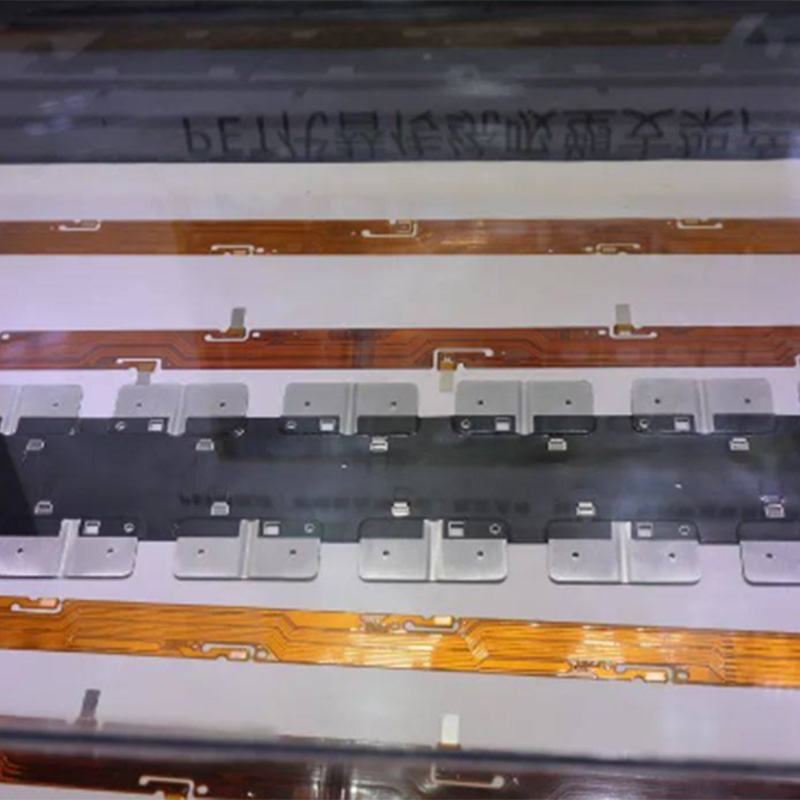
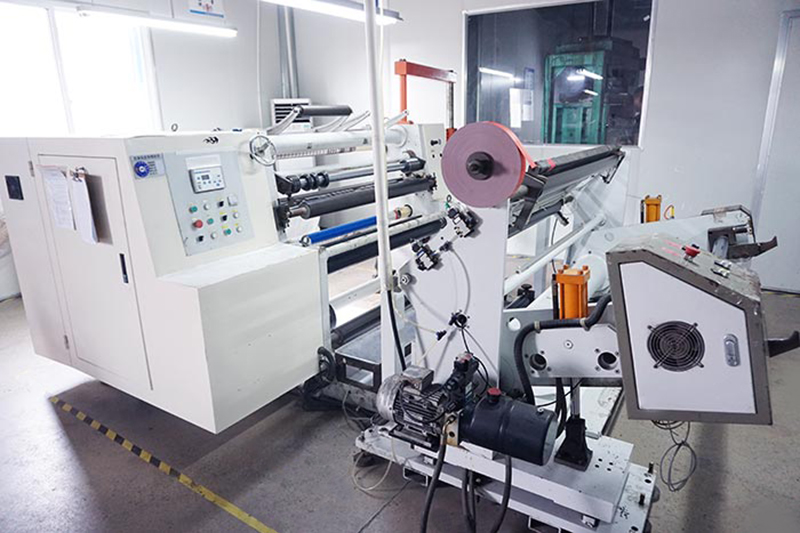


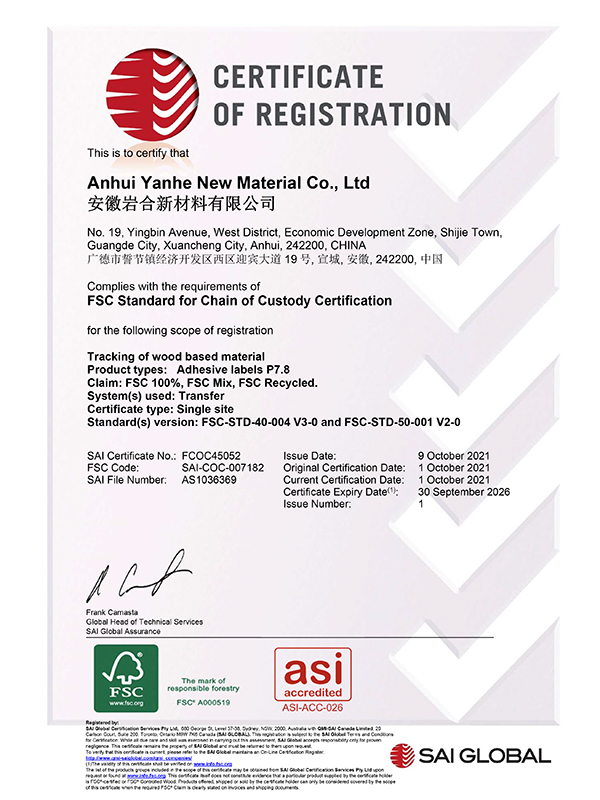
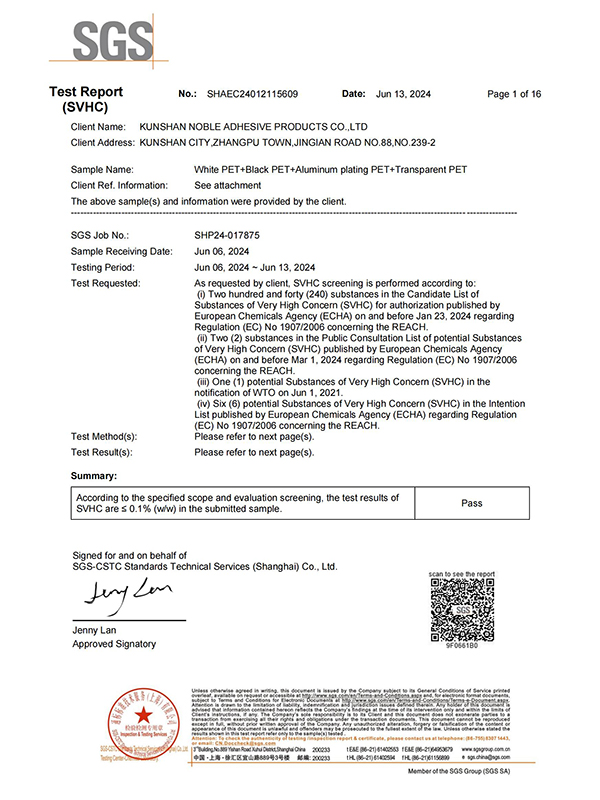
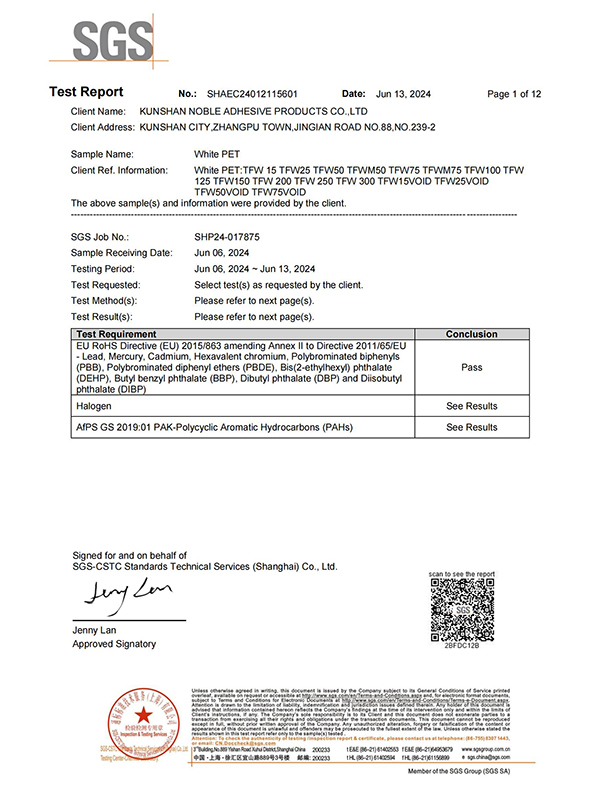
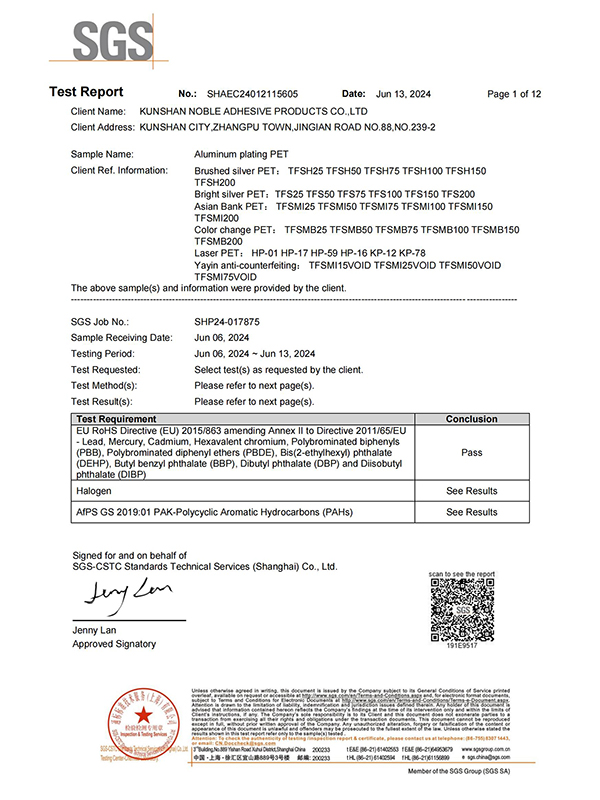
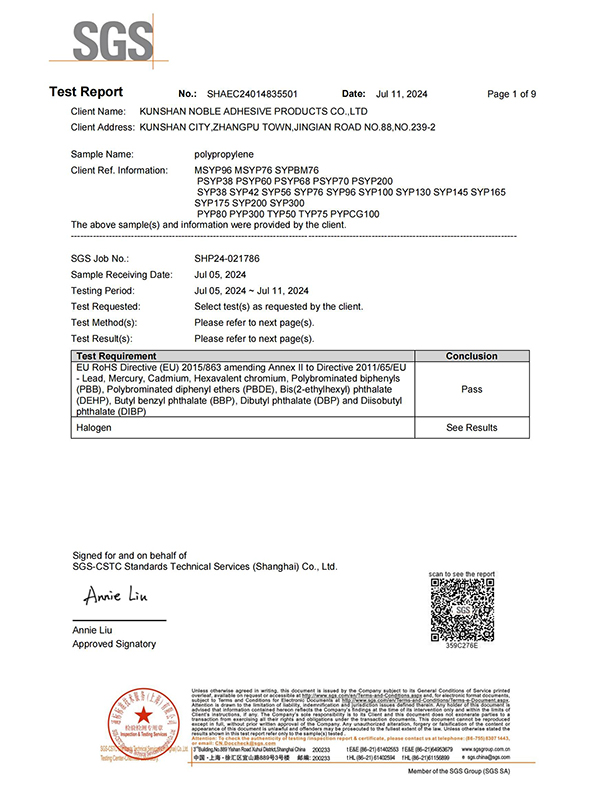
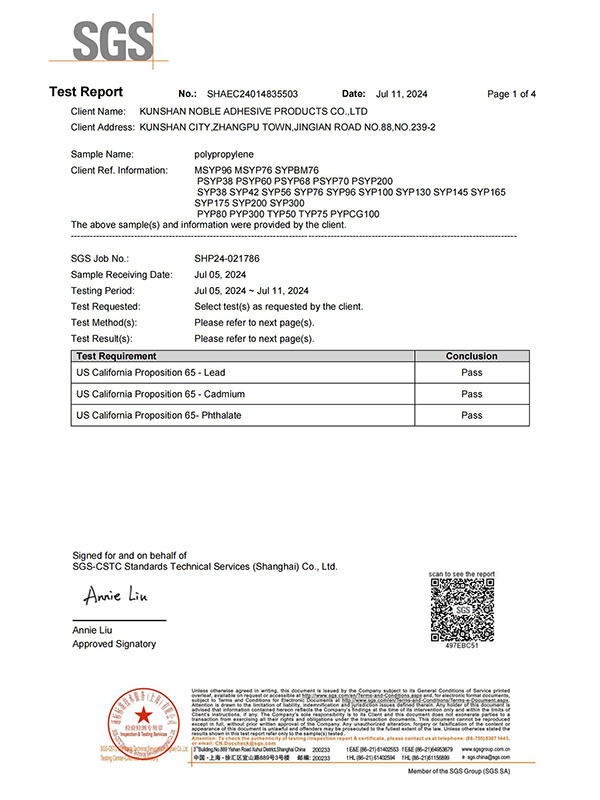

Partial Discharge Behavior in Multilayer CCS Hot Pressing Film Stacks
In high-voltage battery module applications, the dielectric integrity of CCS Hot Pressing Film is not solely determined by bulk breakdown voltage. Partial discharge (PD) can initiate within micro-voids at the film-to-busbar interface, particularly where surface roughness of the nickel-plated copper creates air gaps during lamination. Once PD inception voltage is exceeded, repeated micro-discharges erode the polymer matrix through electron bombardment and localized thermal degradation, eventually forming carbonized treeing channels. Anhui Yanhe New Material Co., Ltd. addresses this through precision surface coating technologies that fill substrate asperities and minimize void formation during the hot pressing cycle, drawing on the Company's specialized expertise in functional tapes for the electronics industry.
Several factors govern PD resistance in these systems, and understanding them helps engineers specify the correct film grade for a given cell module architecture:
- Substrate surface roughness (Ra) directly correlates with void density; nickel-plated busbars with Ra above 1.5 μm require conformal adhesive layers with sufficient melt flow to achieve void-free encapsulation, a capability embedded in the Company's customized Custom CCS Hot Pressing Film formulations.
- Film thickness uniformity across the pressed area affects field distribution; thickness variations exceeding ±5% can create localized field enhancement zones where PD initiates at voltages 15–20% below the nominal inception threshold.
- Residual stress from differential cooling between the copper conductor and the polymer film introduces micro-delamination sites over thermal cycling, which is why Anhui Yanhe New Material Co., Ltd. incorporates stress-relaxation modifiers into its proprietary adhesive systems based on extensive collaboration with universities and scientific research institutions at home and abroad.
- The glass transition temperature (Tg) of the film's base polymer determines the temperature window where the material retains sufficient modulus to resist PD under operational heat loads, a parameter that the Company's R&D team actively optimizes for each customer's specific thermal environment.
Interfacial Adhesion Mechanisms Between CCS Hot Pressing Film and Dissimilar Substrates
Reliable adhesion in CCS Hot Pressing Film assemblies depends on a nuanced interplay of chemical bonding, mechanical interlocking, and viscoelastic energy dissipation. When the film is pressed onto a nickel-coated copper busbar under heat and pressure, the adhesive layer must simultaneously wet the metal oxide surface, penetrate micro-roughness features, and establish covalent or hydrogen bonds with surface hydroxyl groups. The background of Anhui Yanhe New Material Co., Ltd. in developing specialty labeling materials and adhesive products for various functional film materials provides a deep reservoir of formulation know-how that directly benefits customers seeking robust, long-lifetime bonding solutions.
Surface Energy Considerations for Pre-Treatment Optimization
Practical surface preparation before lamination can dramatically shift adhesion outcomes. A substrate surface energy below 38 dynes/cm will resist proper wetting by most acrylic-based hot press adhesives, leading to edge delamination after thermal shock testing. Plasma or corona treatment raising the surface energy above 50 dynes/cm creates a reactive surface that forms durable chemical links with the film's functional coating. The Company's integrated solutions approach includes recommending compatible pre-treatment protocols based on the specific substrate metallurgy and storage history, ensuring that the full potential of the Custom CCS Hot Pressing Film is realized in production.
Mechanical Interlocking at the Microscale
Beyond chemistry, the physical penetration of the adhesive into substrate porosity and grain boundary grooves contributes a substantial fraction of the total peel strength. Electro-deposited nickel surfaces exhibit a characteristic nodular morphology with feature sizes ranging from 0.5 to 3 μm, which provides an ideal anchoring profile when the hot pressing film's flow characteristics are tuned to fill these features within the available dwell time. Anhui Yanhe New Material Co., Ltd. leverages its industry-advanced new material research and development technologies to characterize substrate topography and match film rheology accordingly, a customized manufacturing capability that generic film suppliers rarely offer.
Process Window Interactions in Hot Pressing for CCS Film Lamination
Temperature, pressure, and dwell time do not act independently during CCS Hot Pressing Film lamination; they form a coupled parameter space where adjustments to one variable shift the optimal range of the others. A common pitfall is increasing temperature to shorten cycle time without correspondingly adjusting pressure, which can cause the adhesive to cure before full wetting is achieved, leaving interfacial voids that compromise both electrical insulation and thermal conductivity. Drawing on its experience with functional tapes for the electronics industry, Anhui Yanhe New Material Co., Ltd. provides detailed process development support that maps these interactions for each Custom CCS Hot Pressing Film grade.
The table below summarizes typical process parameter ranges and their interrelated effects, based on data accumulated through the Company's collaborative research programs with academic institutions:
| Process Parameter | Typical Operating Range | Primary Effect | Interdependence Note |
|---|---|---|---|
| Platen Temperature | 130°C – 180°C | Controls adhesive melt viscosity and cure kinetics | Higher temperature allows lower pressure but narrows the available dwell window before over-cure |
| Applied Pressure | 0.5 – 3.0 MPa | Drives adhesive flow into surface topography | Excessive pressure at high temperature can squeeze out the adhesive layer, creating thin spots prone to dielectric failure |
| Dwell Time | 30 – 300 seconds | Determines degree of cure and interfacial bond development | Must be matched to the specific cure kinetics of the film; under-cure leads to creep under thermal load, over-cure causes embrittlement |
| Cooling Rate | 5 – 30°C/min (controlled) | Influences residual stress and crystallinity in semi-crystalline films | Rapid cooling can freeze-in orientation stress that relaxes during subsequent thermal cycling, causing warpage |
These parameter windows are not universal constants; they shift depending on the film's specific formulation, the busbar geometry, and even the thermal mass of the pressing fixture. The Company's customized manufacturing capabilities allow formulation adjustments that broaden the process window, reducing scrap rates in high-volume production environments where cycle-to-cycle consistency is paramount.
Thermal Expansion Mismatch Management in CCS Hot Pressing Film Assemblies
Copper busbars exhibit a coefficient of thermal expansion (CTE) of approximately 17 ppm/°C, while the polymer layers in a typical CCS Hot Pressing Film range from 50 to 150 ppm/°C depending on the base resin and filler loading. Over a temperature swing from −40°C to +125°C—a common automotive qualification range—this mismatch generates significant interfacial shear stress that can initiate delamination or cracking. The design of the film must therefore balance the competing demands of high CTE for conformability during pressing against low CTE for long-term dimensional stability. Anhui Yanhe New Material Co., Ltd. addresses this through the incorporation of inorganic filler systems and through the application of corresponding surface coatings based on the functional requirements of customers' different surfaces, a core competency developed through the Company's work in specialty labeling materials.
Practical mitigation strategies that the Company helps customers implement include selecting film grades with CTE values tailored to the specific busbar alloy, designing edge geometries that reduce stress concentration, and specifying post-lamination annealing steps that relax residual orientation stress before the assembly enters service. These integrated solutions draw on the full breadth of the Company's material science expertise and its ability to collaborate with scientific research institutions on complex multi-physics problems.
Shelf Life Determinants and Storage Protocol for Unprocessed CCS Hot Pressing Film
The functional performance of CCS Hot Pressing Film can degrade measurably during storage if environmental conditions are not controlled, even when the material remains within its nominal shelf life. Moisture absorption by the adhesive layer is a primary concern, as absorbed water vaporizes during the hot pressing cycle and creates blister defects that are often invisible to the naked eye but detectable through partial discharge testing. Anhui Yanhe New Material Co., Ltd. packages its Custom CCS Hot Pressing Film in moisture-barrier packaging with desiccant indicators and recommends storage at 10°C–25°C with relative humidity below 60%, a protocol derived from the Company's extensive experience in functional tapes for the electronics industry where contamination control is non-negotiable.
Another often-overlooked factor is the slow ambient crosslinking that can occur in partially advanced adhesive systems. Films stored at temperatures above 30°C for extended periods may exhibit reduced melt flow and compromised wetting during subsequent pressing, even though the material appears unchanged. The Company's batch-specific technical data sheets provide real-time rheological aging curves that allow customers to adjust process parameters to compensate for storage-induced changes, exemplifying the commitment to providing integrated solutions for functional materials throughout the product lifecycle.
