
 English
 русский
 Español
 عربى
عربى





Industry Knowledge
How Surface Coating Chemistry Determines Label Material Performance
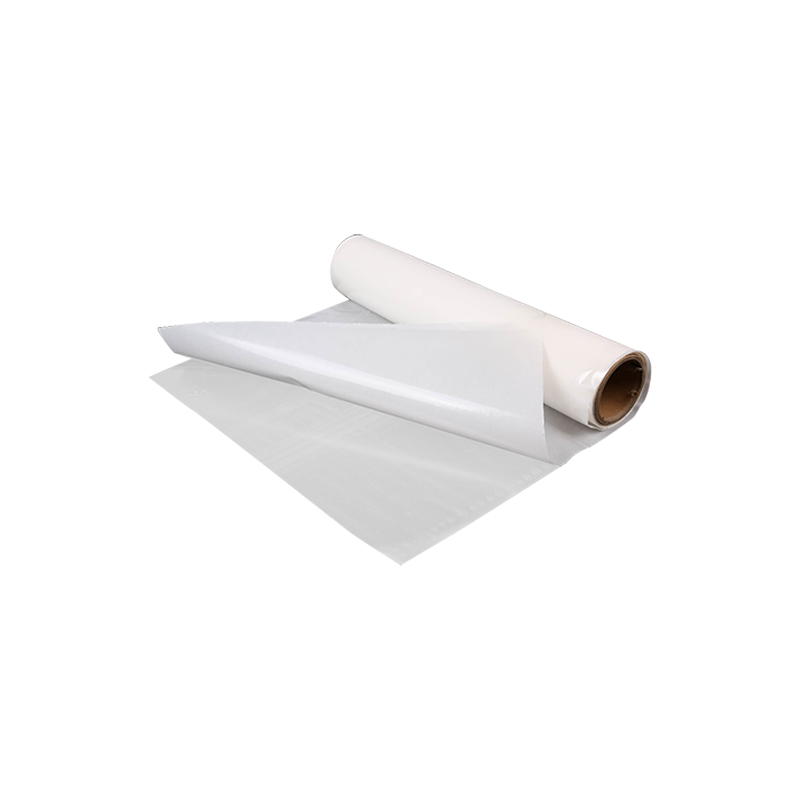
The facestock of a label is only as effective as the coating applied to it. Surface coatings serve multiple simultaneous functions: they control ink receptivity, regulate adhesion strength, provide chemical resistance, and dictate how a label behaves under mechanical stress. At Anhui Yanhe New Material Co., Ltd., surface coatings are engineered based on the specific functional requirements of different substrates — whether the target surface is a curved plastic container, a metal electronics component, or a film layer in a multilayer tape construction.
The most commonly applied coating chemistries in specialty label material manufacturing include:
- Acrylic dispersion coatings — used where UV resistance, long-term clarity, and broad temperature tolerance are required. Acrylic systems maintain stable peel strength across a range from –40°C to 120°C and resist yellowing under prolonged UV exposure.
- Silicone release coatings — applied to liner substrates to control the precise force needed to peel the label from the release liner. The coating weight and cross-link density directly govern release values, typically measured in grams per centimeter of peel width.
- Thermal-sensitive coatings — composed of a color former, developer, and sensitizer layer system. A top protective coating is often added to shield against plasticizer migration, oils, and UV degradation that would otherwise bleach printed content.
- Primer coatings — thin adhesion-promoter layers applied between film substrates and pressure-sensitive adhesives to increase bond strength without altering the final surface chemistry.
Coating application methods — including roll coating, slot die, and curtain coating — each produce different coating weight uniformity profiles. Roll coating is standard for high-volume commodity labels, while slot die coating is preferred for functional film materials where coating thickness precision within ±0.5 µm is critical, particularly in electronics-grade applications.
Pressure-Sensitive Adhesive Construction: What Changes Between Application Scenarios
Pressure-sensitive adhesive (PSA) label systems adhere on contact without heat or solvent activation, but the engineering behind different PSA constructions is far from uniform. The three principal adhesive polymer bases — acrylic, rubber, and silicone — each carry distinct trade-offs that determine suitability for specific use cases.
| Adhesive Base | Temperature Range | Chemical Resistance | Typical Application |
| Acrylic | –40°C to 150°C | High (solvents, plasticizers) | Electronics, durable goods labeling |
| Rubber (natural/synthetic) | –20°C to 80°C | Moderate | General packaging, cold-chain logistics |
| Silicone | –70°C to 260°C | Very high (oxidizing agents, UV) | High-temperature industrial, medical autoclave |
Beyond polymer chemistry, adhesive tack, peel strength, and shear resistance are all independently adjustable through crosslink density, molecular weight distribution, and the use of tackifier resins. A high-tack formulation prioritizes initial contact bond for low-energy surfaces like polyolefins (surface energy typically below 35 mN/m), while a high-shear formulation is tuned for applications where the label must resist creep under sustained load — such as name plates on vibrating machinery or sealing tapes in electronics assembly.
For Custom Label Material orders, specifying adhesive performance requirements by peel angle (90° vs. 180°), dwell time, and substrate surface energy provides far more actionable information to the manufacturer than general terms like "permanent" or "strong."
Functional Tapes for Electronics: Performance Parameters That Actually Matter
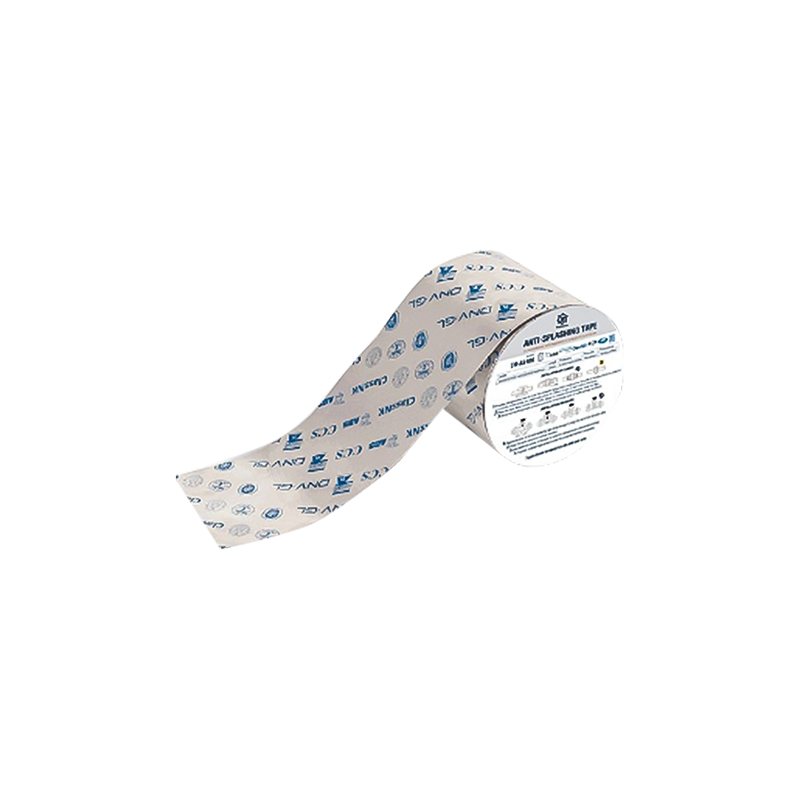
Electronics-grade functional tapes are a distinct category from general-purpose label tapes, governed by much tighter tolerances across electrical, thermal, and mechanical properties. As a China Label Material Manufacturer serving the electronics sector, Anhui Yanhe New Material Co., Ltd. develops tapes engineered to meet PCB assembly, battery pack, and flat-panel display manufacturing requirements — where material failures are not cosmetic but functional.
Key performance parameters for electronics functional tapes:
- Dielectric strength — measured in kV/mm, this determines whether a tape can function as an electrical insulator between conductive surfaces. Polyimide-based tapes typically offer dielectric strengths above 150 kV/mm, making them standard in high-voltage PCB masking and transformer coil wrapping.
- Thermal conductivity vs. thermal insulation — these are opposing functional requirements. Thermally conductive tapes (using fillers such as boron nitride or alumina) are used in heat dissipation paths near chips, while thermally insulating tapes protect heat-sensitive components in proximity to heat sources.
- Residue-free removal — in SMT masking applications, tape must be removable after reflow soldering (typically 260°C peak temperature) without leaving adhesive residue on gold-plated or tinned contact pads. This is controlled through crosslink density and high-temperature resistant adhesive formulations.
- Thickness tolerance — in battery cell stacking and flat-panel bonding, tape thickness variation exceeding ±5 µm can cause pressure imbalances across the assembled stack. Electronics-grade tapes are manufactured to tighter caliper tolerances than commodity products.
- Outgassing — tapes used inside sealed electronic enclosures must meet outgassing standards (such as NASA ASTM E595) to prevent contamination of optical or sensor components from volatiles released under heat and vacuum conditions.
Functional Film Materials: Beyond Decoration Into Active Performance
Functional film materials are distinct from decorative or print-bearing label stocks in that the film substrate itself contributes an active property — whether that is barrier performance, optical function, electromagnetic shielding, or structural reinforcement. The adhesive products for various functional film materials developed at Anhui Yanhe New Material Co., Ltd. are designed around the premise that substrate and adhesive must be co-engineered, not selected independently.
Several film substrate types dominate functional label and tape constructions across industries:
- Biaxially oriented polyester (BOPET) — offers a high tensile modulus (typically 4–5 GPa), dimensional stability across temperature cycles, and excellent solvent resistance. Used as the carrier for precision die-cut gaskets, circuit board insulation, and high-performance label facestocks where dimensional accuracy under thermal cycling is required.
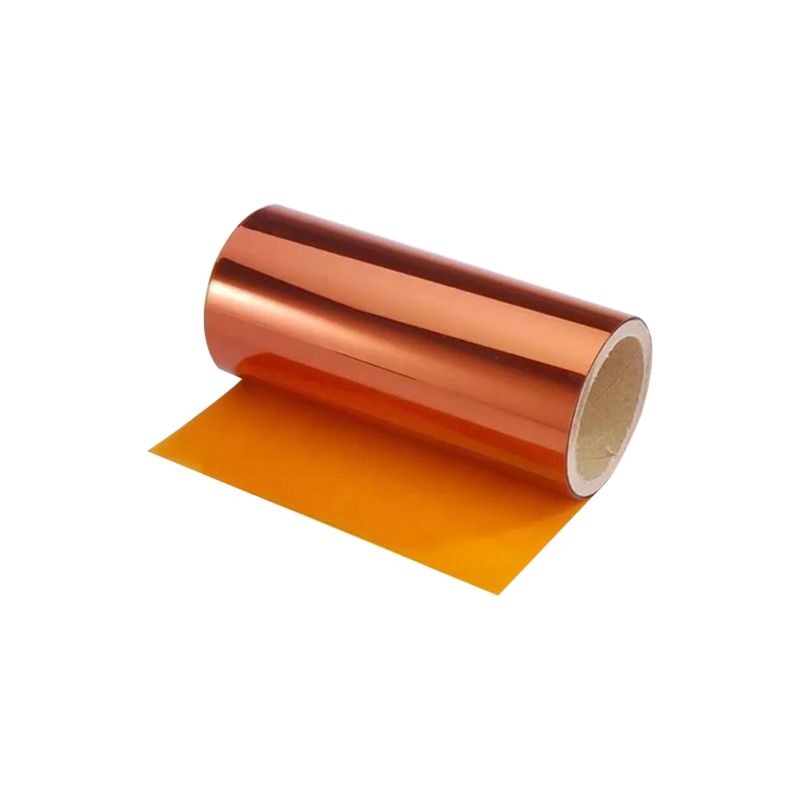
- Polyimide (PI) film — the benchmark for high-temperature continuous-use applications, stable up to 400°C for short durations. Inherently low outgassing, chemically inert, and radiation-resistant. Standard in aerospace, semiconductor manufacturing, and flexible printed circuit (FPC) substrates.
- Ultra-thin PET (4–25 µm) — used in optical clarity applications such as display protection films, lens bonding tapes, and touchscreen lamination. Achieving consistent adhesive coat-weight on sub-10 µm substrates requires precision slot die coating and web tension control beyond the capability of standard converting lines.
- Metallized films — aluminum- or copper-sputtered films that function as EMI shielding tapes. Shielding effectiveness (SE) is measured in decibels across frequency ranges and depends on both the metallization thickness (typically 50–200 nm) and the quality of edge-to-edge contact in assembled configurations.
The selection of release liner for functional film constructions is also more constrained than in general labeling. Thin films under 25 µm are prone to wrinkling if paired with a liner of mismatched stiffness or thermal expansion coefficient, leading to defects in automated dispensing and robotic placement systems.
Customized Manufacturing Capabilities: What Technical Customization Actually Involves
The phrase "Custom Label Material" covers a much broader engineering scope than simply adjusting print dimensions or color. For specialty material manufacturers like Anhui Yanhe New Material Co., Ltd. — operating as both a Label Material Factory and an R&D-driven materials developer in collaboration with universities and scientific research institutions — customization typically operates at several simultaneous levels.
Levels of Technical Customization
- Substrate modification — altering base film surface energy via corona, plasma, or flame treatment to enable adhesion of otherwise non-wettable coatings. For fluoropolymer films (PTFE, PVDF), surface energy can be raised from ~18 mN/m to above 40 mN/m through plasma treatment, enabling direct adhesive lamination without a primer.
- Adhesive formulation adjustment — reformulating crosslink ratios, tackifier content, or adding functional additives (antistatic agents, flame retardants, conductive fillers) to tailor adhesive performance for a customer's specific process or end-use environment.
- Multi-layer laminate construction — combining two or more functional films into a single-web construction using adhesive lamination. For example, bonding a thermally conductive film to an electrically insulating carrier with a specified bond strength, total caliper, and peel behavior at operating temperature.
- Converting precision — die-cutting to customer-specified tolerances, slitting to narrow widths for tape spooling, or producing kiss-cut sheets where individual labels release cleanly while the liner remains continuous for automated dispensing.
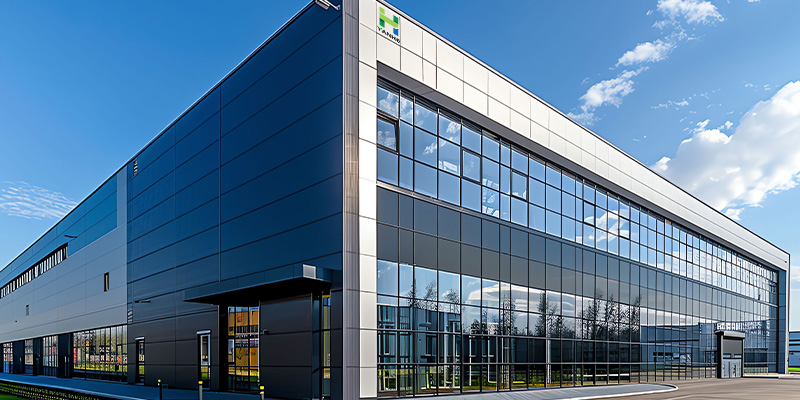
Founded in 2012 and located on a 17-acre site in Guangde Economic Development Zone West, Anhui Yanhe New Material Co., Ltd. has structured its production infrastructure around the flexibility required for short-run custom development alongside high-volume manufacturing — enabling customers to prototype and scale within the same supply chain without reformulation risk.
Specialty Labeling Materials for Extreme Environments: Parameters to Specify Upfront
When procuring specialty labeling materials for demanding industrial or electronics environments, the most common procurement error is under-specifying the application conditions. General terms like "heat-resistant" or "chemical-resistant" are insufficient without corresponding numeric boundaries. The table below outlines the critical parameters that should be defined before material selection begins.
| Parameter Category | What to Specify | Why It Matters |
| Temperature | Continuous service temp + peak temp (duration) | Short peaks above service limit may degrade adhesive without immediate failure |
| Surface Energy | Substrate material + surface treatment status | Determines minimum adhesive tack requirement and primer necessity |
| Chemical Exposure | Specific chemicals, concentration, exposure duration | Acrylic adhesives resist most organics; rubber-based adhesives do not |
| Mechanical Stress | Shear load, vibration frequency, flex cycles | Repeated flexing degrades peel adhesion via cohesive failure in the adhesive layer |
| Removability | Clean removal required after X months / at Y°C | Adhesive crosslinks continue to form over time; removal window narrows with dwell |
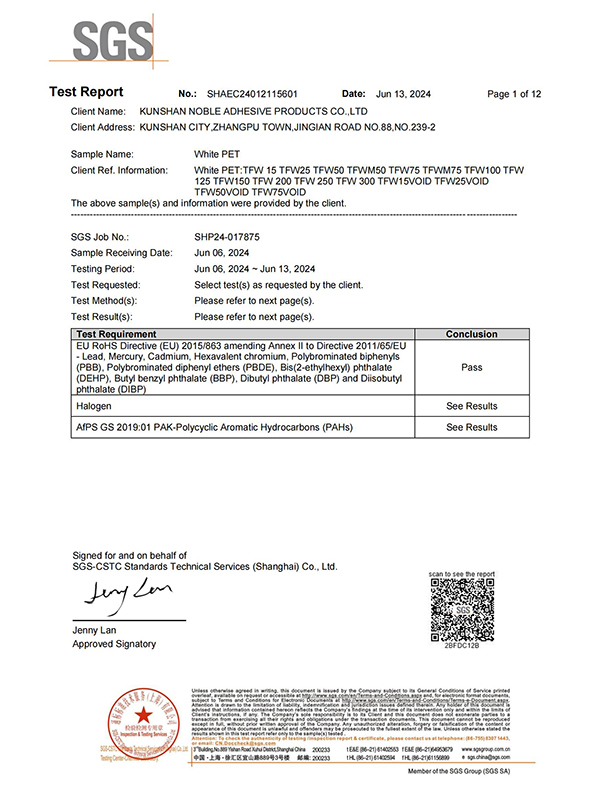
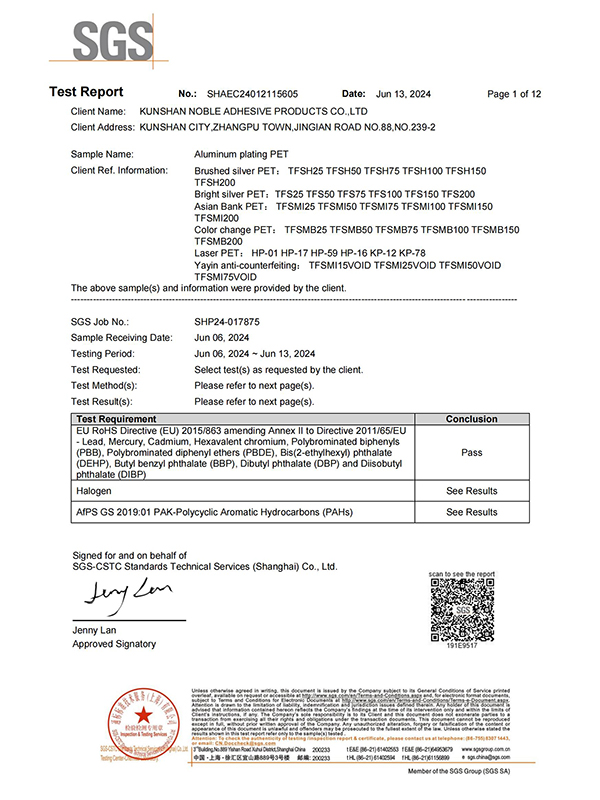
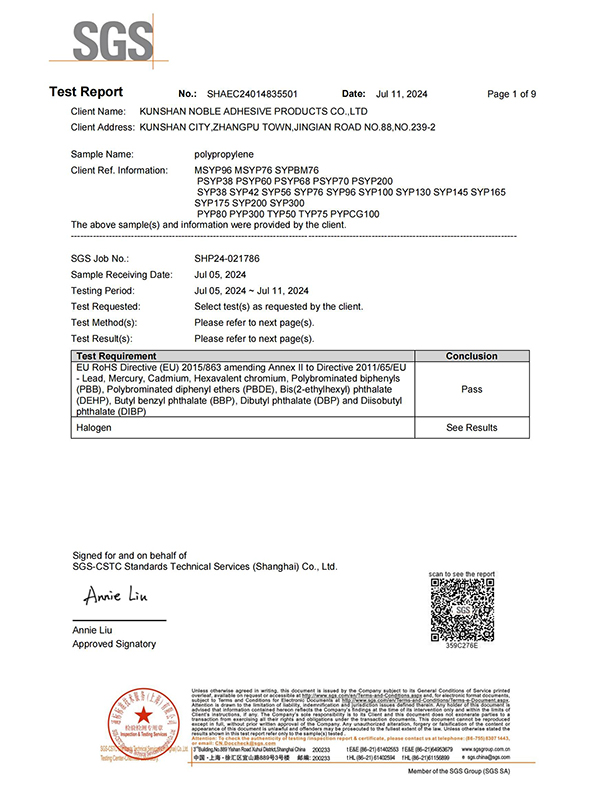
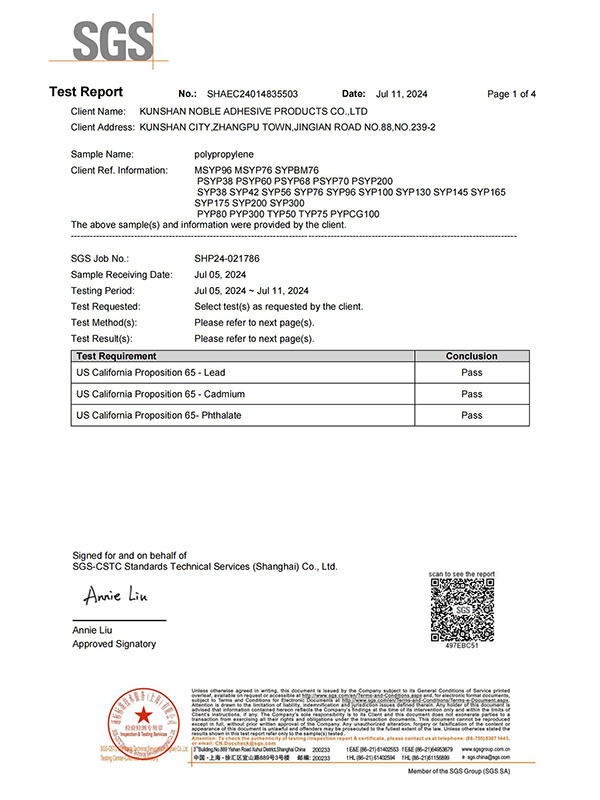
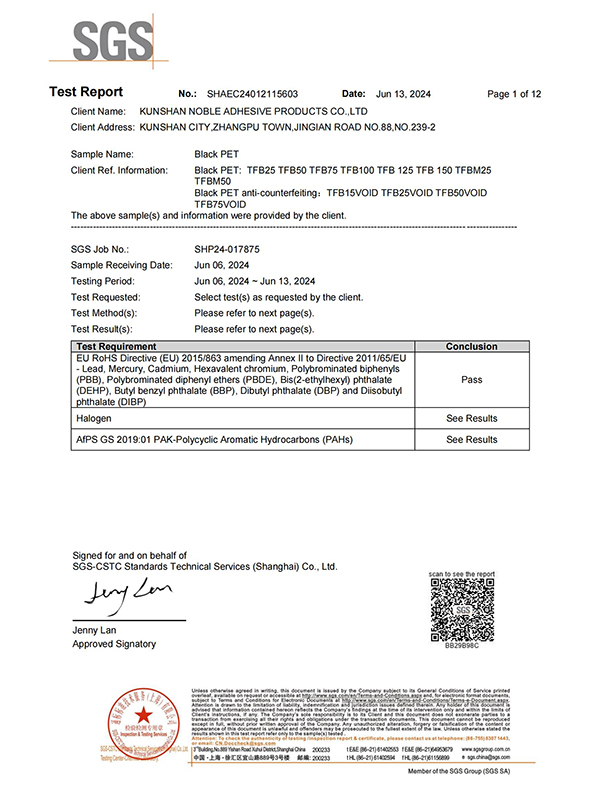
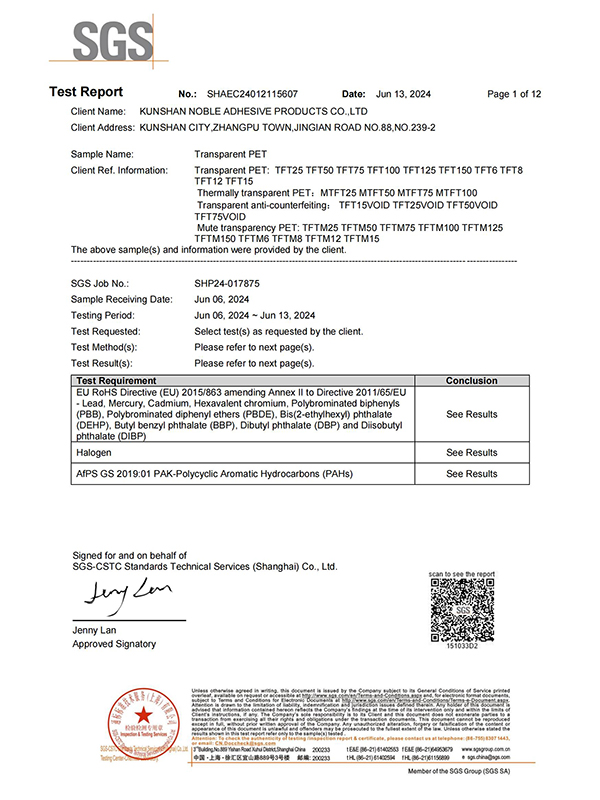
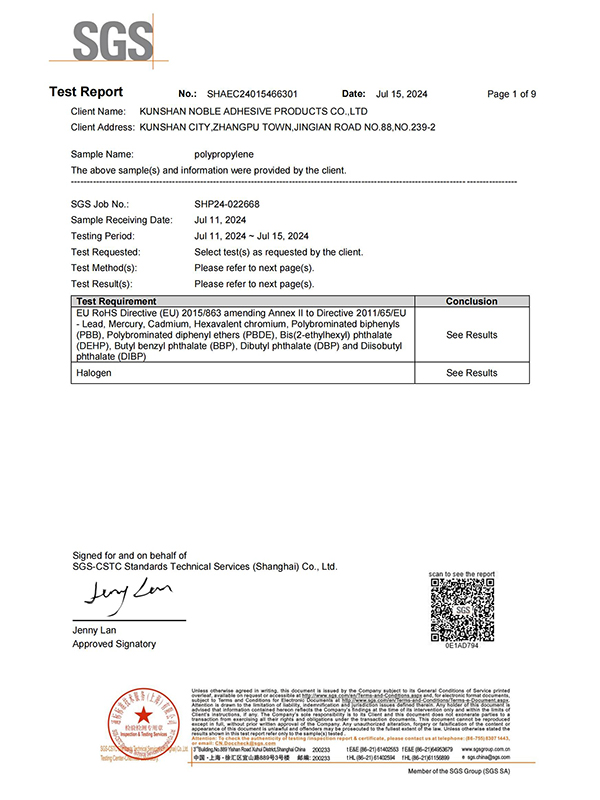
| Regulatory Compliance | RoHS, REACH, UL, FDA contact requirements | Halogen-free formulations may affect adhesive options and coating chemistry |
Providing this matrix to a Label Material Factory at the inquiry stage significantly accelerates sample development cycles and reduces the risk of material substitution during production ramp-up. As China Label Material Manufacturers serving technically demanding customers, Anhui Yanhe applies corresponding surface coatings based on each customer's specific functional surface requirements — a process that depends entirely on the quality of the technical specification provided at the outset.
