
 English
 русский
 Español
 عربى
عربى





Industry Knowledge
Why Adhesive Chemistry Decides How PVC Adhesive Film Actually Performs
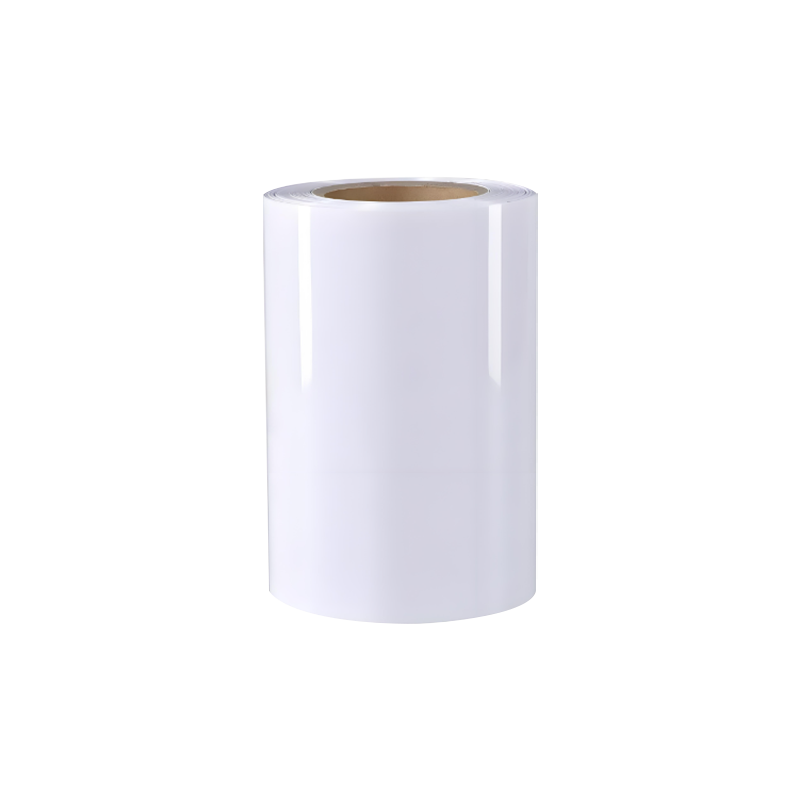
Two rolls of PVC Adhesive Film can look identical off the shelf and still behave completely differently once applied. The variable is almost always the adhesive chemistry bonded to the vinyl backing, not the vinyl itself. Rubber-based systems deliver strong initial tack and grab fast on rough or slightly oily surfaces, which makes them a common choice for temporary or short-run labeling. Over months of UV or heat exposure, though, rubber adhesives tend to oxidize, yellow, and lose cohesion — a real problem for any film meant to stay outdoors or under industrial lighting for years.
Acrylic adhesive systems trade a bit of that initial tack for long-term stability. They resist UV breakdown, hold up against moderate solvent exposure, and maintain bond strength across a wider temperature range, which is why most permanent industrial and electronics-grade PVC film specifications default to acrylic chemistry. Anhui Yanhe New Material Co., Ltd. builds its coating lines around this distinction, selecting adhesive systems by end-use environment rather than defaulting to one formulation across every product line.
| Property | Rubber-Based Adhesive | Acrylic Adhesive |
|---|---|---|
| Initial tack | Very high | Moderate to high |
| UV and weathering resistance | Weak | Strong |
| Long-term aging | Yellows, loses cohesion | Stable for years |
| Typical use case | Short-term, rough surfaces | Permanent, outdoor, industrial |
Release Liner Selection Is a Hidden Driver of Converting Efficiency
Buyers evaluating PVC Adhesive Film tend to focus entirely on the facestock and adhesive, overlooking the release liner underneath — yet the liner controls almost everything that happens during printing, die-cutting, and dispensing. Paper liners are cost-effective and work fine for standard-speed converting, but they absorb ambient humidity, which can cause the vinyl above it to curl or wave and throw off feed accuracy on high-speed presses.
Film liners, typically PET-based, hold dimensional stability under those same conditions and are the better choice for precision die-cutting or automated application equipment. The silicone release coating weight also matters more than most specifiers realize: too light, and the liner resists separation during unwinding; too heavy, and adhesive transfer becomes inconsistent across the roll. A liner mismatch rarely shows up as an obvious defect — it shows up as intermittent line stoppages that converters spend hours troubleshooting before tracing the cause back to the base material.
Surface Conformability on Curved and Textured Substrates
One property that consistently separates vinyl from rigid film alternatives is conformability. Where PET or polycarbonate films tend to bridge across contours and leave the label prone to edge lifting, a properly formulated PVC Adhesive Film stretches and settles into curved, ribbed, or textured surfaces without flagging at the corners. This is why vinyl remains the standard choice for cylindrical containers, corrugated equipment housings, and irregular enclosures in electronics assembly, where a flat film would visibly lift within weeks.
Conformability isn't just a function of the base plasticized vinyl — plasticizer type and loading level determine how much elongation the film retains before it becomes brittle. Higher plasticizer content increases flexibility but can accelerate migration into the adhesive layer over time, which is why formulation and application environment need to be considered together rather than as separate specifications.
Functional Coatings Extend PVC Adhesive Film Beyond Basic Labeling
Standard vinyl labeling stock covers a wide range of applications, but electronics manufacturers frequently need properties that a plain facestock and adhesive combination can't deliver on its own. Surface coatings applied on top of the base film can add:
- Anti-static properties for components sensitive to electrostatic discharge during assembly
- Flame-retardant performance for enclosures subject to safety certification requirements
- Matte or anti-glare finishes for control panels and display bezels
- Chemical-resistant topcoats for equipment exposed to solvents or cleaning agents
- Printable top layers optimized for specific ink systems, from UV-curable to solvent-based
Anhui Yanhe New Material Co., Ltd., founded in 2012 and based on a 17-acre site in the Guangde Economic Development Zone, develops these coating combinations by matching surface treatment to the customer's functional requirement rather than offering a single fixed specification. As a supplier working across specialty labeling materials and functional tapes for the electronics industry, the company applies corresponding surface coatings based on each customer's target surface — a process that requires close collaboration between formulation and the customer's own production line conditions.
Plasticizer Migration and Storage Conditions Affect Shelf Life
Plasticized vinyl is inherently reactive with certain adhesive chemistries over time. Plasticizer molecules can migrate out of the PVC backing and into the adhesive layer, softening the bond in some cases or causing discoloration in others — an effect that accelerates under heat and direct sunlight. This is one reason rubber-based adhesives are generally a poor long-term pairing with plasticized vinyl: the plasticizer reacts with the rubber compound and gradually degrades adhesion, sometimes over as little as six to twelve months in demanding environments.
Practical storage guidance
Rolls of finished film should be stored away from direct sunlight, kept within a moderate temperature and humidity range, and used within the manufacturer's stated shelf life window rather than held indefinitely in inventory. Facilities running high inventory turnover on PVC Adhesive Film typically see fewer adhesion complaints simply because the material spends less time sitting in variable warehouse conditions before conversion.
Coating Weight Precision Determines Die-Cutting Quality
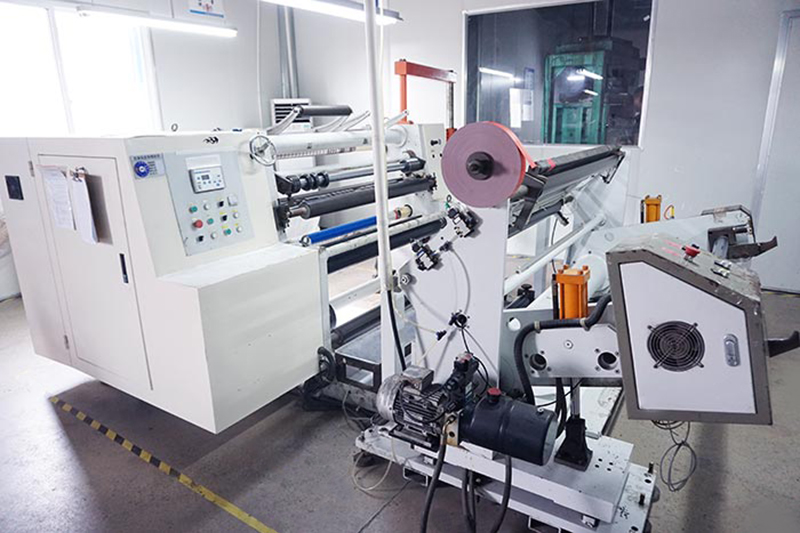
During roll-to-roll production, adhesive is applied to the vinyl backing through gravure or slot-die coating, and the uniformity of that coating weight has a direct, measurable effect on downstream converting. A coating that varies by more than roughly three percent across the web width can cause inconsistent bond strength from one edge of the roll to the other, which shows up during die-cutting as parts that release cleanly on one side and drag or tear the liner on the other.
Tighter coating weight control also affects how cleanly a die-cut part separates from the surrounding matrix. Under-coated zones can cause weak adhesion at part edges, while over-coated zones increase adhesive squeeze-out at the cut line, leaving residue on cutting tools and shortening die life. For customers running high-volume automated die-cutting, this single manufacturing variable often has more influence on production yield than the choice of adhesive chemistry itself — which is why coating consistency is treated as a core quality metric rather than a secondary specification during custom film development.
