
 English
 русский
 Español
 عربى
عربى
Product Consultation
Your email address will not be published. Required fields are marked *

Coming From China, Marketing To The World.
Content
Aluminum foil fiberglass felt is a composite insulation material formed by bonding aluminum foil with fiberglass felt. The fiberglass layer provides a stable, low thermal conductivity base, while the aluminum foil functions as a radiant barrier. This combination allows the material to address both conductive and radiant heat transfer in HVAC duct and pipe insulation systems. The felt structure maintains thickness and flexibility, making it suitable for wrapping round ducts, rectangular air channels, and insulated pipes with varying diameters.
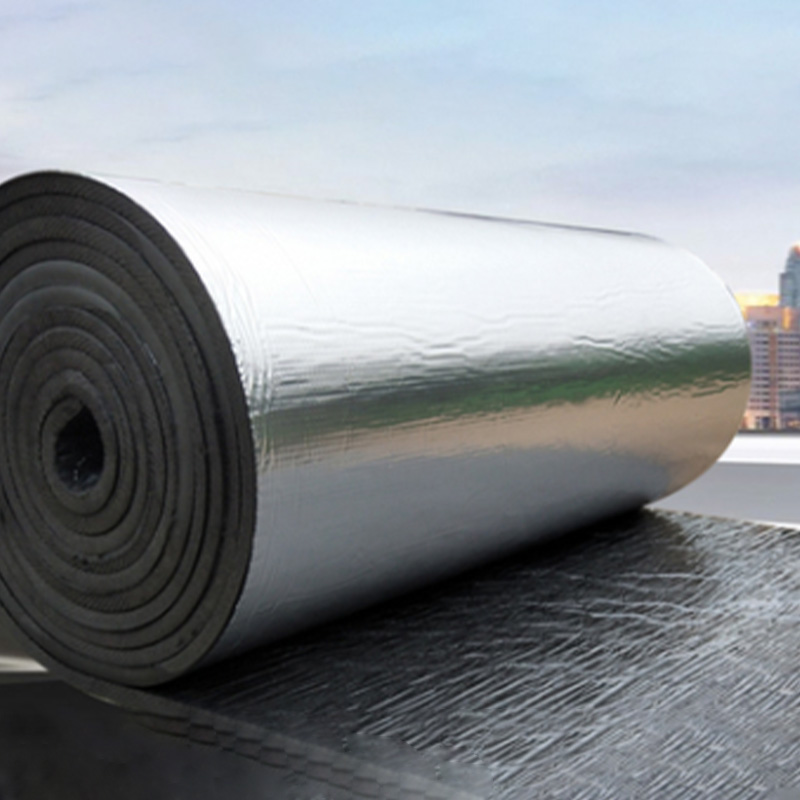
In HVAC duct and pipe applications, aluminum foil fiberglass felt reduces heat loss in heating lines and limits heat gain in cooling lines. The fiberglass felt slows conductive heat flow, while the reflective aluminum foil surface reflects radiant heat away from the duct or pipe surface. This dual-action insulation approach helps maintain stable air or fluid temperatures throughout the system, supporting consistent indoor climate control.
By minimizing temperature fluctuations along ducts and pipes, aluminum foil fiberglass felt contributes to reduced energy demand from HVAC equipment. Less thermal loss means heating and cooling units operate within their designed output range, which can lower operating load and improve overall system efficiency in commercial and industrial buildings.
Condensation is a common issue in HVAC ducting and chilled water pipes. Aluminum foil fiberglass felt addresses this by acting as a vapor barrier when properly installed and sealed. The aluminum foil layer restricts moisture vapor penetration, reducing the risk of condensation forming on cold surfaces. This helps protect surrounding building materials from moisture-related damage and supports long-term insulation performance.
In facilities such as data centers, laboratories, and commercial kitchens, humidity control is critical. Aluminum foil fiberglass felt provides a stable insulation solution that supports HVAC systems operating under varying humidity conditions without significant degradation of thermal or mechanical properties.
Fiberglass felt is non-combustible, and when combined with aluminum foil, the composite material supports fire safety requirements commonly specified for HVAC insulation. The material does not contribute to flame spread and helps limit smoke development in duct and pipe insulation installations, aligning with safety standards in commercial and industrial construction projects.
Aluminum foil fiberglass felt is typically supplied in rolls, allowing on-site cutting and wrapping. During installation, the felt side is placed against the duct or pipe surface, while the aluminum foil faces outward. Joints and overlaps are sealed with compatible aluminum foil tape to maintain vapor barrier continuity and thermal performance.
In HVAC applications, aluminum foil fiberglass felt maintains structural stability under typical operating temperatures and airflow conditions. The fiberglass felt resists compression, while the aluminum foil layer protects against surface abrasion and environmental exposure. This combination supports long-term use in both indoor mechanical rooms and concealed duct runs.
| Application Area | Function of Aluminum Foil Fiberglass Felt |
|---|---|
| Air Supply Ducts | Reduces heat loss and radiant heat transfer |
| Return Air Ducts | Maintains temperature stability and limits condensation |
| Hot Water Pipes | Minimizes thermal loss and surface heat radiation |
| Chilled Water Pipes | Controls condensation and vapor penetration |
When selecting aluminum foil fiberglass felt for HVAC duct and pipe insulation, factors such as felt density, foil thickness, and system operating temperature should be evaluated. Matching material properties with specific duct or pipe conditions supports stable insulation performance and reliable long-term operation within the HVAC system.
Applications of Double-Sided Adhesive Tapes in Industrial and Printing Industries
What Is PI Thermosetting Film and How It Supports Advanced Electronics
Your email address will not be published. Required fields are marked *
 Self Adhesive Label Material Manufacturers