
 English
 русский
 Español
 عربى
عربى
Product Consultation
Your email address will not be published. Required fields are marked *

Coming From China, Marketing To The World.
Content
PET composite foam is a lightweight, high-performance material made from recycled polyethylene terephthalate. It combines the advantages of foam structures with the strength and durability of PET fibers, resulting in a material that is resistant to compression, impact, and environmental degradation. PET composite foam is increasingly used in construction, automotive, aerospace, and packaging industries due to its multifunctional properties.
One of the key differences between PET composite foam and traditional foams such as polyurethane (PU) or expanded polystyrene (EPS) lies in mechanical performance. PET composite foam exhibits higher compressive strength, better dimensional stability, and greater resilience under repeated stress. Its fiber-reinforced structure minimizes deformation and cracking, making it suitable for applications where mechanical reliability is critical.
Unlike conventional foams, PET composite foam can withstand higher loads without permanent deformation. This characteristic is particularly important in flooring panels, sandwich structures, and automotive components where the material is subjected to constant pressure or weight. Traditional foams may compress over time, leading to structural weakening or failure.
PET composite foam effectively absorbs and dissipates energy from impacts, reducing the risk of damage to underlying surfaces or structures. This makes it highly suitable for protective packaging, sports equipment, and automotive interior components. In contrast, traditional foams may have limited energy absorption and are prone to cracking or tearing under high impact conditions.
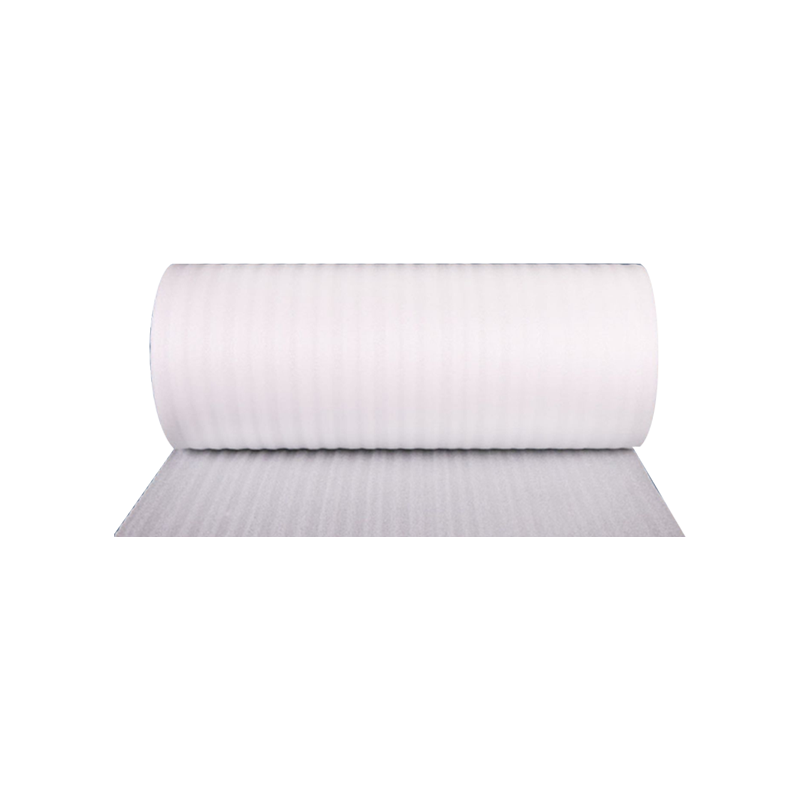
Thermal insulation and sound absorption are critical considerations for building materials. PET composite foam generally provides superior thermal resistance compared to EPS and PU foams, helping reduce heat transfer and improve energy efficiency. Its open-cell or mixed-cell structure also enhances acoustic dampening, making it ideal for walls, ceilings, and floor panels in commercial and residential spaces.
PET composite foam maintains its performance over a wider temperature range than many traditional foams. It does not soften or deform easily under heat, nor does it become brittle in cold conditions. This stability ensures long-term reliability in applications such as cold storage, transportation, and outdoor panels.
The cellular structure of PET composite foam effectively absorbs sound waves, reducing noise transmission in buildings and vehicles. Traditional foams often provide minimal acoustic insulation unless specifically engineered with additional layers, making PET composite foam a more versatile and efficient solution for noise control.
PET composite foam is largely made from recycled PET materials, contributing to circular economy initiatives and reducing environmental impact. Unlike some traditional foams that rely on petrochemical production and may release harmful gases during manufacture or disposal, PET composite foam is recyclable, non-toxic, and sustainable. This makes it an attractive choice for eco-conscious construction and industrial projects.
| Property | PET Composite Foam | Traditional Foams (PU/EPS) |
| Compressive Strength | High, resists long-term compression | Moderate, may deform over time |
| Impact Resistance | Excellent, absorbs shocks effectively | Limited, prone to cracking |
| Thermal Insulation | High, stable over wide temperatures | Moderate, may degrade under extreme heat |
| Acoustic Performance | Effective sound absorption | Minimal unless specially treated |
| Environmental Impact | Recyclable and eco-friendly | Often non-recyclable, higher carbon footprint |
PET composite foam offers a combination of superior mechanical, thermal, acoustic, and environmental properties that make it a versatile alternative to traditional foam materials. For applications requiring durability, energy efficiency, and sustainability, PET composite foam is often the preferred choice. Understanding the specific advantages and limitations of each foam type ensures optimal material selection for construction, automotive, aerospace, and packaging projects.
Spacer Adhesive Stickers in Automotive Manufacturing: Benefits and Uses
PVC Adhesive Film vs Other Protective Films: Advantages and Disadvantages
Your email address will not be published. Required fields are marked *
 Self Adhesive Label Material Manufacturers