
 English
 русский
 Español
 عربى
عربى
Product Consultation
Your email address will not be published. Required fields are marked *
Coming From China, Marketing To The World.
PVC adhesive film is one of the most widely used surface protection materials in industrial and commercial applications. Its unique combination of adhesion, flexibility, and durability allows it to protect surfaces from scratches, dust, dirt, and other contaminants during manufacturing, transportation, and installation. While other protective films such as polyethylene (PE), polyester (PET), or paper-based films are also used for similar purposes, PVC adhesive films offer advantages in terms of conformability, surface coverage, and long-term protection. Understanding these advantages and limitations is essential for selecting the most suitable protective film for a specific application.
Content
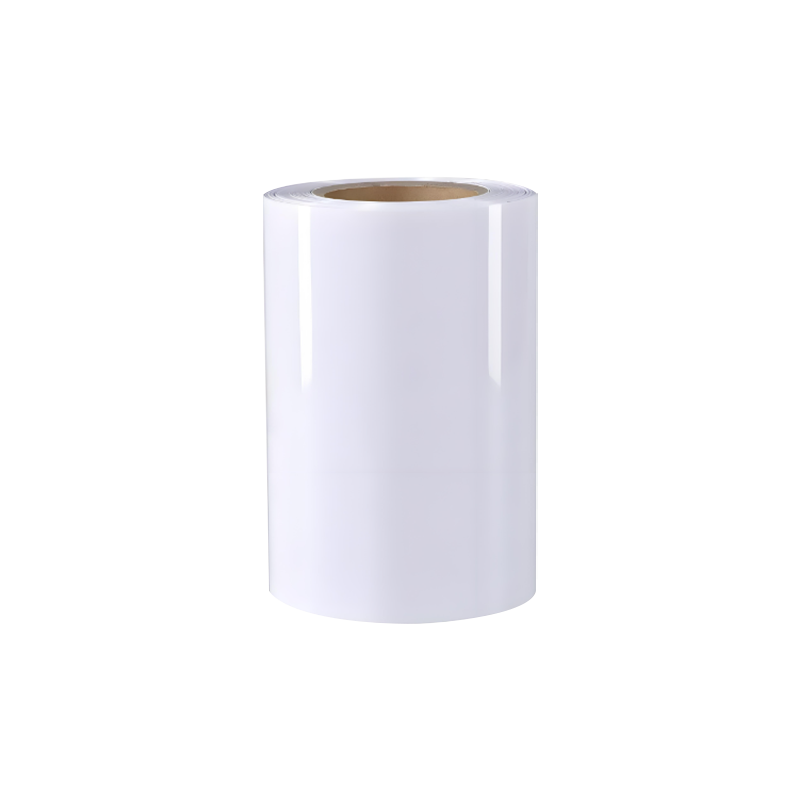
PVC adhesive film is composed of a polyvinyl chloride layer with a pressure-sensitive adhesive backing. This structure allows the film to adhere firmly to various surfaces, including glass, metal, plastic, and painted surfaces, without leaving residue if removed properly. PVC films are available in multiple thicknesses and adhesive strengths to meet different protection requirements. Their high elasticity and tear resistance make them particularly suitable for complex or irregular surfaces where uniform protection is required. In addition, PVC films can be manufactured in different colors for identification, branding, or aesthetic purposes, providing both functional and visual benefits in industrial processes.
To select the right protective film, it is important to understand how PVC adhesive films compare with other common protective materials such as PE, PET, and paper-based films. Each type has its own strengths and limitations depending on the application, environmental conditions, and surface characteristics. The table below summarizes key differences across multiple criteria, providing a clear overview for decision-making.
| Film Type | Surface Adhesion | Conformability | Temperature Resistance | Tear Resistance | Environmental Impact | Cost |
| PVC Adhesive Film | High, adheres well to smooth surfaces | Excellent, can cover complex shapes | Moderate, not ideal for very high temperatures | High, resists tearing under stress | Moderate, non-biodegradable | Medium |
| PE Film | Medium, may shift on vertical surfaces | Low, difficult on irregular shapes | Low to moderate, melts at high heat | Moderate, can tear under stress | Better, recyclable but not always biodegradable | Low |
| PET Film | High, adheres with specific adhesives | Moderate, less flexible than PVC | High, withstands heat and chemicals | High, strong and durable | Moderate, recyclable but not biodegradable | High |
| Paper-Based Film | Low to medium, may require additional adhesive | Low, does not conform to complex shapes | Low, cannot withstand high heat | Low, tears easily | High, biodegradable and environmentally friendly | Low to medium |
PVC adhesive film is widely used in industries that require protection for delicate surfaces. In construction, it protects glass panels, aluminum frames, and painted surfaces during transportation and installation. In automotive manufacturing, PVC films safeguard body panels, interior trims, and electronic components during assembly and shipping. Electronics and appliance manufacturers use PVC adhesive films to prevent scratches, dust, and contamination on screens, casings, and delicate mechanical parts. PVC films are also applied in furniture and packaging industries, where smooth surfaces require long-lasting protection that is easy to apply and remove.
To maximize the effectiveness of PVC adhesive films, proper selection, application, and removal are critical. Choosing the right adhesive strength ensures the film adheres without damaging surfaces upon removal. It is important to apply the film on clean, dry surfaces to avoid trapped dust or air bubbles, which can compromise protection. For long-term applications, storing PVC films in controlled environments prevents premature aging or adhesive degradation. Removal should be done carefully at a moderate speed and temperature to avoid residue or surface damage.
PVC adhesive films provide a balance of adhesion, flexibility, and durability that is difficult to achieve with other protective films. While PE, PET, and paper-based films have their own strengths, PVC adhesive films are particularly effective for irregular surfaces, long-term protection, and applications requiring both strength and flexibility. By understanding the advantages and limitations of each type of film, manufacturers, installers, and end-users can make informed decisions that ensure optimal surface protection, cost efficiency, and operational reliability. The use of detailed comparison charts and application-specific guidance makes it easier to select the most appropriate film for industrial, commercial, and construction applications.
PET Composite Foam vs Traditional Foam Materials: Key Differences
How Spacer Adhesive Stickers Help Maintain Consistent Gaps
Your email address will not be published. Required fields are marked *
 Self Adhesive Label Material Manufacturers