
 English
 русский
 Español
 عربى

Product Consultation
Your email address will not be published. Required fields are marked *

Coming From China, Marketing To The World.
A coating head is the part of the line that turns a formulated liquid into a controlled film. If the head is matched poorly to the fluid, the failure rarely stays inside the head: it shows up as streaks in label stock, thin spots in a battery safety film, or a roll of pressure-sensitive adhesive that cannot be slit cleanly.
Short answer: start with the coating window, not the catalogue. Define wet thickness, viscosity range, solids loading, substrate width, line speed, changeover frequency, and defect tolerance. Then compare slot-die, comma, gravure, reverse-roll, knife-over-roll, and rod heads against those limits. A head that holds tight coat-weight control at 50 m/min may be the wrong choice for a 15 m/min custom run with frequent width changes.
In practical procurement, the coating head is a precision assembly: lip geometry, internal manifold, shim or gap, roll concentricity, temperature control, and cleanability all matter. At our coating workshop, those variables are evaluated together with the substrate and adhesive system, because a good head on one fluid can be unstable on another.
Content
The head sets the initial film, but the product sees the combined effect of fluid rheology, substrate surface, drying or curing, and web handling. Three control points matter most:
A slot-die shim or a comma bar gap determines the nominal wet film. The usable tolerance depends on lip flatness, internal pressure balance, and edge control. Thin films amplify small errors; thick, filled coatings can hide them until drying.
Adhesives, thermal-paper coatings, and flame-retardant films are often shear-thinning. The head must deliver a stable shear rate without dead zones, otherwise viscosity drift appears as ribbing, streaks, or coat-weight variation.
PET, PVC, synthetic paper, glass cloth, and foam composites respond differently to tension and wetting. Edge guides, backing rolls, and lip clearance must be selected for the actual web, not a generic sample.
This is why a product overview of coating heads should be read alongside the coated product specification. The head is not a standalone catalogue item; it is a matched component in a coating, drying, and converting sequence.
Most industrial coating heads fall into a few families. The ranges below are indicative, not universal. Always confirm with a trial on the actual fluid and substrate.
For custom and small-lot production, changeover time can matter as much as line speed. For commodity label stock, profile control and uptime usually dominate. The correct choice is the one that meets the product tolerance at the required run length.
The same logic applies to hot-melt adhesive films such as the YHTFTR-50 dual-silicone grade, where coat-weight uniformity affects bond line, heat response, and downstream lamination. A head that looks inexpensive can become costly if it narrows the coating window or raises scrap during startup.
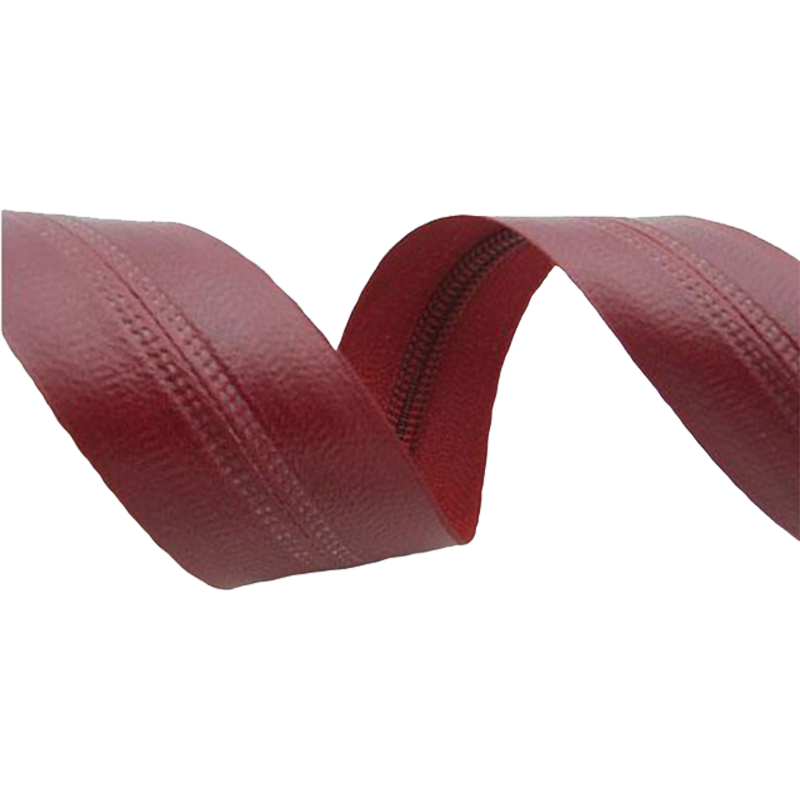 YH-TFTR 50# Dual-Silicone Hot Melt Adhesive FilmDual-silicone hot-melt adhesive film with no substrate and customizable glue thickness, relevant for coat-weight uniformity and stable bonding in hot-melt coating.View Product →
Defect patterns are diagnostic. Continuous machine-direction streaks often suggest lip damage, trapped particles, or a shim burr. Cross-web waves may indicate gap variation, roll alignment, or pulsation. Heavy edges can come from manifold imbalance, edge guides, or surface-energy mismatch. These are not cosmetic issues; they change coat weight, adhesion, and yield.
The hidden cost appears in first-off scrap, reduced line speed, extra inspection, and repeated cleaning. Track these four numbers before and after a head change: startup waste, coat-weight standard deviation, mean time between cleans, and end-of-roll defect rate.
Demand is broad, but the requirements differ sharply by sector. Labels and packaging tolerate high speed and quick changeover; electronics and battery materials demand tighter profile control and contamination discipline; marine and industrial applications often prioritize adhesion, heat resistance, and durability.
These shares are indicative. The useful takeaway is not the exact percentage; it is the shift in control priority. A label line may optimize uptime, while a battery or flame-retardant film line must prove consistency and compliance first.
For flame-retardant packaging films such as the YHTFW-36-14-VTM0 white aerogel grade, a stable head reduces pinholes and coat-weight drift that can compromise barrier performance. Where the product is customized, involve the material supplier early through custom coating development rather than treating the head and formulation as separate purchases.
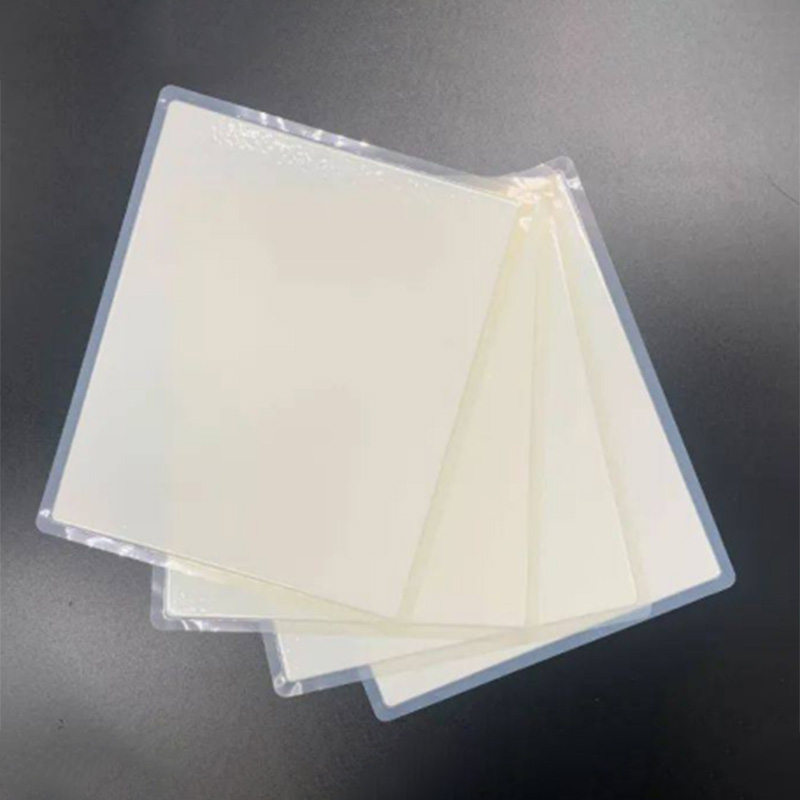 YH-TFW 36#+14 VTM-0 White Aerogel Flame Retardant Packaging FilmWhite aerogel flame-retardant packaging film on PET with customizable adhesive thickness, VTM-0 grade, and peel force specifications for barrier-focused review.View Product →
A coating head is a wear item as well as a precision component. Build a cleaning and inspection routine around the actual failure mode: lip staining, shim deformation, roll runout, seal degradation, or dried adhesive in the manifold. Keep a baseline of profile scans and defect images so a drift can be recognized before a full roll is lost.
For moisture-proof, stretch-resistant PET composite foam such as TFT-50, uniform coating and lamination control affect dimensional stability and long-term performance. The head choice should be validated on the finished composite, not only on a liquid sample.
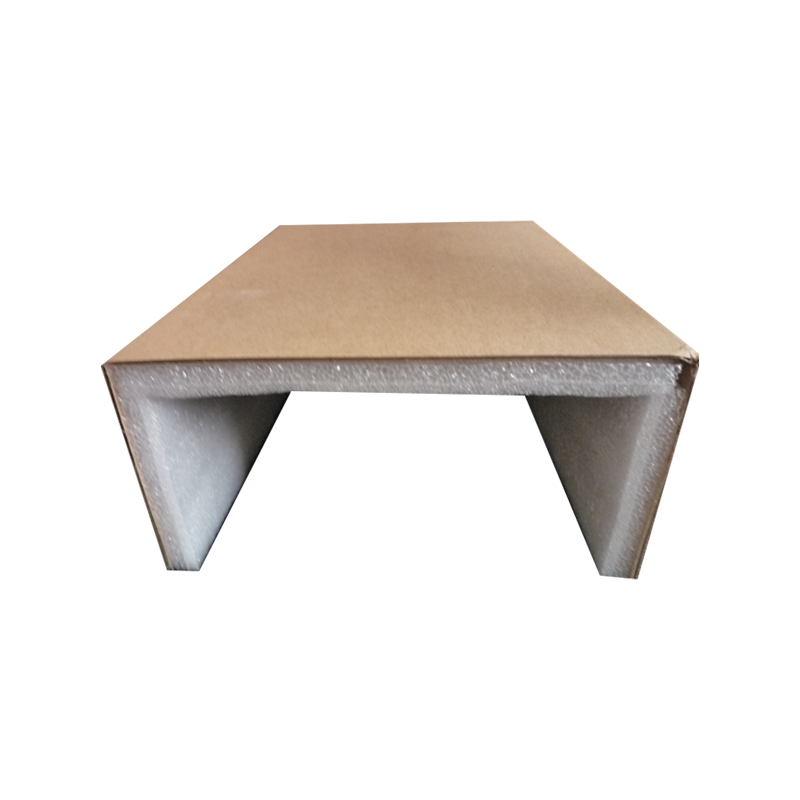 TFT 50# Moisture-Proof Stretch-Resistant PET Composite FoamPET/pearl cotton composite foam with customizable substrate thickness, designed for moisture-proof, stretch-resistant noise-reduction buffer applications where coating and lamination control matter.View Product →
A sound product overview of coating heads ends with a simple rule: match the head to the fluid, the substrate, and the defect tolerance, then prove it on the line. Price matters, but the real cost is the coating window you lose after installation. Start with the product requirement, run a controlled trial, and choose the head that keeps the process stable across startup, steady production, and changeover.
Your email address will not be published. Required fields are marked *
 Self Adhesive Label Material Manufacturers