
 English
 русский
 Español
 عربى
عربى
Product Consultation
Your email address will not be published. Required fields are marked *

Coming From China, Marketing To The World.
A converter running a 1.6 m wide label line notices that every afternoon batch fails the 180° peel test by 8 to 12 percent while morning batches pass. No formulation changed. What changed was the melt temperature at the die, the humidity on the plant floor, and the number of seconds the web spent between the coating head and the chill roll. That is the nature of hot melt adhesive coating: the adhesive is applied as a melt, and almost everything that decides final bond performance happens in the few seconds before it solidifies.
The conclusion up front: hot melt coating is a 100% solids, solvent-free metering process, and its output is governed by three variables only. Melt viscosity at the die. Coat weight uniformity across the web. Cooling distance, which sets open time. When those three are controlled, the rest of the line becomes predictable. When they are not, no amount of adhesive reformulation will recover the yield.
The sections below cover how the process works, how the common coating methods compare on realistic tolerances, which line data predicts failures before they reach a customer, and how to qualify a coating partner for label, tape, film and battery applications.
Content
There is no drying oven in the process. A hot melt adhesive is solid at room temperature and is melted in a tank, pumped through heated hoses, metered by a die or roll, transferred to the substrate, and then solidified purely by cooling. Because the system carries no water and no solvent, coat weight is set mechanically rather than by evaporation rate, and energy consumption is concentrated in the melt tank, hoses and die rather than in a drying tunnel.
Commercial formulations are built from four functional groups, and each one changes how the coating behaves at the head:
Viscosity falls steeply between 120 °C and 180 °C. A 10 °C drift in the melt system often changes flow through a slot die more than a pump speed adjustment does, which is why temperature control accuracy matters more than nominal pressure.
Nominal coat weight is the ratio of pump displacement to line speed; cross-web distribution is set by the die shim or roll crown. Commercial tolerance is typically plus or minus 3 to 5 percent of target, and that band is the single largest driver of peel scatter.
Open time runs from die exit to the first nip. Shorter than the lamination distance and the adhesive does not wet the second substrate; longer than the rewinding distance and the roll blocks on the winder.
PET sits near 42 dyn/cm, PVC near 39, and synthetic paper lower still. Corona treatment, silicone release carriers and residual moisture in paper webs all change how a 10 gsm molten film anchors or fails.
Choosing a head is a tolerance decision before it is a capability decision. The comparison below reflects typical operating windows; a detailed breakdown of how each system behaves across different substrates is available in this guide to roll coating technologies, methods and tolerances.
Most coating lines log average coat weight, tank temperature and line speed. Those three numbers almost never explain a defect. The chart below shows how coating-line waste typically distributes across root causes in label, tape and film production, based on the failure patterns seen across slot die and roll coating operations.
Four hidden indicators sit behind that distribution, and each one can be measured without new capital equipment:
Packaging dominates global hot melt consumption, but the segments with the tightest coating tolerances are labels, tapes and battery components, where a few grams per square meter decide whether a product works.
Thermal label stock shows why the coating decision is rarely interchangeable. The same 60 gsm base paper can carry a hot glue (hot melt) adhesive, a cold glue, or a water-based system, and each behaves differently at the applicator: hot glue grades generally deliver the best die-cutting behaviour and initial tack on high-speed lines, cold glue suits low-temperature storage, and water-based systems offer a different balance of cost and ageing. A three-proof hot glue grid base thermal paper is the classic choice when label speeds matter.
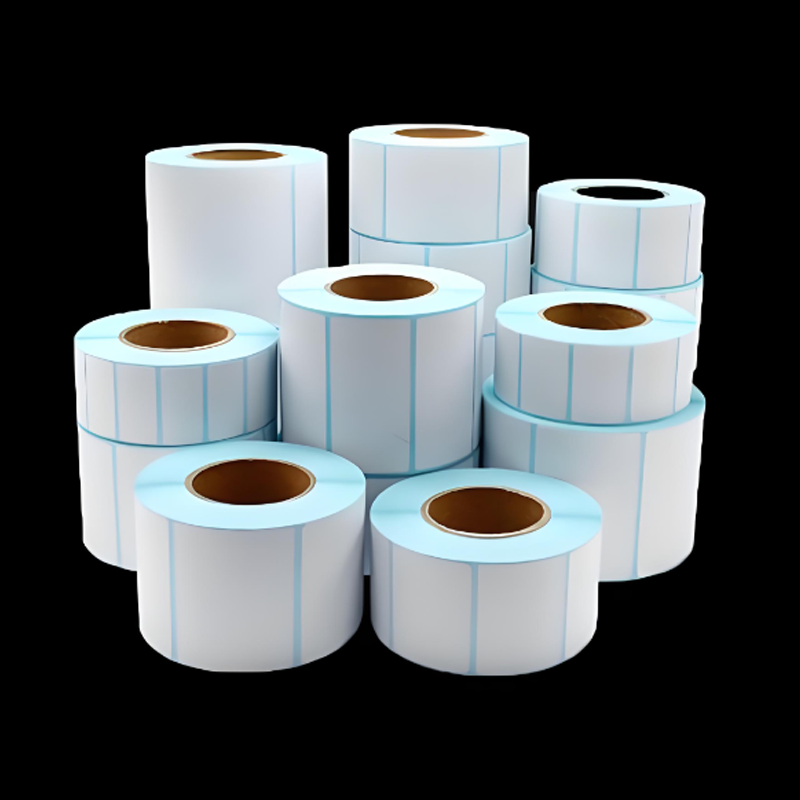 R-HRM-3F 3-Proof Hot Glue Grid Base Thermal PaperThermal paper label material with hot glue grid base, customizable glue thickness and peel force, suited to high-speed label lines needing reliable die-cutting and tack.View Product →
In many products the hot melt never touches the customer's part at the coating stage. Instead it is coated onto a carrier and supplied as a dry roll that the customer activates with heat. This shifts the coating challenge from open time to winding quality: the film must be tack-free at 25 °C, must not block on the roll, and must release cleanly from its silicone carrier without leaving adhesive residue or stretching the web at the moment of activation.
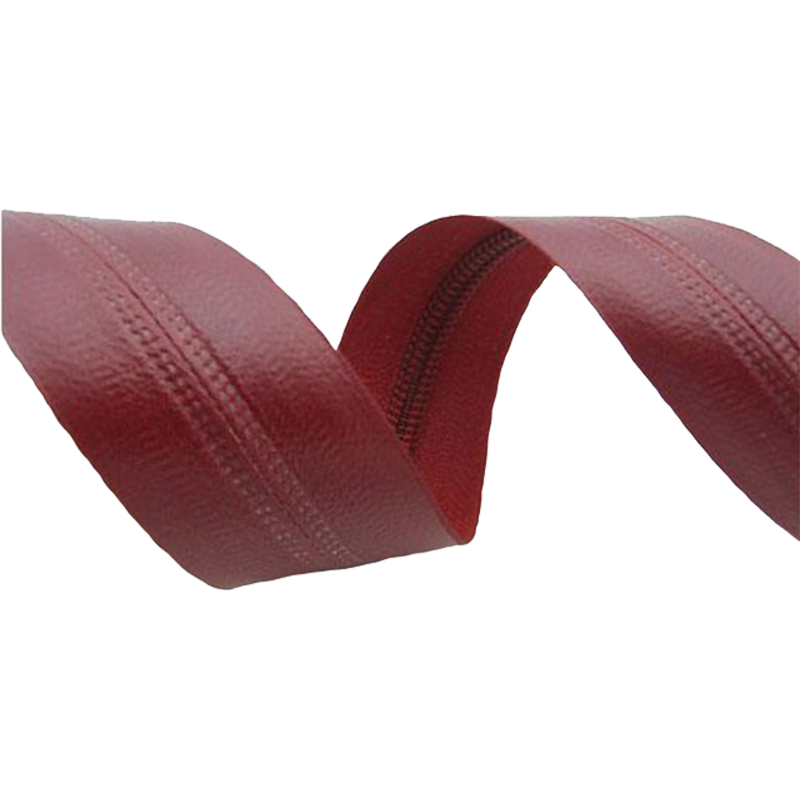 YH-TFTR 50# Dual-Silicone Hot Melt Adhesive FilmA dual-silicone hot melt adhesive film with customizable glue thickness, relevant where dry rolls must release cleanly from silicone carriers before heat activation.View Product →
The same coating discipline applies to battery components, where the performance requirement changes from open time to flame rating and heat resistance. Heat-activated films used in CCS hot pressing must hold mechanical integrity through the pressing cycle while meeting a recognised flame classification, which is where a flame retardant VTM-0 rated CCS hot pressing film enters the specification rather than a general-purpose packaging hot melt.
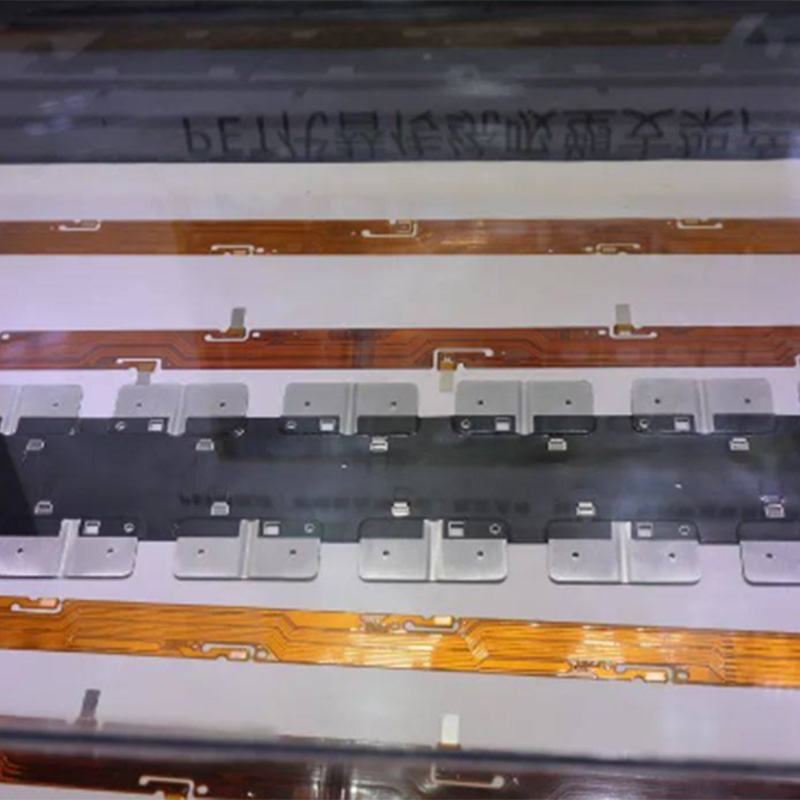 YH-RFW 100# Flame Retardant VTM-0 CCS Hot Pressing FilmPET-based CCS hot pressing film with VTM-0 flame retardant grade and ≥17N/25mm peel force on 180° aluminum plate, with customizable glue thickness for battery components.View Product →
Supplier qualification is cheaper than requalification after a failed production run. The sequence below is the order that avoids expensive loops, and it applies whether the material is a label adhesive, a hot melt film or a battery component.
Confirm material, thickness, corona status and any release coating before discussing coat weight.
Specify target plus a band, not a single number. Plus or minus 5 percent is a working commercial figure; plus or minus 2 percent narrows the supplier list fast.
Put activation temperature, open time, nip pressure and line speed in writing, so a failure can be attributed to a variable rather than an opinion.
Ask for a coat weight map across the web at five points minimum, plus peel, loop tack and shear on your own substrate.
Seven days at 60 °C or fourteen days at 40 °C and 90 percent relative humidity reveals migration, blocking and adhesion loss that a same-day test will not.
New substrate lot, new adhesive lot or a higher line speed all invalidate the previous first-article report.
The economics are easier to see as ratios than as absolute figures. A solvent-based system running at 30 percent solids requires roughly 2.3 kg of solvent to be evaporated for every 1 kg of dry adhesive deposited, plus recovery or incineration of that vapour. A hot melt line removes that step entirely, so the trade-off becomes higher melt energy against eliminated drying energy and simplified permitting. The other half of the calculation is the safety margin. If cross-web variation runs at 8 percent, a plant typically sets the nominal target 8 percent above the minimum functional coat weight, paying for adhesive that never contributes to performance. A supplier able to hold 3 percent variation can often reduce coat weight without touching the formulation.
Verify the process before the promise: a supplier with its own coating workshop, slitting capability and in-house testing laboratory can run the first article on the same equipment that will produce the commercial order, which is the only way the reported tolerance means anything.
Hot melt coating rewards routine discipline more than it rewards clever troubleshooting. The following practices prevent the majority of recurring defects and documentation gaps.
Hot melt adhesive coating is not a complicated process, but it is an unforgiving one. The melt, the metering gap and the cooling distance decide almost everything. Control those three, measure the variance rather than the average, and the afternoon batch will match the morning batch.
Your email address will not be published. Required fields are marked *
 Self Adhesive Label Material Manufacturers