
 English
 русский
 Español
 عربى
عربى
Product Consultation
Your email address will not be published. Required fields are marked *
Coming From China, Marketing To The World.
Content
PVC adhesive film has become a cornerstone material in modern manufacturing, interior design, and packaging industries due to its unique combination of durability, flexibility, and aesthetic versatility. This self-adhesive vinyl material allows for the rapid transformation of surfaces without the need for paints, laminates, or complex machinery. By providing a protective layer that resists moisture, abrasion, and chemicals, PVC adhesive film extends the lifespan of underlying substrates such as wood, metal, glass, and plastic.
The primary advantage of using PVC adhesive film lies in its cost-effectiveness and ease of application. Unlike traditional finishing methods that require drying time or specialized labor, PVC films can be applied quickly with minimal tools. This makes them ideal for both large-scale industrial production lines and DIY home renovation projects. Whether used for wrapping furniture, protecting electronic screens, or branding vehicles, PVC adhesive film offers a reliable and efficient solution for surface management.
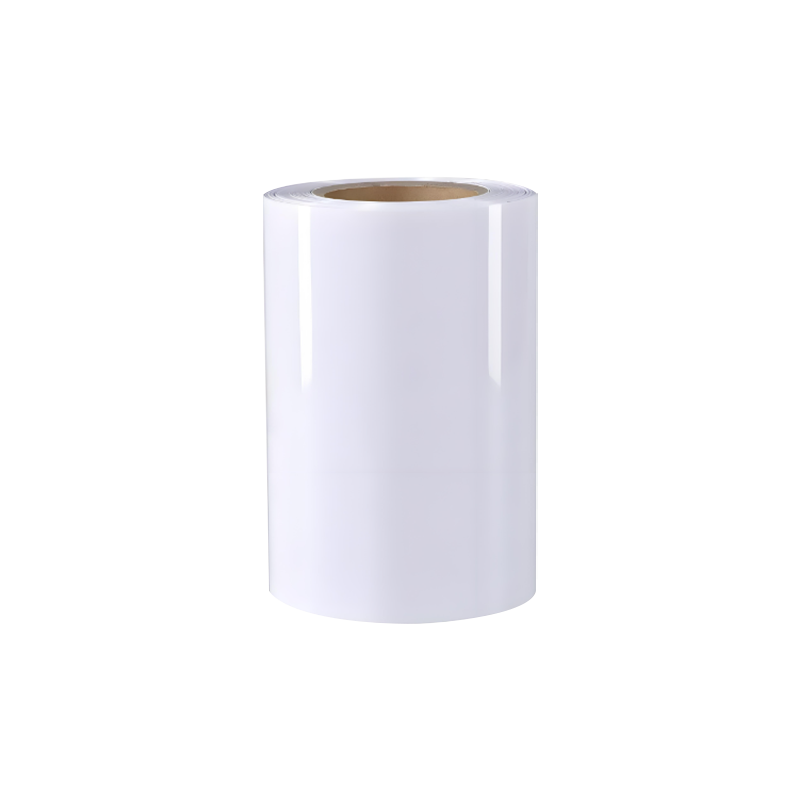
Understanding the composition of PVC adhesive film is essential for selecting the right type for specific applications. The material typically consists of three layers: the PVC base film, the adhesive layer, and the release liner. The quality of each layer determines the overall performance of the product.
The adhesive layer is equally critical, with options ranging from permanent high-tack adhesives for industrial bonding to removable low-tack adhesives for temporary protections. Choosing the correct adhesive strength ensures that the film stays in place during use but can be removed without leaving residue if necessary.
The adaptability of PVC adhesive film has led to its widespread adoption across various sectors. Its ability to conform to curved surfaces and withstand environmental stress makes it a preferred choice for many professionals.
| Industry | Application | Benefit |
|---|---|---|
| Interior Design | Furniture wrapping, wall decals | Cost-effective renovation, wide design variety |
| Automotive | Vehicle wraps, interior trim | Paint protection, custom aesthetics |
| Electronics | Screen protectors, device skins | Scratch resistance, improved grip |
| Packaging | Product labeling, sealing | Tamper evidence, brand visibility |
In the automotive industry, for example, PVC adhesive films are used not only for aesthetic customization but also as a protective barrier against stone chips and minor abrasions. Similarly, in interior design, they allow homeowners to update outdated cabinets or countertops without the expense and mess of replacement.
Proper installation is crucial to achieving a professional finish with PVC adhesive film. While the material is user-friendly, certain techniques can significantly improve the outcome and longevity of the application.
The substrate must be clean, dry, and free of dust, grease, or wax. Use isopropyl alcohol to wipe down surfaces for optimal adhesion. Any imperfections on the underlying surface may show through the film, so sanding or filling holes beforehand is recommended for furniture applications.
Taking time during the alignment phase prevents wrinkles and misalignment, which are difficult to correct once the adhesive has fully bonded. For large areas, working in sections can help maintain control and precision.
To ensure the long-term performance of PVC adhesive film, regular maintenance is required. Although the material is durable, proper care can prevent premature wear and maintain its visual appeal.
Clean the surface regularly with a mild detergent and water solution. Avoid using abrasive cleaners or scouring pads, as these can scratch the glossy finish or degrade the protective top coat. For stubborn stains, a soft brush can be used gently. Additionally, while many PVC films are UV resistant, prolonged exposure to direct sunlight can still cause gradual fading over several years. Using curtains or blinds in interior applications can help mitigate this effect.
If removal is necessary, apply heat to the film to soften the adhesive, then peel slowly at a 45-degree angle. Any residual adhesive can be removed with a commercial adhesive remover or rubbing alcohol. By following these maintenance guidelines, users can maximize the lifespan of their PVC adhesive film installations, ensuring they remain functional and attractive for years to come.
Heat Resistant Laser Label Material: Substrates, Performance & Selection Guide
Hot Melt Adhesive Film Guide: Types, Applications & How It Works
Your email address will not be published. Required fields are marked *
 Self Adhesive Label Material Manufacturers