
 English
 русский
 Español
 عربى

Product Consultation
Your email address will not be published. Required fields are marked *
Coming From China, Marketing To The World.
A converter we worked with swapped a solvent acrylic laminating adhesive for a two-component polyurethane system in early 2026. PET-to-aluminium peel strength climbed from 4 N/15 mm to just over 11 N/15 mm. Six weeks later, the same adhesive pulled cleanly off a PE-lined pouch and left no residue at all. The adhesive had not changed. The substrate had.
That is the whole story with polyurethane bonding. It is not a universal glue; it is a chemistry that reacts with whatever it can physically reach. Understanding which surfaces hand it a reaction site — or at least a polar surface it can wet — tells you within minutes whether a PU bond will hold or peel.
The short answer
Polyurethane adhesives bond reliably to wood and other cellulose materials, aluminium and steel, rigid PVC, polycarbonate, ABS, PET, polyurethane foam and TPU, PET foam, fibreglass composites, glass, ceramics, concrete and leather. They do not bond to untreated polypropylene, polyethylene, PTFE or silicone, and they struggle with heavily plasticised PVC and oil-contaminated metal.
Content
Polyurethane adhesives cure by reaction: isocyanate groups combine with active hydrogen — hydroxyl, amine and carboxyl groups — and, in one-component systems, with ambient moisture. A substrate that presents those groups at its surface gains genuine chemical bonding on top of ordinary wetting. A substrate that presents only inert carbon–hydrogen or carbon–fluorine bonds offers nothing but weak dispersion forces, and the joint fails at the interface before the adhesive has done any work.
The fast practical screen is surface energy. Below roughly 34 dyn/cm a PU adhesive will not wet out completely; above 38 dyn/cm wetting is dependable and the chemistry can take over. The material families below clear that bar comfortably.
Cellulose is covered in hydroxyl groups, which is precisely what isocyanate is looking for. Bonds routinely exceed the strength of the timber itself, so failure in testing shows up as fibre tear rather than adhesive peel.
Polar oxide layers wet readily, but they are smooth and often carry rolling oils. Abrade, degrease, and on aluminium use a silane or PU primer — unprimed aluminium can lose a third of its peel strength after humid ageing.
Rigid PVC, polycarbonate, ABS, PET, PMMA and nylon all sit above 38 dyn/cm and bond well. Flexible PVC is the exception: plasticiser migrates into the adhesive layer and softens it over a period of months.
PU foam, TPU film, cast elastomers and PU coatings share the same backbone, so wetting is close to perfect and the joint behaves as a single material. This is why PU systems dominate footwear assembly and foam lamination.
PET foam, PU foam, fibreglass laminates and aluminium foil–glass cloth structures are usually bonded with flexible PU systems, which absorb the differential expansion that would crack a rigid epoxy joint.
Siliceous surfaces need a silane coupling agent or a dedicated primer. Once treated, PU forms a durable bond that tolerates moisture and slight movement — the reason it is standard in construction bonding and sealing.
Porous, absorbent surfaces let the adhesive penetrate and form a mechanical key that sits on top of any chemical bonding. EPDM and NBR rubber usually need halogenation or a primer first to cut through the anti-ozonant bloom.
Knowing the failures is as valuable as knowing the successes. These are the pairs that generate the most rework complaints:
Where a PU system genuinely cannot wet the surface, a reactive hot melt is often the more honest answer; the mechanics behind those systems are covered in this hot melt adhesive film guide.
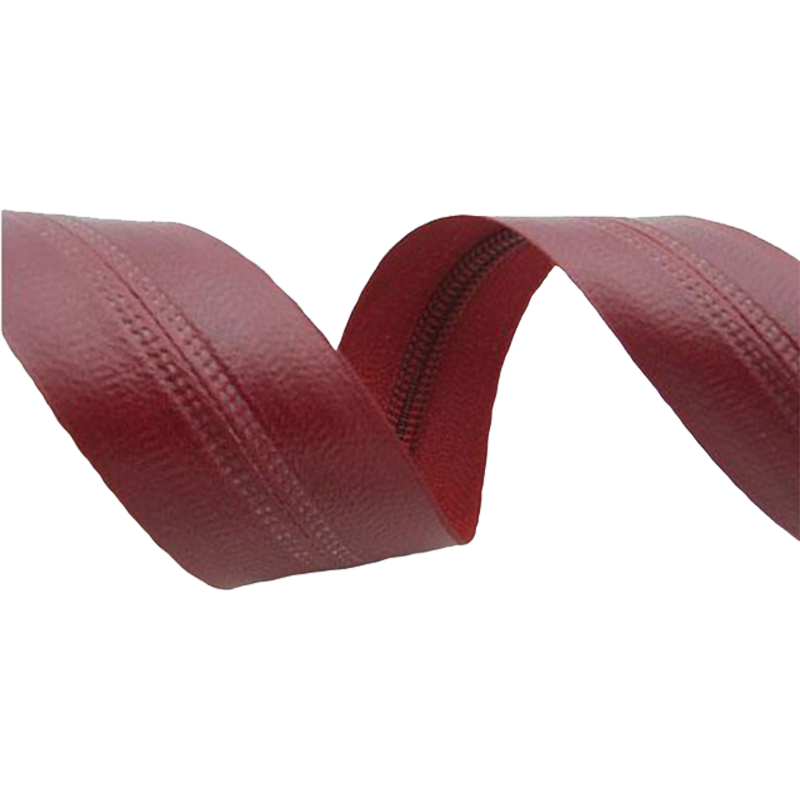 YH-TFTR 50# Dual-Silicone Hot Melt Adhesive FilmSubstrate-free dual-silicone hot melt adhesive film with customizable glue thickness, relevant when comparing reactive hot melt options and shortlisting by peel and shear behaviour.View Product →
The comparison below reflects typical published peel and shear behaviour rather than a single laboratory batch. Treat it as a shortlisting tool, then confirm with your own ageing data.
Initial peel strength sells adhesive, but retained strength decides whether a product survives its warranty. After 1,000 hours at 85 °C and 85% relative humidity, the ranking shifts noticeably — and the two-part PU that looked mid-table on day one finishes near the top.
Note the split between the two PU types. One-component moisture-cure systems lose more strength on non-porous metal because cure depth depends on moisture diffusion, while two-component systems cure uniformly and hold the line.
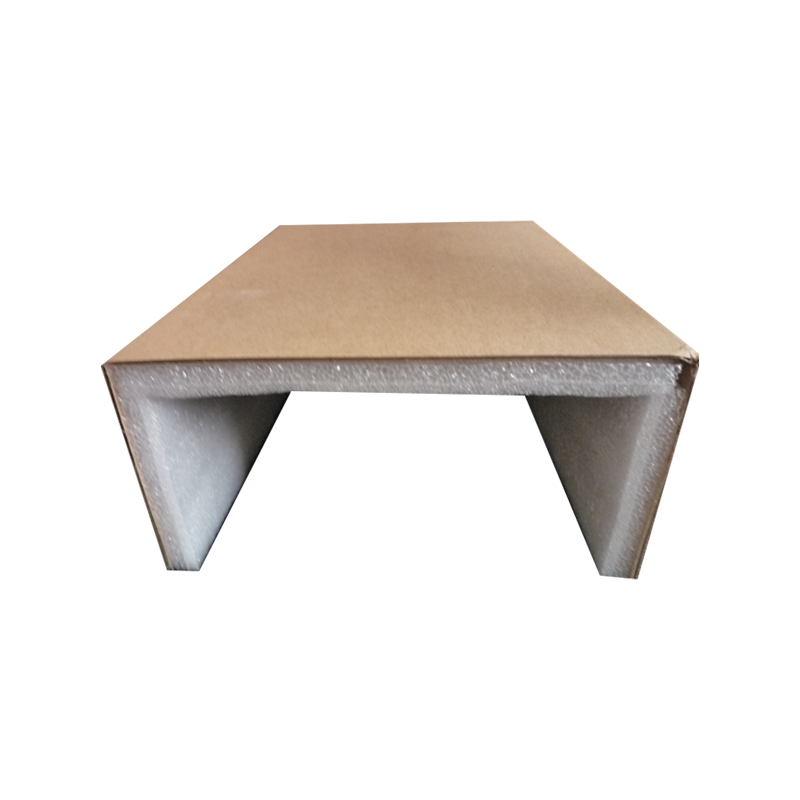 TFT 50# Moisture-Proof PET Composite FoamMoisture-proof, stretch-resistant PET/pearl cotton composite foam with customizable substrate thickness, useful for shortlisting buffer materials where PET-facing substrates and moisture resistance matter.View Product →
Application volume explains why substrate questions cluster the way they do. Packaging and labels dominate, which is why PET, aluminium foil and treated film questions come up constantly; automotive and construction drive the metal, composite and concrete cases.
Most bonding failures we see are not adhesive failures at all — they are specification failures. This sequence catches them before tooling is committed.
Where the substrate pair is non-standard, choose a coater that can adjust surface treatment and adhesive coat weight within the same pass; our custom material development process is built around exactly that loop.
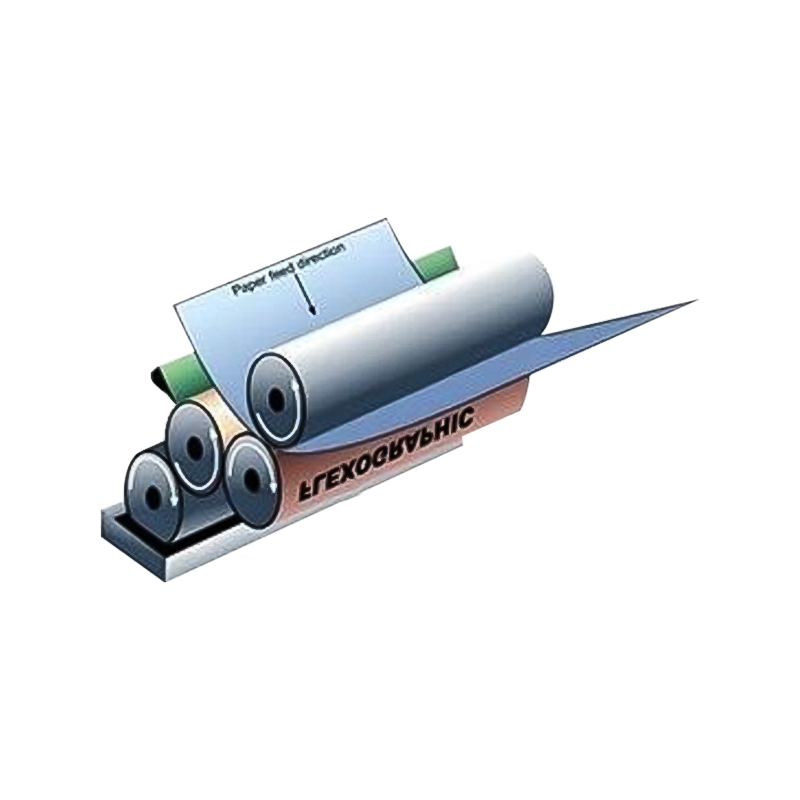 SDT-TLT 100#(Y) PET Yellow Double-Sided Oil Adhesive TapePET-backed yellow double-sided oil adhesive tape with customizable glue thickness and differentiated high/low-adhesion peel values, useful when reviewing coat weight and surface-treatment options.View Product →
Polyurethane systems are reactive materials, and the paperwork around them carries as much risk as the chemistry. A few points that regularly cause trouble in audits and in stores:
Get the substrate match right and polyurethane will outlast the product it holds together. Get it wrong, and no amount of primer will rescue a surface that never had anything to react with in the first place.
Your email address will not be published. Required fields are marked *
 Self Adhesive Label Material Manufacturers