
 English
 русский
 Español
 عربى
عربى
Product Consultation
Your email address will not be published. Required fields are marked *

Coming From China, Marketing To The World.
A label converter receives a drawing marked “glue here.” Purchasing buys a general-purpose glue, the first rolls run well, and three weeks later the labels lift at a cold-storage customer. The problem is not the word “glue.” The problem is that the drawing never specified an adhesive system: chemistry, coat weight, substrate, surface energy, and test method.
The practical answer: “Glue” is a useful everyday word, but “adhesive” is the better word for industrial purchasing. Adhesive describes a engineered bonding material that must be matched to the substrate, the application temperature, the bond line, and the compliance class. If your product must pass peel, shear, aging, or flame tests, the purchase order should say adhesive, not glue.
That distinction matters because glue is often used as a category, while adhesive is used as a specification. A hot-melt adhesive for carton sealing, a water-based acrylic for thermal labels, and a silicone adhesive for high-temperature masking may all be called “glue” in conversation, yet they behave differently under heat, cold, moisture, and stress. Buyers who treat them as interchangeable pay for it later in returns, line downtime, and rework.
Content
In everyday speech, glue usually means a sticky liquid or paste that joins household items. In industry, adhesive usually means a formulated material supplied as film, tape, label stock, or coating. The adhesive may be pressure-sensitive, heat-activated, solvent-activated, or chemically curing. It may be carried on PET, PVC, paper, foil, glass cloth, or foam. Each choice changes how the final product performs.
When you review a bill of materials, the useful question is not “glue or adhesive?” It is “what is the adhesive doing in this assembly?” For label converters, that means understanding the components of self-adhesive labels: face stock, adhesive, release liner, and the surface being labeled. For electronics or battery teams, it means defining dielectric strength, flame rating, and thermal endurance at the start, not after a pilot run fails.
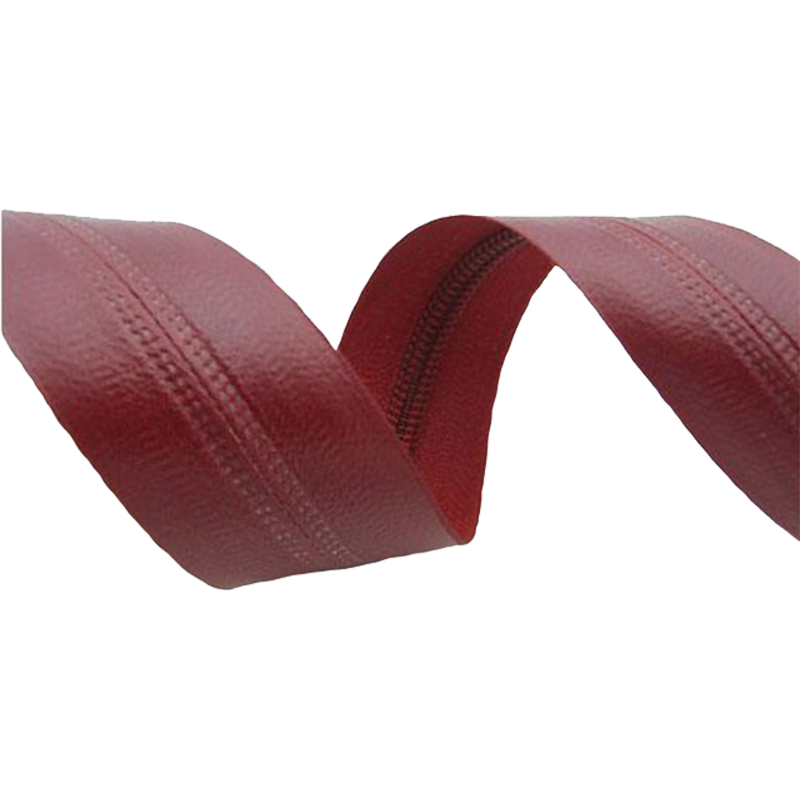 YH-TFTR 50# Dual-Silicone Hot Melt Adhesive FilmNo-substrate hot melt adhesive film with customizable glue thickness; useful when adhesive function and surface-energy demands shape material selection.View Product →
Adhesion is not simply “stickiness.” A pressure-sensitive adhesive must first wet the surface, then develop tack, then resist peel and shear. The substrate surface energy decides whether wetting is easy or difficult. Low-surface-energy plastics such as some PE and PP grades need a primer, corona treatment, or a softer adhesive. High-surface-energy metals and glass are usually more forgiving, but heat and plasticizer migration can still cause failure.
Measured in gsm, coat weight controls tack, peel, and cost. Too little adhesive gives low tack and early lift; too much can cause oozing, die-cutting problems, and higher material cost.
Surface energy is usually expressed in dyn/cm. A substrate below roughly 34 dyn/cm may need treatment or a different adhesive chemistry for reliable wet-out.
Thin, uniform bond lines resist shear better. Thick, soft adhesive layers may improve initial tack but can creep under load or heat.
The table below uses typical industrial expectations, not a substitute for a supplier technical data sheet. The point is to show how differently the two purchase requests behave when the material must pass real tests.
Data sheets often highlight peel strength, but field failures are frequently caused by shear, aging, or temperature. The chart below uses illustrative ranges for discussion; always request tested values on your actual substrate and surface condition.
Water acrylic
8-12 N/25mm
Hot-melt
12-18 N/25mm
Rubber
10-16 N/25mm
Silicone
5-9 N/25mm
 SDT-TLT 100#(Y) PET Yellow Base Double-Sided Oil Adhesive TapePET yellow base double-sided oil adhesive tape with customizable glue thickness and differentiated peel forces: ≥12 N/25 mm high side, ≥7-9 N/25 mm low side.View Product →
Different industries pull adhesive selection in different directions. Label converters prioritize print quality, die-cutting, and liner release. Electronics teams prioritize clean removal, thermal stability, and thin bond lines. Battery and EV teams prioritize flame retardance, dielectric strength, and long-term aging. Marine and pipe teams prioritize splash resistance, sealing, and temperature spikes.
These shares are an illustrative planning view, not a market study. The operational lesson is that “glue” cannot carry this much variety. Once the application zone is clear, the adhesive family, carrier, and test plan become much easier to narrow.
 SVLW 80#E(W) Pure White Base PVC Adhesive FilmPure white PVC adhesive film with customizable glue thickness and 180° steel plate peel force; useful when narrowing label-material adhesive family and qualification tests.View Product →
A low-cost adhesive that fails in the field is expensive. The ROI calculation should include line downtime, scrap, customer returns, engineering time, and the cost of expedited replacement material. A disciplined qualification flow usually costs less than one failed production batch.
Identify exact material, surface energy, roughness, contamination, and whether a primer or corona treatment is allowed.
State minimum and maximum temperature, humidity, UV exposure, and expected lifetime. Include process temperatures, not only use temperatures.
Match acrylic, hot-melt, rubber, or silicone to the performance priority: aging, tack, low-surface-energy bonding, or high-temperature release.
Check RoHS, REACH, flame ratings such as VTM0, UL recognition where relevant, and shelf-life documentation before the pilot run.
Test peel, shear, tack, and aging on production substrates. Then confirm lot traceability, packaging, and storage conditions with the supplier.
When the application is unusual, a standard catalog item may not fit. That is where custom adhesive development becomes valuable: surface coating, carrier selection, adhesive formulation, and converting can be aligned to the customer’s surface and process window. The earlier the supplier is involved, the lower the risk of late-stage redesign.
Adhesive performance does not end at incoming inspection. Storage temperature, humidity, shelf life, and roll orientation can change tack and liner release. A supplier audit should therefore cover more than price and lead time.
Glue vs adhesive is not a language debate. It is a purchasing and engineering decision. “Glue” may be fine when you are describing a simple craft project, but an industrial drawing, label specification, battery component, or marine sealing tape should use the word adhesive and then define the chemistry, carrier, coat weight, service temperature, and test method.
That single change moves the discussion from a vague expectation to a measurable requirement. It helps suppliers quote comparable materials, helps quality teams approve the right documentation, and helps production avoid the expensive surprises that appear only after the product has been shipped.
Your email address will not be published. Required fields are marked *
 Self Adhesive Label Material Manufacturers