
 English
 русский
 Español
 عربى
عربى
Product Consultation
Your email address will not be published. Required fields are marked *

Coming From China, Marketing To The World.
Content
High temperature splash-proof tape for ship pipes is primarily used to prevent hot liquid splashes, protect pipe insulation layers, and improve the safety of marine piping systems operating under high heat and pressure. When paired with durable double-sided adhesive tape, installation becomes faster and more stable, allowing insulation jackets or protective covers to remain firmly attached even in vibration-heavy marine environments.
Ship engine rooms contain numerous pipelines carrying steam, thermal oil, and heated fluids. Surface temperatures of these pipes can reach 150°C to 400°C depending on the system. Splash-proof protection prevents injuries caused by accidental contact or fluid leakage and also reduces heat loss. Modern marine safety standards require protective wrapping or shielding around exposed high-temperature piping, and specialized tapes are widely used to support these installations.
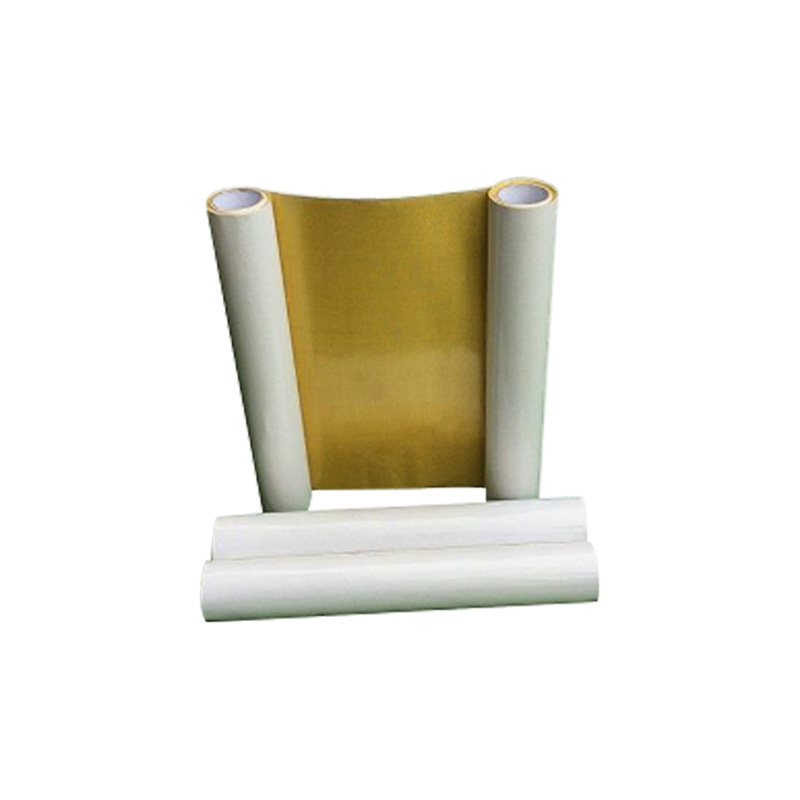
Marine vessels operate under continuous vibration, humidity, and salt exposure. Standard industrial tapes often fail in these conditions. High temperature splash-proof tape is designed specifically for shipboard use, helping maintain protection around valves, flanges, and pipe bends where leakage or heat exposure is more likely.
Marine safety regulations typically require insulation or protective coverings for pipes above 220°C surface temperature. Splash-proof tapes help secure protective layers, reducing the risk of insulation displacement while maintaining heat containment efficiency.
High temperature splash-proof tape is engineered to perform reliably under extreme conditions found in engine rooms and mechanical compartments. The materials used typically include heat-resistant fiberglass fabrics combined with silicone or acrylic adhesives.
| Performance Feature | Typical Value or Benefit | Application Advantage |
|---|---|---|
| Temperature Resistance | Up to 260°C continuous | Stable protection for hot pipes |
| Chemical Resistance | Resistant to oil and steam | Suitable for engine room conditions |
| Mechanical Strength | Reinforced backing materials | Maintains integrity during vibration |
| Adhesion Stability | Strong bonding at high temperature | Long service life in marine use |
These characteristics allow the tape to remain stable even in areas where pipes experience frequent thermal expansion and contraction cycles.
Double-sided adhesive tape plays an important supporting role during installation. It helps secure insulation materials, protective covers, or splash shields before final wrapping or fastening is completed.
On large vessels containing several kilometers of piping, efficient installation techniques can significantly reduce labor time. Double-sided adhesive tape helps hold insulation layers in position while technicians apply the outer splash-proof wrapping.
High temperature splash-proof tape and double-sided adhesive tape are widely used across multiple piping systems within ships. These materials are especially useful in areas where heat protection and quick maintenance access are required.
In practical ship maintenance reports, protective wrapping combined with high temperature tape has been shown to reduce accidental burn incidents by over 40% in engine room environments where exposed hot surfaces are common.
Proper installation determines whether the protective tape performs effectively throughout the vessel's operational cycle. Several practical practices are widely used in shipyards and marine repair facilities.
When installed correctly, protective wrapping systems can remain effective for several years even under continuous thermal exposure and mechanical vibration. The combination of splash-proof tape and double-sided adhesive tape provides a practical and reliable solution for maintaining safety in modern ship piping systems.
Laptop Battery Noise Reduction Label Stickers: Materials, Function, Compliance & Specification Guide
Specialty Films: CCS, PI, Hot Melt, Laser & PVC Adhesive
Your email address will not be published. Required fields are marked *
 Self Adhesive Label Material Manufacturers