
 English
 русский
 Español
 عربى
عربى
Product Consultation
Your email address will not be published. Required fields are marked *
Coming From China, Marketing To The World.
Content
In the rapidly evolving landscape of modern manufacturing, the demand for materials that offer more than just structural integrity has never been higher. Engineers and designers are increasingly turning to Functional Composite Materials to solve complex challenges across diverse sectors. These advanced materials are engineered to provide specific properties such as electrical conductivity, thermal management, electromagnetic interference shielding, or enhanced chemical resistance, alongside their mechanical strength. Unlike traditional composites that primarily serve a load-bearing purpose, functional composites integrate active capabilities that directly contribute to the performance and longevity of the final product. This shift represents a fundamental change in material science, where the boundary between structure and function becomes seamlessly blurred, allowing for lighter, smarter, and more efficient designs in critical applications.
The versatility of these materials is evident in their widespread adoption across marine, electronic, and industrial fields. In the marine sector, the harsh environment of saltwater and constant exposure to UV radiation requires materials that can withstand extreme conditions without degrading. Functional composites offer superior corrosion resistance and reduced weight, which translates to improved fuel efficiency and lower maintenance costs for vessels. Similarly, in the electronics industry, the miniaturization of devices demands materials that can manage heat dissipation effectively while providing electromagnetic shielding to prevent signal interference. Industrial applications benefit from the durability and chemical resistance of these composites, ensuring that machinery and infrastructure remain operational under strenuous conditions. By leveraging the unique properties of functional composite materials, industries can achieve significant improvements in performance, safety, and sustainability.
The marine industry faces some of the most challenging environmental conditions imaginable. Saltwater corrosion, biofouling, and extreme weather patterns can severely compromise the integrity of traditional materials. Functional composite materials address these issues by incorporating specialized resins and fibers that resist moisture absorption and chemical degradation. For instance, carbon fiber reinforced polymers with added anti-corrosive coatings are now standard in high-performance yacht construction and commercial shipping components. These materials not only extend the lifespan of marine structures but also reduce the overall weight of the vessel, leading to substantial fuel savings and reduced carbon emissions. Furthermore, the integration of sensors within composite layers allows for real-time monitoring of structural health, enabling predictive maintenance and enhancing safety at sea.
In the electronic sector, the focus shifts to precision and efficiency. As devices become smaller and more powerful, managing heat and electromagnetic interference becomes critical. Functional composites designed with thermally conductive fillers, such as graphene or ceramic particles, facilitate efficient heat dissipation, preventing overheating and ensuring optimal performance. Additionally, composites with embedded metallic meshes or conductive polymers provide effective electromagnetic interference shielding, protecting sensitive electronic components from external noise. This is particularly important in aerospace electronics, automotive control systems, and telecommunications infrastructure, where signal integrity is paramount. The ability to tailor the electrical and thermal properties of these materials allows engineers to design compact, high-performance devices that meet the rigorous demands of modern technology.
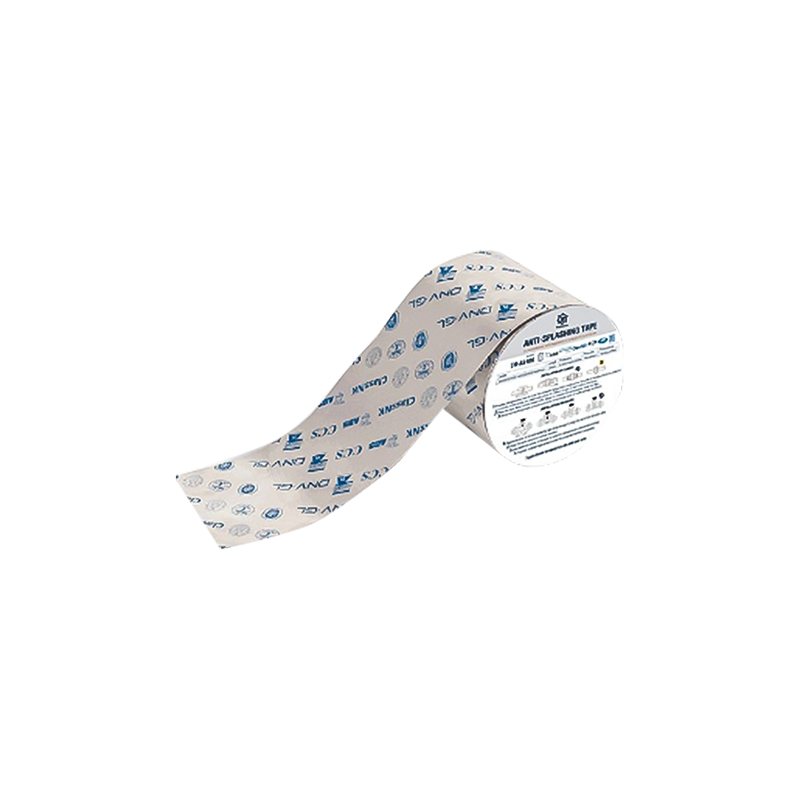
While bulk composite materials form the backbone of many structures, Functional Tapes play an equally vital role in assembly, protection, and performance enhancement. These specialized tapes are engineered with adhesives and backings that offer specific functionalities, such as high-temperature resistance, electrical insulation, or acoustic damping. In the automotive industry, functional tapes are used to bond lightweight composite panels, reducing the need for heavy mechanical fasteners and improving aerodynamic smoothness. They also serve as critical barriers against moisture and dust, protecting sensitive electronic components within vehicle systems. The precision and reliability of these tapes ensure that assemblies remain intact under vibration, thermal cycling, and mechanical stress, contributing to the overall durability and safety of the final product.
In industrial settings, functional tapes are indispensable for maintenance and repair operations. High-performance tapes can withstand extreme temperatures and chemical exposures, making them ideal for sealing pipes, insulating wires, and protecting surfaces during manufacturing processes. They offer a quick and effective solution for temporary repairs or permanent installations, reducing downtime and maintenance costs. Moreover, the development of smart tapes with integrated sensors allows for continuous monitoring of structural integrity, providing early warnings of potential failures. This proactive approach to maintenance enhances operational efficiency and safety, particularly in hazardous environments where regular inspections are challenging. The versatility and reliability of functional tapes make them an essential component in the toolkit of modern engineers and technicians.
| Tape Type | Primary Function | Typical Application |
| Conductive Tape | EMI Shielding | Electronic Enclosures |
| Thermal Tape | Heat Dissipation | CPU/GPU Mounting |
| Acoustic Tape | Noise Reduction | Automotive Interiors |
| Chemical Resistant Tape | Protection | Industrial Piping |
One of the most significant advantages of working with advanced material providers is the ability to customize solutions to meet specific customer needs. Every application has unique requirements regarding temperature range, chemical exposure, mechanical load, and environmental conditions. By collaborating closely with clients, manufacturers can tailor the composition of functional composite materials and the formulation of functional tapes to achieve optimal performance. This customization process involves selecting the right combination of fibers, resins, fillers, and adhesives to create a material system that addresses the specific challenges of the application. Whether it is developing a lightweight composite for aerospace components or a high-temperature tape for industrial ovens, the ability to customize ensures that customers receive solutions that are perfectly suited to their needs.
Furthermore, the integration of sustainable practices in the development of these materials is becoming increasingly important. Customers are seeking eco-friendly options that reduce environmental impact without compromising performance. Manufacturers are responding by developing bio-based resins, recyclable fibers, and low-VOC adhesives for functional tapes. These sustainable alternatives not only meet regulatory requirements but also align with corporate social responsibility goals. By offering a variety of functional composite materials and functional tapes that are both high-performing and environmentally responsible, providers can help customers achieve their technical objectives while contributing to a more sustainable future. This holistic approach to material selection and customization ensures long-term success and satisfaction for clients across marine, electronic, and industrial fields.
Your email address will not be published. Required fields are marked *
 Self Adhesive Label Material Manufacturers