
 English
 русский
 Español
 عربى
عربى
Product Consultation
Your email address will not be published. Required fields are marked *

Coming From China, Marketing To The World.
Content
Switching to or optimizing your use of thermal paper rolls isn't just about buying a supply; it's a strategic decision that directly impacts operational efficiency and cost. The core advantage is immediate: a direct thermal printer requires no ink, toner, or ribbon. This single feature eliminates the recurring costs and downtime associated with replacing consumables, translating to a significantly lower total cost of ownership. For a mid-sized retail chain processing thousands of transactions daily, this can mean annual savings of thousands of dollars. The technology works through a chemical reaction—heat from the print head activates a coating on the paper, producing a sharp, high-contrast image in milliseconds.
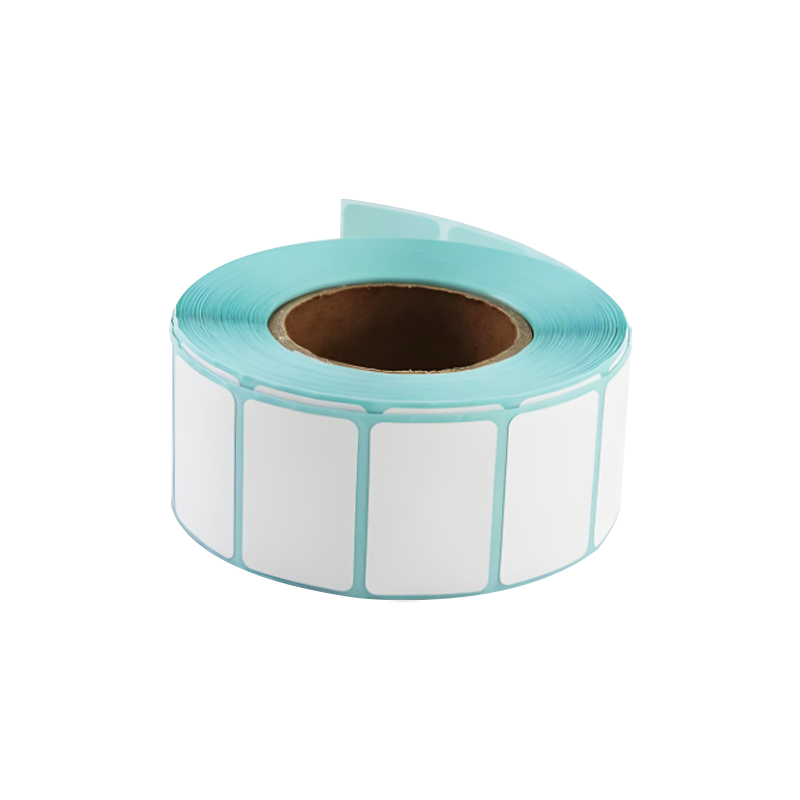
The market dominance of thermal paper rolls across retail, logistics, and healthcare stems from a combination of speed, clarity, and economic viability. But modern thermal paper is far more sophisticated than its early predecessors, engineered to meet specific environmental and performance demands.
Modern thermal printers achieve print speeds of up to 300 mm per second, a critical requirement in high-traffic environments like supermarkets during peak hours. This speed is matched with a resolution often reaching 203 or 300 DPI (dots per inch), ensuring barcodes are sharp, scannable, and compliant with GS1 standards. A logistics hub processing 50,000 parcels a night relies on this pairing to prevent scanning errors that cause misrouting and costly delays.
Standard thermal receipts are sensitive to heat, light, and chemical exposure, but advanced formulations offer robust protection. Top-coated thermal labels exhibit resistance to water, oils, plasticizers, and even isopropyl alcohol. This makes them suitable for labeling fresh produce in refrigerated display cases or tracking laboratory samples that may come into contact with various reagents. The image integrity remains stable, ensuring traceability data is preserved from the point of origin to the final destination, with temperature tolerances often ranging from -20°C to 70°C in specialty products.
A direct comparison clarifies why thermal technology is the default choice for variable data printing. The following table breaks down the key differentiators between direct thermal and traditional thermal transfer or ink-based printing methods, focusing on cost and application suitability.
| Feature | Direct Thermal Rolls | Thermal Transfer | Inkjet/Laser |
|---|---|---|---|
| Consumables | Paper Only | Ribbon + Paper | Ink/Toner Cartridge |
| Maintenance | Low (Print Head Only) | Medium (Head & Ribbon) | High (Complex Mechanism) |
| Best-Use Case | Short-term Labels & Receipts | Permanent, Archival Labels | High-Volume Color Documents |
Not all thermal paper rolls perform identically. The quality of the substrate and the sensitivity of the coating directly influence print longevity and printer lifespan. A common issue is paper dust accumulation, which can degrade print head performance and lead to premature failure.
The thickness of the paper, measured in grams per square meter (gsm), is a key durability indicator. Standard receipt rolls typically use 48gsm to 55gsm paper, balancing cost and functionality. For high-durability applications like parking tickets or luggage tags, a heavier stock of 70gsm to 90gsm is recommended. Using paper with the correct stiffness prevents jams in high-speed printers, a crucial factor when processing queues of customers.
While economical, untreated direct thermal images have a finite lifespan. Under ideal, dark storage conditions at room temperature, an image can remain legible for 5 to 7 years. However, exposure to direct sunlight, heat, or contact with plasticizers found in vinyl sleeves can cause the image to fade in a matter of days or weeks. For applications requiring decades of archival life, thermal transfer is necessary, but for quick data capture in workflows where the label lifecycle is measured in months, direct thermal remains the most cost-effective solution by a significant margin.
The environmental profile of thermal paper has evolved significantly. The industry's historical use of Bisphenol A (BPA) in the color developer has largely been phased out in favor of phenol-free alternatives. When sourcing, look for rolls certified as BPA-free or totally phenol-free to protect both consumers and handlers. Major manufacturers now offer products with a high percentage of recycled content and chain-of-custody certification from organizations like the Forest Stewardship Council (FSC). These certifications ensure the paper fiber originates from responsibly managed forests, aligning your operational supplies with corporate sustainability goals.
Maximizing your investment requires careful selection and proper storage. Buying in bulk reduces cost per roll but demands a plan to maintain material integrity. An incorrectly specified core size, for example, renders an entire shipment unusable.
Synthetic Paper Labels for Frozen Food: Flexo & UV Inkjet Printing
PI Thermosetting Film: Key to Battery Safety & Performance
Your email address will not be published. Required fields are marked *
 Self Adhesive Label Material Manufacturers